If you have curly hair, you’ve likely heard the terms ‘protein’ and ‘moisture’ tossed around in hair care discussions. They’re often presented as opposing forces, leaving you to wonder if your curls need one or the other. The truth is more nuanced and more important: healthy, resilient curls thrive on a careful balance of both. Understanding this dynamic is the key to transforming your hair from frizzy and fragile to defined and bouncy.
Think of your hair’s structure like a building. Protein provides the internal framework—the bricks and beams that give it strength and shape. Moisture is the flexible, pliable element—the mortar that allows for movement without crumbling. Too much protein without enough moisture leads to a rigid, brittle structure that snaps. Too much moisture without enough protein creates a weak, overly soft structure that lacks definition and becomes mushy. Finding your personal equilibrium is the heart of curly hair care.
How to Tell What Your Curls Need
Before you start adjusting your routine, it’s essential to listen to what your hair is telling you. The signs of imbalance are often clear if you know what to look for.
Signs of too much protein (protein overload):
- Hair feels stiff, straw-like, or unusually dry.
- Loss of elasticity—strands stretch a little and then snap instead of bouncing back.
- Increased breakage and shedding.
- Curly patterns may look stringy or less defined.
Signs of too much moisture (moisture overload):
- Hair feels overly soft, limp, or gummy when wet.
- A lack of hold and definition; curls fall flat quickly.
- Frizz that feels soft and fluffy rather than dry and coarse.
- Hair takes forever to dry and can feel perpetually damp.
A simple test: Take a single strand of clean, dry hair and gently stretch it. Healthy hair with good balance will stretch about 20-30% of its length and then return to its original shape. If it stretches very little and snaps, it likely needs moisture. If it stretches a lot and doesn’t spring back, it likely needs protein.
Finding Protein and Moisture in Your Products
You don’t need a chemistry degree to decode product labels. Protein and moisture come from specific, recognizable ingredients.
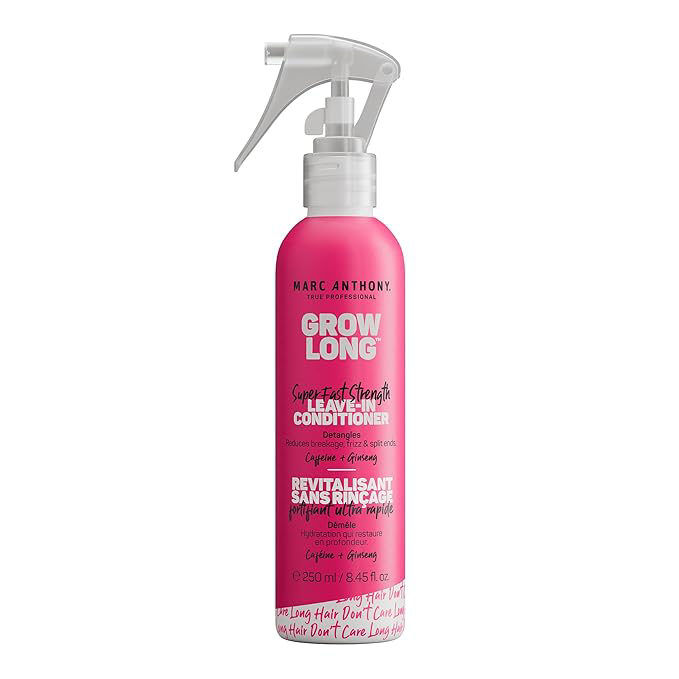
Common protein ingredients to look for include: hydrolyzed wheat protein, hydrolyzed silk, keratin, amino acids, quinoa, and oat protein. These are often found in deep conditioners, leave-in conditioners, and some stylers designed for strengthening.
Moisturizing ingredients typically include: water (aqua), glycerin, aloe vera juice, panthenol (pro-vitamin B5), honey, and various oils and butters like shea, coconut, or jojoba. These are the staples of creams, lotions, and most daily conditioners.
Most curly hair needs a consistent base of moisture with periodic, strategic protein treatments. The exact frequency depends on your hair’s porosity—its ability to absorb and retain moisture.
Building a Balanced Routine
Creating a routine that maintains balance is more about rhythm than rigid rules. It involves observing and adjusting.
Start with a moisturizing shampoo and conditioner as your weekly foundation. Every 4 to 6 weeks, or whenever you notice signs of moisture overload, incorporate a protein treatment. This could be a dedicated reconstructing mask or a conditioner with protein listed in the first five ingredients. Leave it on for the recommended time, then rinse thoroughly.
Your styling products should support your goal. On most days, use a leave-in conditioner and a styler focused on hydration. On weeks you use a protein treatment, you might follow with a lighter, protein-free styler to avoid overdoing it.
Remember, factors like climate, heat styling, and chemical processing can throw off your balance. Dry winter air may call for more moisture; summer humidity or frequent coloring might necessitate more frequent protein support. The goal isn’t perfection, but a responsive, informed approach that keeps your curls strong, supple, and beautifully defined.