If your weekdays are a blur of back-to-back calls, school runs, or errands, you already know the challenge of eating well when a microwave isn't nearby. Meal prepping high-protein snacks that don't need reheating can feel like a puzzle, but it's one you can solve with a little planning and the right ingredients. The goal is simple: snacks that hold up in a lunch bag, taste good at room temperature, and actually keep you full.
Below, you'll find a straightforward approach to building a stash of no-reheat, high-protein snacks. No fancy appliances required—just a fridge, a few containers, and ingredients you can find at any grocery store.
Why skip the microwave?
Relying on a microwave often means eating something that was frozen or refrigerated and then blasted back to edible. For many, that's fine. But if you're packing snacks for the gym, a long hike, a child's lunchbox, or a desk that's miles from the break room, you need foods that are meant to be eaten cold or at room temperature. High-protein options that travel well also tend to be less processed than their heat-and-eat counterparts, giving you more control over what's in your food.
Building blocks: protein sources that don't need heat
Before you start prepping, stock up on these no-cook protein sources:
- Greek yogurt and cottage cheese – Both are excellent straight from the fridge. Greek yogurt can be thinned with a splash of milk or water if you prefer a looser texture.
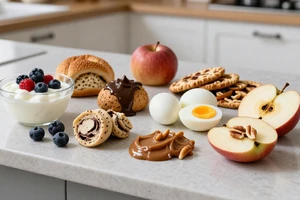
- Hard-boiled eggs – Boil a batch at the start of the week. They keep for up to seven days in the shell and are portable as is.
- Deli meats and rotisserie chicken – Pre-cooked and ready to roll. Slice or shred for easy grab-and-go.
- Canned fish (tuna, salmon, sardines) – Pack in water or olive oil. A single pouch or tin is a complete protein with no prep.
- Cheese sticks or cubes – Choose part-skim mozzarella, cheddar, or a hard cheese like Parmesan for longer shelf life.
- Nuts, seeds, and nut butters – Almonds, walnuts, pumpkin seeds, and sunflower seed butter add protein and healthy fat.
- Edamame (shelled, frozen) – Thaw overnight in the fridge or simply let them come to room temp. No cooking needed.
- Legume-based pastas or quinoa (pre-cooked) – Cook a big batch on Sunday, then use cold in salads or snack cups.
Three snack formulas that never need a microwave
Think of these as templates. Mix and match the protein sources above with whatever vegetables, fruits, or crunch ingredients you have on hand.
1. The jar salad (protein-forward)
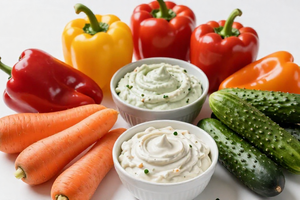
Layer in a wide-mouth mason jar: dressing or yogurt at the bottom, then hearty vegetables (cucumber, bell pepper, shredded carrot), followed by a protein (chicken, tuna, or chickpeas), and finally greens on top. When you're ready to eat, shake or dump into a bowl. No microwave, no soggy lettuce.
2. Snack boxes (bento style)
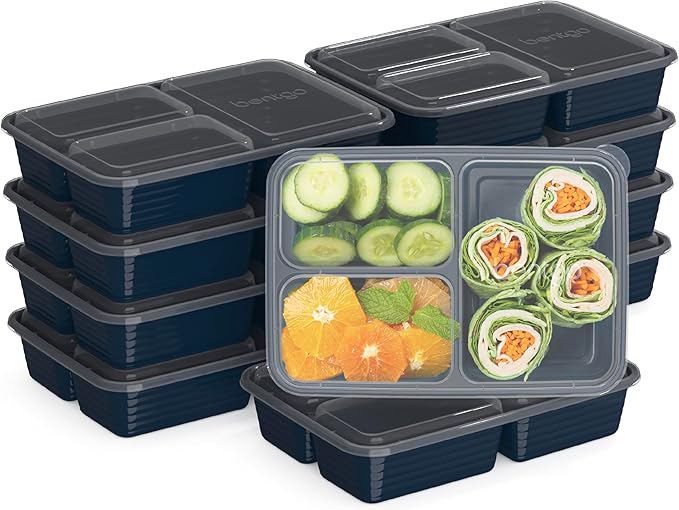
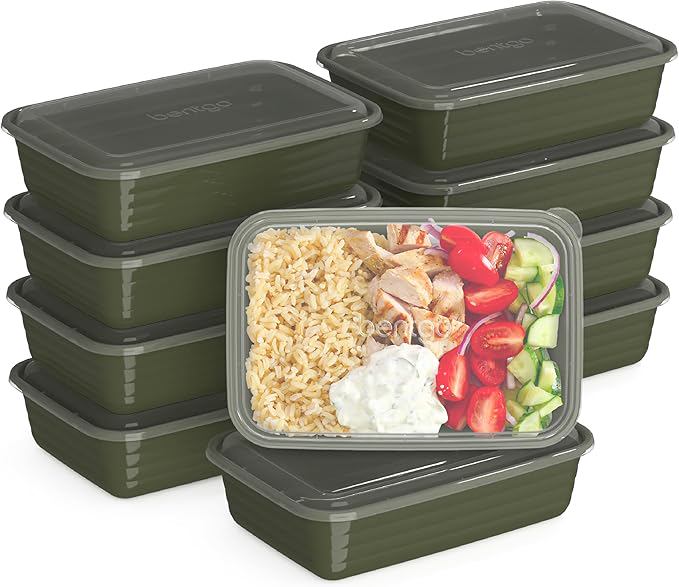
Use a divided container to keep textures separate. Fill one section with hard-boiled eggs or cheese cubes, another with cherry tomatoes or snap peas, and a third with almonds or edamame. Add a dollop of hummus or a nut butter dip in the center. Everything stays fresh and crunchy.
3. Roll-ups and pinwheels
Spread cream cheese, hummus, or mashed avocado on a large lettuce leaf or a thin rice paper wrapper (soaked until pliable). Add a layer of sliced turkey or smoked salmon, then a few cucumber matchsticks. Roll tightly and slice into bite-sized pieces. These keep well in the fridge for two to three days and taste great cold.
Tips for keeping snacks fresh without refrigeration
Not every snack will sit in a fridge all morning. If you're packing for a day out, consider these storage tricks:
- Use an insulated lunch bag with a small ice pack. Even a frozen water bottle helps keep yogurt and cheese safe for hours.
- Pack wet ingredients (dressings, sauces, wet fruit) separately from dry ingredients. A small silicone cup or a mini leakproof container works perfectly.
- Choose whole, unprocessed forms of protein when possible. A whole hard-boiled egg or a chunk of cheese lasts longer than something shredded or pre-mixed.
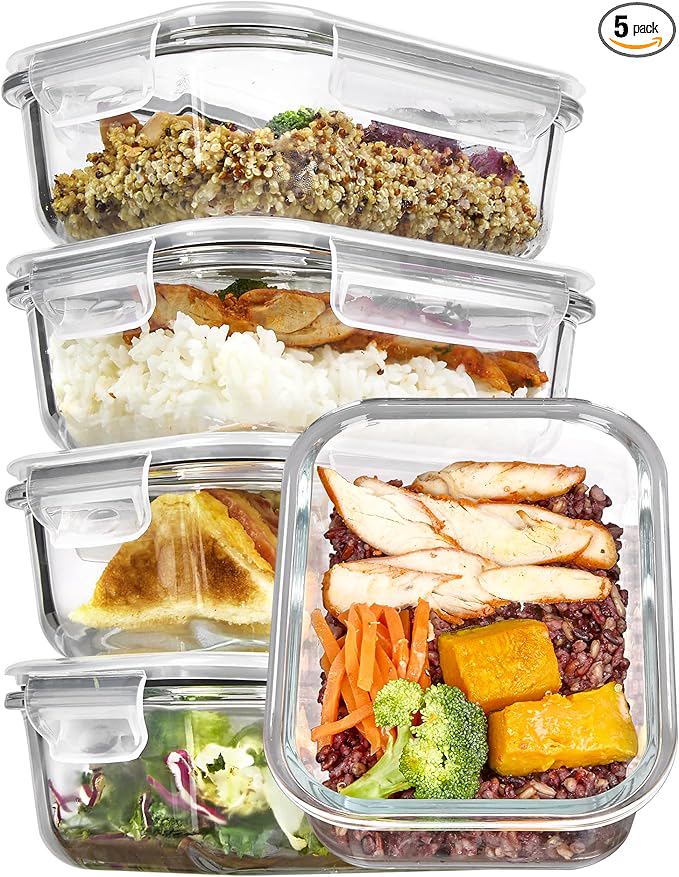
- If you're making snack boxes for the week, store them in the back of the fridge (coldest spot) and grab one each morning.
A quick caveat: Any snack that contains dairy, eggs, or cooked meat should be kept below 40°F (4°C) for more than two hours. When in doubt, use a cooler bag or plan to eat it within that window.
A sample weekly prep to get you started
Here's a no-cook, no-reheat prep you can do on a Sunday in under an hour:
- Boil 8 eggs and peel them after they cool.
- Portion Greek yogurt into five small containers (about ¾ cup each). Add a sprinkle of chia seeds or a spoonful of almond butter on top.
- Divide rotisserie chicken meat into five baggies (about 3–4 ounces each).
- Wash and cut cucumber, bell pepper, and celery sticks. Store in a jar of water to keep them crisp.
- Make a batch of chia pudding: mix 3 tablespoons chia seeds with 1 cup milk of choice and a dash of vanilla. Refrigerate overnight. In the morning, top with berries.
With that, you have a week's worth of high-protein snacks that are ready to grab and go. No microwave, no fuss, just real food that actually works for your schedule.