Keeping your skin healthy and resilient starts with a strong skin barrier. Think of it as your skin's first line of defense—it locks in moisture and keeps irritants, pollution, and bacteria out. When that barrier is compromised, you might notice dryness, redness, stinging, or breakouts. Repairing it isn't about complicated routines; it's about choosing the right ingredients. Here’s a straightforward look at what truly supports barrier health.
Why a Healthy Barrier Matters
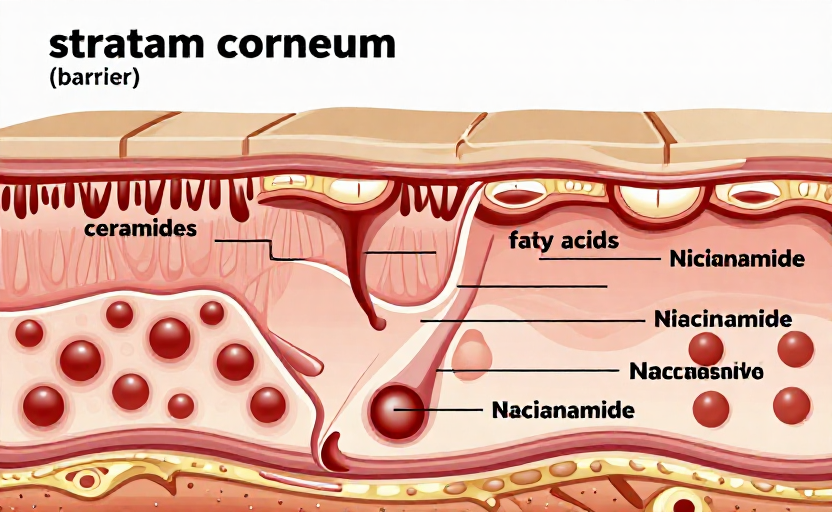
Your skin barrier, also known as the stratum corneum, is made of skin cells held together by lipids (fats). This structure works best when its pH hovers around 5.5—slightly acidic. When you use harsh products (like alkaline baking soda or aggressive scrubs), you disrupt that pH balance. The result? Moisture escapes, and irritants get in. Over time, this leads to inflammation, sensitivity, and even worsened acne. The goal of barrier repair is to restore that protective layer and bring your skin back to a calm, balanced state.
Ingredients That Actually Help Repair the Barrier
Not all skincare ingredients are created equal. Some actively support repair, while others strip the barrier further. Here are the key categories dermatologists recommend focusing on.
Ceramides: The Building Blocks
Ceramides are lipids naturally found in the skin barrier. They make up about 50% of the barrier's composition. When levels drop—due to aging, harsh weather, or over-cleansing—the barrier weakens. Applying ceramides topically helps replenish these lipids, improving moisture retention and reducing sensitivity. Look for ceramide NP, EOP, or AP on ingredient lists.
Fatty Acids: The Glue
Free fatty acids (like linoleic acid and oleic acid) work alongside ceramides to strengthen the barrier. They're found naturally in oils like sunflower, safflower, and jojoba. These ingredients help seal the gaps between skin cells, keeping everything tight and protected. People with acne-prone skin often have lower levels of linoleic acid, so this can be especially helpful for them.
Niacinamide: The Multitasker
Also known as vitamin B3, niacinamide is a powerhouse for barrier repair. It boosts the production of ceramides and fatty acids, calms inflammation, and helps regulate oil production. Unlike some active ingredients, it's generally well-tolerated even by sensitive skin types. A concentration of 2% to 5% is typically effective without causing irritation.
Panthenol (Pro-Vitamin B5): The Soother
Panthenol is a humectant that draws water into the skin and helps it stay there. It also has anti-inflammatory properties, making it excellent for calming redness, stinging, or post-procedure irritation. You'll often find it in moisturizers and barrier-repair creams targeted at sensitive or compromised skin.
Shea Butter and Oat: The Protective Emollients
Shea butter is rich in fatty acids and vitamins that soften and protect the skin. Colloidal oatmeal, on the other hand, is a gentle anti-inflammatory that forms a protective film. Both are solid choices for soothing a stressed barrier, especially in dry or cold weather.
A quick reality check: Avoid ingredients that strip the barrier. This includes harsh sulfates, high alcohol content (like SD alcohol or denatured alcohol), and strong physical exfoliants. Even some natural ingredients, such as pure lemon juice or baking soda, have a high pH that can disrupt the skin's delicate balance.
How to Layer for Best Results
Getting the most out of barrier-repair ingredients isn't just about what you use—it's about how you apply them. Here's a simple sequence for your routine:
- Start with a gentle, low-pH cleanser. Avoid foaming cleansers with sulfates. A milky or cream-based cleanser is often a better fit.
- Apply a hydrating toner or essence. Look for ingredients like glycerin, panthenol, or hyaluronic acid. This adds a layer of moisture before heavier products.
- Use your treatment products. If you use a niacinamide serum or a ceramide booster, this is the step. Let it absorb for a few seconds.
- Seal with a moisturizer. Choose one rich in ceramides, fatty acids, and shea butter. This locks everything in and provides a physical barrier against water loss.
- Consider a barrier repair balm at night. For very dry or irritated skin, a thicker balm (often petrolatum-free but rich in oils and waxes) can make a big difference overnight.
Common Mistakes That Slow Repair
Even with the right ingredients, some habits can sabotage your progress. Over-exfoliating is a common one. If you're using chemical exfoliants (AHAs or BHAs) daily, consider dialing it back to two or three times a week. Similarly, using too many active ingredients like retinol and vitamin C in the same routine can overload the skin. Give your barrier time to rebuild before layering on actives.
Another overlooked factor is environmental protection. Sun exposure weakens the barrier, so a broad-spectrum sunscreen (SPF 30 or higher) is non-negotiable, even on cloudy days. UV damage directly breaks down collagen and barrier lipids, so protection is an essential part of any repair plan.
When to Expect Results
Barrier repair is not overnight work. Most people see improvement within two to four weeks of consistent care. Full recovery can take up to three months, especially if the damage was caused by chronic over-exfoliation or medical treatments. Patience and simplicity are your best tools during this time.
If your skin feels tight, stings, or breaks out in small bumps, it's likely signaling that the barrier needs more support—not more active treatments. Pay attention to those signals, and stick with the ingredients designed to rebuild, not disrupt.