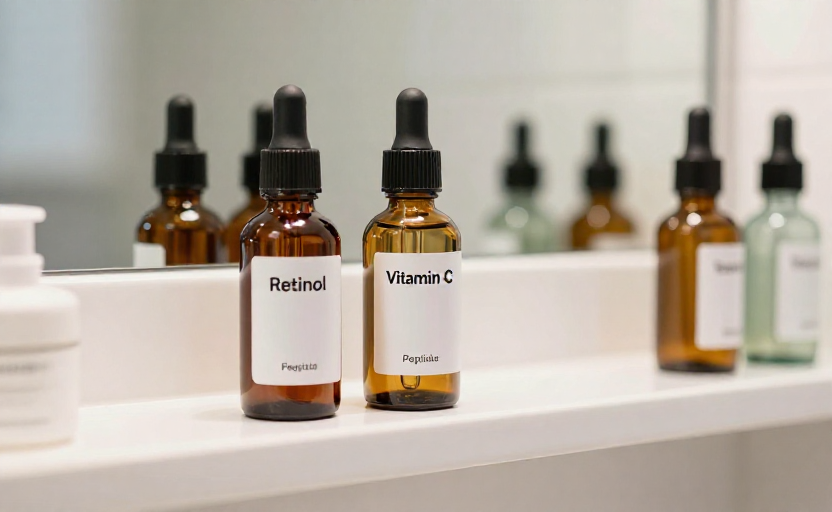
Navigating the world of anti-aging serums can feel like deciphering a complex scientific formula. With shelves and online stores filled with tiny bottles promising everything from erased wrinkles to renewed radiance, it’s easy to feel overwhelmed. The key to making an informed choice isn't about finding a single miracle potion, but understanding the active ingredients that do the work. This guide breaks down the most common and effective ingredients found in serums, explaining what they are, how they function, and what you can realistically expect from them.
Think of your serum as a concentrated delivery system. Its lightweight texture allows it to penetrate deeper into the skin than a moisturizer, carrying a high dose of specific actives to target your primary concerns. Whether you're focused on fine lines, dullness, dark spots, or loss of firmness, there's likely an ingredient—or a strategic combination—designed to help.
Retinoids: The Gold Standard for Cell Renewal
If there's one ingredient with decades of clinical research backing its anti-aging efficacy, it's retinoids. This family of vitamin A derivatives works by accelerating skin cell turnover. It helps shed dull, pigmented surface cells and stimulates the deeper layers to produce fresh, plump collagen. The result over time is smoother texture, diminished fine lines, and a more even skin tone.
You'll encounter retinoids in several forms, primarily differentiated by their strength and how they convert to retinoic acid in the skin.
- Retinol: This is the most common over-the-counter form. It's effective but requires conversion within the skin, making it gentler than prescription versions. It's an excellent starting point.
- Retinaldehyde (or Retinal): Often considered a step between retinol and prescription retinoids, it converts more efficiently and can offer visible results a bit faster.
- Prescription Retinoids (Tretinoin, Tazarotene): These are the strongest options, available by prescription. They are highly effective for acne and aging but come with a higher likelihood of irritation, like redness and peeling.
Start slow with retinoids. Apply a pea-sized amount every other night to clean, dry skin, followed by a moisturizer. Always use sunscreen during the day, as retinoids can increase sun sensitivity.
Vitamin C: The Antioxidant Powerhouse
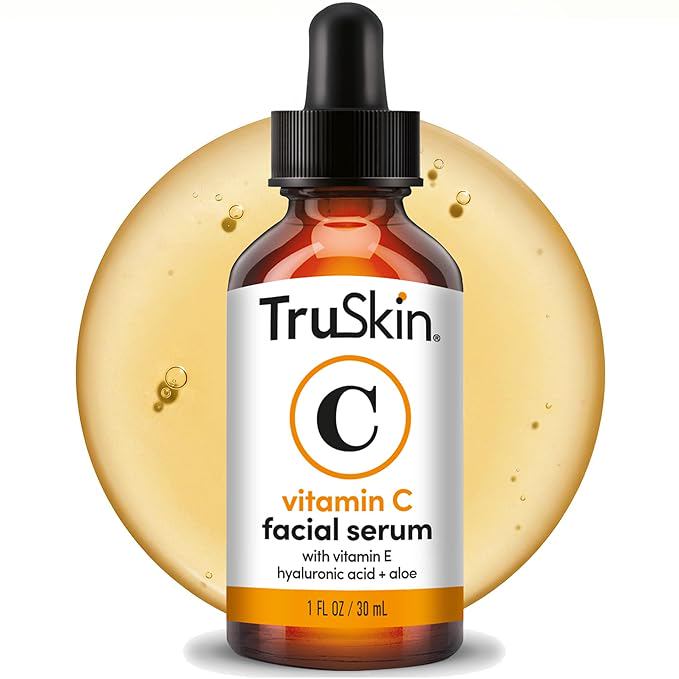
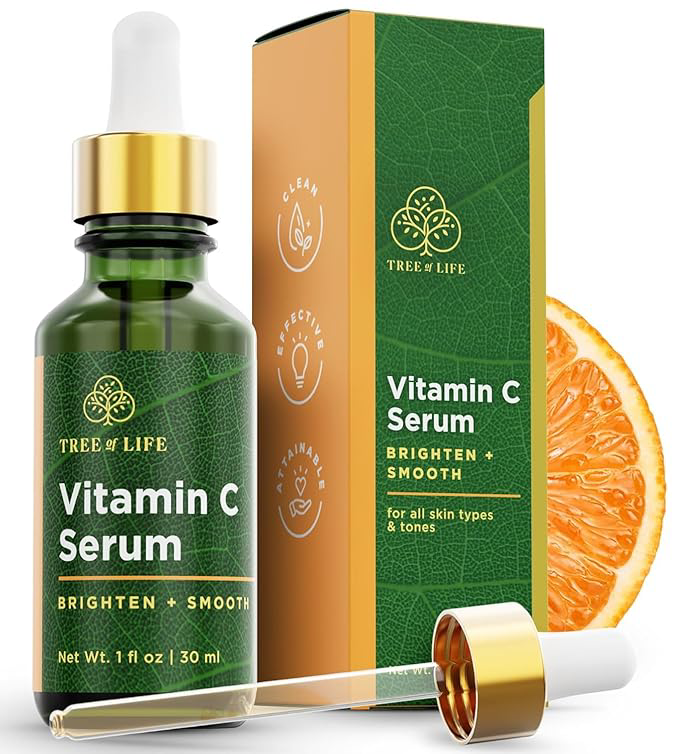
Vitamin C, or L-ascorbic acid in its most potent form, is a multitasking antioxidant. Its primary role is to neutralize free radicals—unstable molecules generated by UV exposure and pollution that break down collagen and cause premature aging. By donating an electron to stabilize these molecules, vitamin C helps prevent new damage.
Beyond its protective role, it's also essential for collagen synthesis and can help brighten the complexion by interrupting the process of melanin production. Look for it in stable, airtight packaging (often opaque or dark glass bottles with droppers), as it degrades quickly when exposed to light and air. Other stable derivatives like sodium ascorbyl phosphate or tetrahexyldecyl ascorbate are also effective and often gentler.
Peptides: The Building Blocks for Firmness
Peptides are short chains of amino acids, the fundamental components of proteins like collagen and elastin. In skincare, they act as messengers. When applied topically, certain peptides can signal to your skin that it's time to produce more of its own supportive proteins, helping to improve firmness and elasticity.
They are generally well-tolerated by most skin types, including sensitive skin, and pair beautifully with other actives like vitamin C or hyaluronic acid. While they don't exfoliate or brighten in the same dramatic way as retinoids or vitamin C, they provide crucial structural support, helping skin look plumper and firmer over time.
Hyaluronic Acid: The Ultimate Hydrator
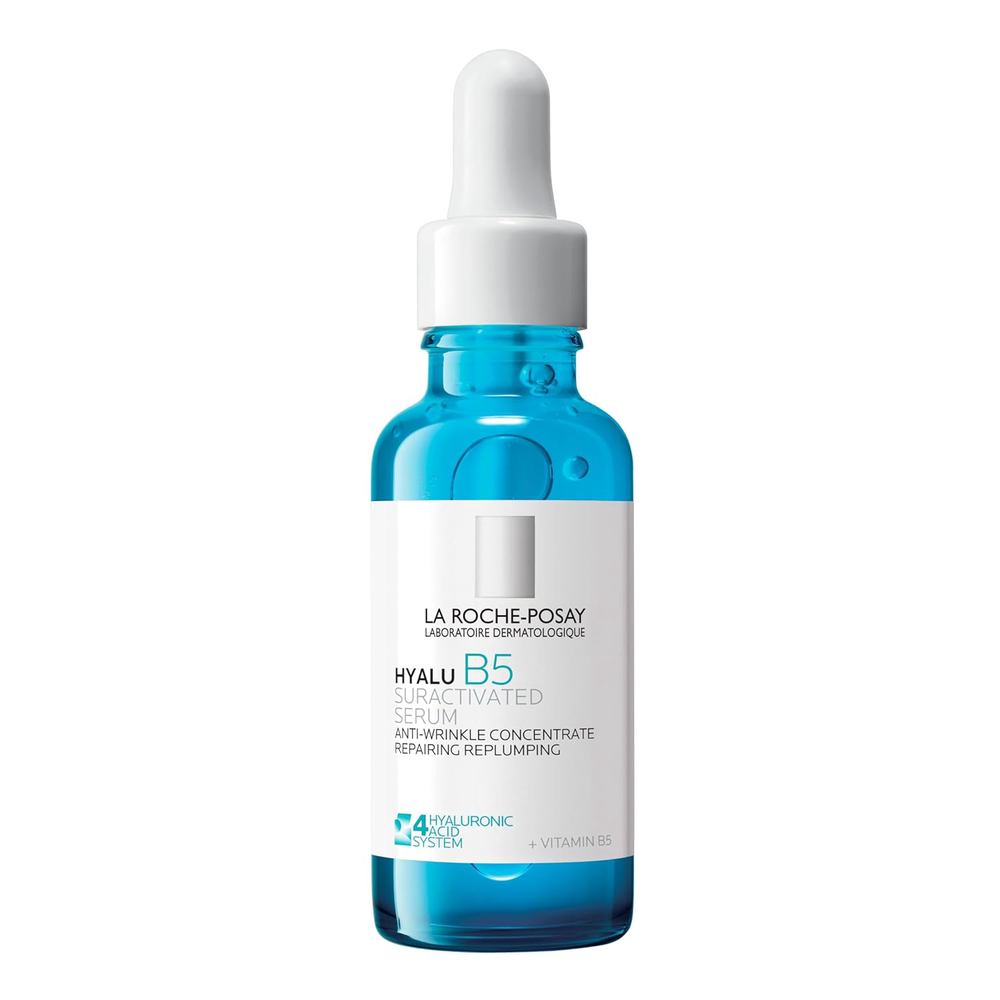
While not a traditional "anti-aging" active in the sense of changing cell behavior, hyaluronic acid is a non-negotiable for youthful-looking skin. It's a humectant—a substance that attracts and holds onto water. A single molecule can hold up to 1,000 times its weight in water, making it incredibly effective at hydrating the skin's surface.
Well-hydrated skin immediately looks smoother, plumper, and more radiant, which can make fine lines appear less noticeable. It's a fantastic ingredient for all skin types and works synergistically with almost any other serum ingredient by ensuring the skin barrier is healthy and hydrated, which can minimize potential irritation from actives like retinoids.
Niacinamide: The Soothing Multitasker
Niacinamide, a form of vitamin B3, has earned its place as a skincare staple for its remarkable versatility and gentleness. It helps strengthen the skin's barrier function, improves texture, reduces the appearance of pores, and calms redness. For aging concerns, it's particularly valued for its ability to minimize the look of dark spots and improve uneven skin tone. Its anti-inflammatory properties make it an excellent partner for stronger actives, helping to balance and soothe the skin.
Alpha Hydroxy Acids (AHAs): For Surface Renewal
AHAs like glycolic acid (from sugar cane) and lactic acid (from milk) are water-soluble chemical exfoliants. They work by loosening the "glue" that holds dead skin cells together on the surface. By gently dissolving this layer, they reveal the fresher, brighter skin underneath. Regular use can dramatically improve skin texture, reduce the look of fine lines and sun damage, and enhance overall radiance.
They are typically found in cleansers, toners, and serums. It's crucial to introduce them gradually—starting with a lower concentration and using them a few times a week—and to be diligent with sunscreen, as exfoliation makes new skin more vulnerable to sun damage.
Putting It All Together: Building a Routine
The most effective approach often involves layering ingredients that complement each other. A simple, powerful daytime routine could feature a vitamin C serum for antioxidant protection, followed by a moisturizer with hyaluronic acid and sunscreen. At night, you might alternate a retinol serum with a soothing serum containing peptides and niacinamide.
Remember, consistency is more important than complexity. Introduce one new ingredient at a time, give it several weeks to work, and listen to your skin. The best anti-aging serum is the one you'll use consistently and that addresses your specific skin goals.