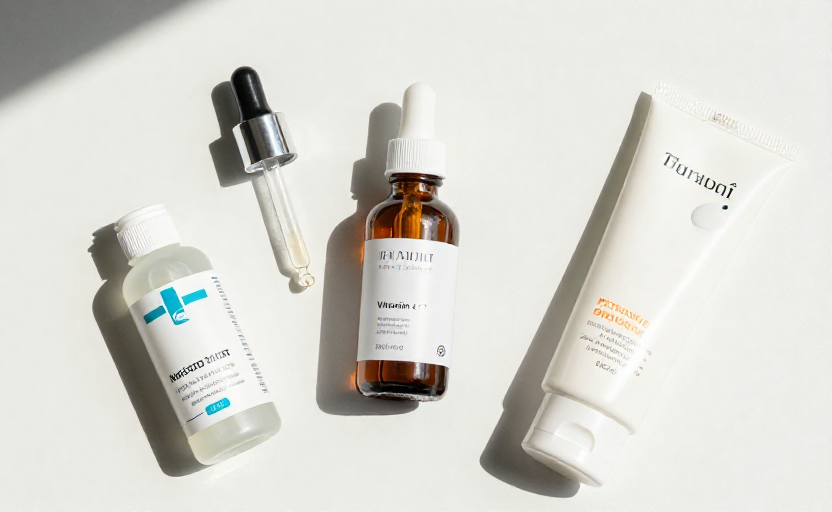
Hyperpigmentation — whether it shows up as sun spots, post-acne marks, or melasma — is one of the most common skin concerns people want to address. While there is no one-size-fits-all fix, certain ingredients have consistent evidence behind them. Knowing what they are, how they work, and how to combine them safely can make a real difference in your routine.
This guide breaks down the most effective categories: retinoids, vitamin C, and several other well-studied compounds. The goal is not to prescribe a specific regimen but to give you the working knowledge to evaluate products and talk to your dermatologist with confidence.
Retinoids: The Gold Standard for Cell Turnover
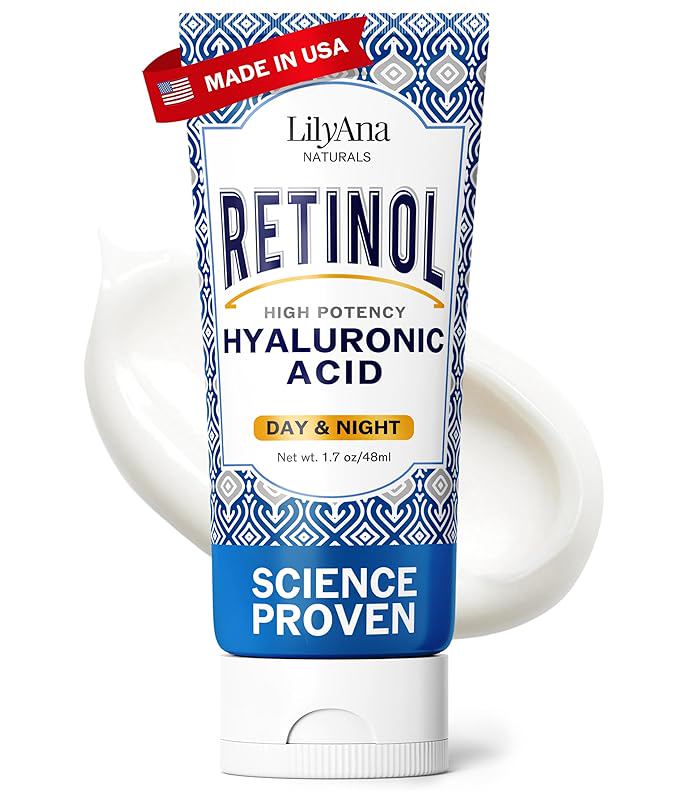
Retinoids are vitamin A derivatives, and they are widely considered the most effective topical ingredient for treating hyperpigmentation. They work by speeding up skin cell turnover — essentially telling your skin to shed old, pigmented cells faster and generate new ones. Over time, this can fade existing dark spots and prevent new ones from forming.
There are several types available, ranging in strength:
- Retinol: A milder over-the-counter option that converts to retinoic acid in the skin. It is a good starting point for beginners.
- Adapalene: An OTC retinoid originally developed for acne but also effective for pigmentation. It is generally better tolerated than prescription options.
- Tretinoin: A prescription-strength retinoic acid. It is the most potent but can cause significant irritation, especially at first.
Start low and go slow. Use a pea-sized amount on dry skin at night, two to three times a week, then gradually increase as your skin builds tolerance. Sunscreen is non-negotiable when using retinoids — they make skin more sensitive to UV damage.
Vitamin C: Brightening and Antioxidant Protection
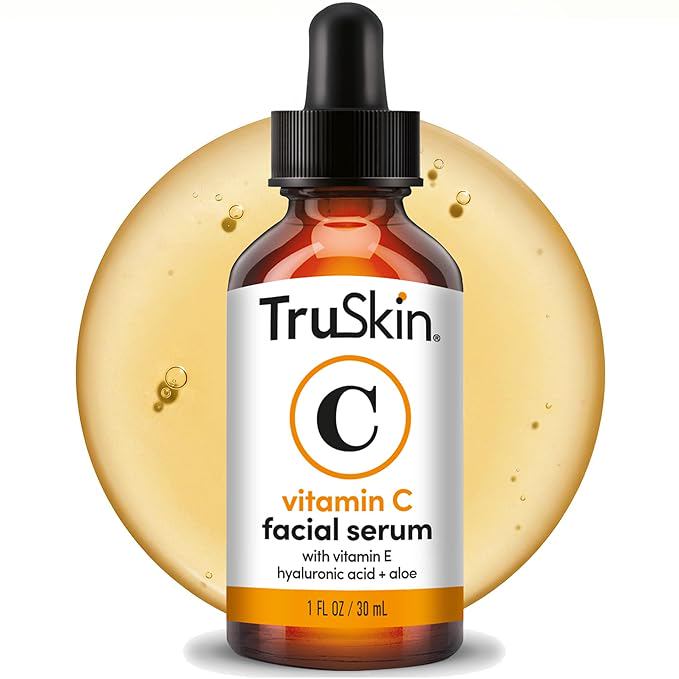
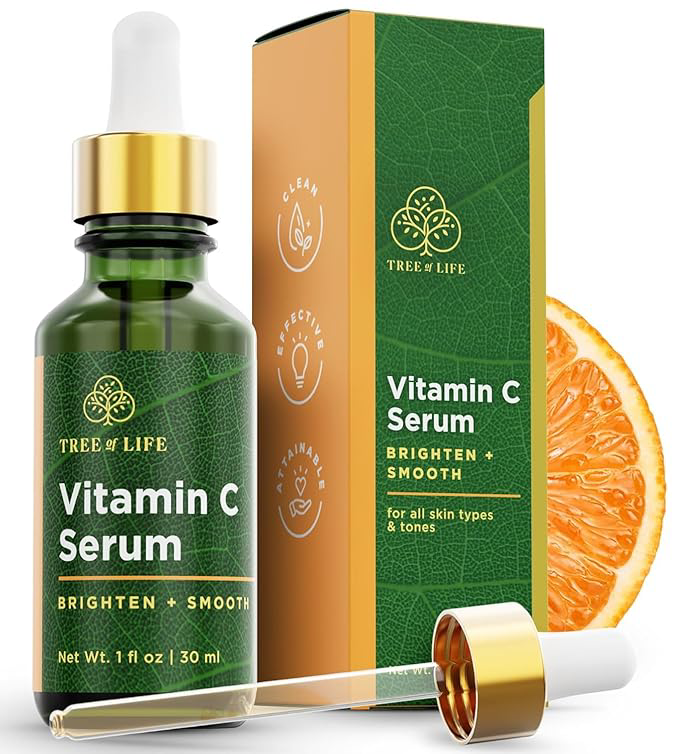
Vitamin C (most commonly L-ascorbic acid) is a powerhouse antioxidant that tackles hyperpigmentation in two key ways. First, it inhibits the enzyme tyrosinase, which is needed to produce melanin. Second, it neutralizes free radicals that can trigger more pigmentation in the first place.
Unlike retinoids, vitamin C is best used in the morning. It works well under sunscreen, and when combined with vitamin E and ferulic acid, its stability and effectiveness increase significantly.
Look for serums with a concentration between 10% and 20%. Lower concentrations are gentler but may take longer to show results. Higher than 20% does not necessarily mean better — it can just increase irritation without added benefit.
Niacinamide: The Gentle Multitasker
Niacinamide (vitamin B3) is a well-tolerated ingredient that helps reduce hyperpigmentation by blocking the transfer of melanin to skin cells. It does not exfoliate like retinoids or acids, so it is an excellent choice for sensitive skin or for layering with more aggressive active ingredients.
Studies suggest that a 4% to 5% concentration is effective for pigmentation, and it can be used both morning and night. Niacinamide also supports the skin barrier, which can help offset irritation from other treatments.
Azelaic Acid: A Targeted Option for Acne and Melasma
Azelaic acid is a naturally occurring compound that works on hyperpigmentation by inhibiting tyrosinase and by reducing inflammation. It is particularly useful for people who deal with both acne and post-inflammatory hyperpigmentation (the dark marks left after a pimple heals).
It is available over the counter in lower concentrations (around 10%) and by prescription at 15% to 20%. Azelaic acid is generally well-tolerated and can be used alongside other active ingredients like retinoids or vitamin C.
Kojic Acid and Tranexamic Acid
Two other ingredients worth noting are kojic acid and tranexamic acid.
- Kojic acid is derived from fungi and works similarly to vitamin C — it inhibits tyrosinase. It is often used in serums and creams, typically at concentrations of 1% to 4%.
- Tranexamic acid is a newer player for pigmentation, especially melasma. It works by interfering with the interaction between skin cells and melanocytes. It is available in topical forms and, in some cases, oral formulations prescribed by a dermatologist.
Both can be effective, but they are often used in combination with other ingredients rather than as standalone treatments.
How to Combine These Ingredients Safely
More is not always better when it comes to active ingredients. Here is a simple framework for building an effective routine:
- Morning: Cleanse, vitamin C serum, moisturizer, sunscreen (SPF 30 or higher, broad-spectrum).
- Evening: Cleanse, retinoid (if using), moisturizer. Introduce retinoids slowly — start with two nights per week.
- Off nights from retinoids: Use a niacinamide serum or azelaic acid instead.
Avoid using strong acids (like glycolic acid) and retinoids in the same session unless your dermatologist has guided you. Layering too many actives at once can compromise the skin barrier, leading to redness, peeling, and worse pigmentation.
Treating hyperpigmentation takes time — usually weeks to months before you see noticeable lightening. Consistency and sun protection are the two most important factors. No ingredient can outpace daily UV exposure if you are not wearing sunscreen.
If over-the-counter options do not produce results after a few months, a dermatologist can assess whether prescription-strength treatments or in-office procedures (like chemical peels or laser therapy) are appropriate for your skin type and pigmentation pattern.