Starting a gluten-free lifestyle can feel like a puzzle, especially at breakfast. The morning rush often leads us to grab the nearest, easiest option, which might not fit a gluten-free diet. But with a little planning, your first meal of the day can be stress-free, delicious, and nourishing. This guide is designed to help you build a simple, sustainable gluten-free breakfast routine through meal prep, one step at a time.
Think of meal prep not as a daunting weekend project, but as a series of small, smart choices that add up. It’s about preparing components ahead of time so that a satisfying breakfast is always within reach, even on your busiest mornings. Let’s walk through the essentials, from understanding your pantry to assembling easy, go-to meals.
Laying Your Gluten-Free Foundation
Before you start chopping and mixing, it helps to know what you’re working with. A gluten-free diet avoids wheat, barley, rye, and their derivatives. This means saying goodbye to conventional bread, cereals, and pastries unless they are specifically labeled gluten-free.
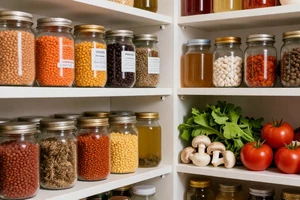
The good news? Nature provides a wonderful array of naturally gluten-free whole foods that are perfect for breakfast. Your new pantry staples will include:
- Whole Grains & Seeds: Oats (certified gluten-free), quinoa, buckwheat, chia seeds, flax seeds, and millet.
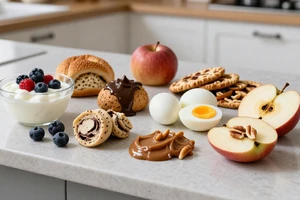
- Proteins: Eggs, plain yogurt, cottage cheese, nuts, nut butters, and seeds.
- Produce: All fresh fruits and vegetables are naturally gluten-free.
- Dairy & Alternatives: Milk, cheese, and unsweetened almond, oat, or coconut milk (check labels for additives).
Always look for a "certified gluten-free" label on oats and processed foods, as cross-contamination during farming and processing is common.
Your First Week of Simple Meal Prep
You don’t need to prepare seven full meals on Sunday. Start by choosing one or two of these approaches to build your confidence.
Batch-Cook Your Grains
Cook a big batch of a gluten-free grain like quinoa or certified gluten-free oats at the start of the week. Store it in an airtight container in the fridge. In the morning, you can quickly reheat a portion with milk or water for a warm porridge, or use chilled quinoa as a base for a breakfast bowl with fruit and nuts.
Prep Your Produce
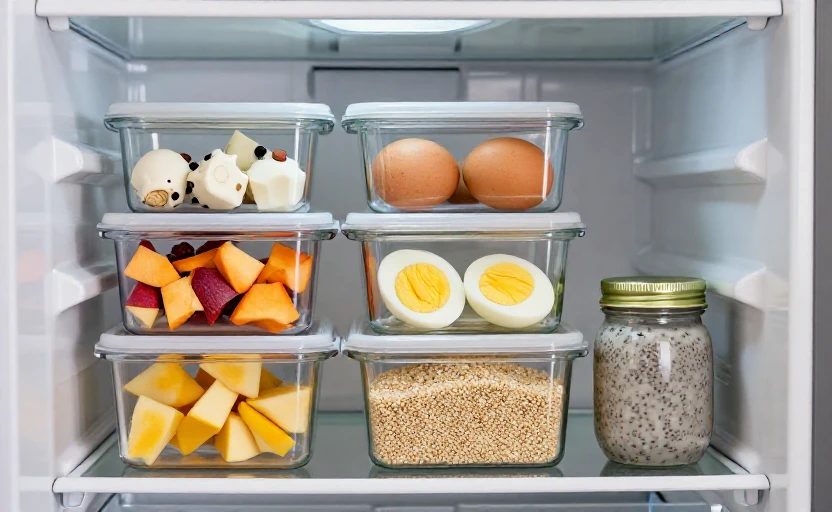
Wash and chop fruits like berries, melon, or pineapple. Store them in clear containers so they’re ready to grab. Hard-boil half a dozen eggs for an instant source of protein. These ready-to-eat items eliminate the "I don’t have time" excuse.
Mix Dry Ingredients for Smoothies or Oatmeal
For smoothies, pre-portion freezer bags with frozen banana chunks, berries, and a handful of spinach. In the morning, just dump the bag into the blender with your liquid and protein. For oatmeal, mix single servings of gluten-free oats, chia seeds, cinnamon, and a pinch of salt in jars. Just add hot water or milk and let it sit.
Five No-Fuss Gluten-Free Breakfast Ideas
Here are a few reliable combinations to rotate through your week. Each can be partially or fully prepped ahead.
1. The Hearty Bowl: Start with your pre-cooked quinoa or gluten-free oats. Top with Greek yogurt, a drizzle of nut butter, fresh berries, and a sprinkle of seeds. The contrast of warm grain, cool yogurt, and crunchy seeds is deeply satisfying.
2. The Make-Ahead Smoothie Pack: As mentioned, your pre-portioned freezer smoothie packs are a lifesaver. Add a scoop of protein powder, a tablespoon of flaxseed, or a spoonful of almond butter when you blend to keep you full until lunch.
3. Egg Muffin Cups: Whisk together a dozen eggs with chopped vegetables like spinach, bell peppers, and onions. Pour into a greased muffin tin and bake at 350°F (175°C) for 20-25 minutes. Store these in the fridge for a grab-and-go protein bite.
4. Chia Pudding: The ultimate overnight prep. Mix 3 tablespoons of chia seeds with 1 cup of milk (dairy or alternative) and a touch of vanilla or maple syrup. Stir well, let it sit for 5 minutes, stir again to break up clumps, then cover and refrigerate overnight. Top with fruit in the morning.
5. The Simple Plate: Sometimes, assembly is enough. Plate two hard-boiled eggs, a handful of cherry tomatoes, a slice of avocado, and a few gluten-free crackers or rice cakes. It’s balanced, fresh, and requires zero cooking in the moment.
Smart Storage for Freshness and Convenience
Your prep work is only as good as your storage. Use clear glass or BPA-free containers so you can see what you have. Invest in a few good mason jars for chia pudding, oatmeal mixes, and smoothie packs. Label containers with the date, and generally, aim to eat prepped items within 3-4 days for best quality and food safety.
Starting a gluten-free breakfast routine is a journey of small discoveries. Be patient with yourself, celebrate the mornings that go smoothly, and don’t stress over the occasional scrambled egg for dinner because breakfast was that good. With these foundational steps, you’re not just preparing food—you’re preparing for a calmer, more energized start to your day.