
Finding a moisturizer that hydrates without leaving oily skin feeling greasy or clogged can feel like a guessing game. Many assume that oily skin doesn't need extra moisture, but the opposite is often true. When your skin is dehydrated, it can actually produce more oil to compensate, leading to a frustrating cycle of shine and breakouts. The goal isn't to strip the skin, but to find a hydrating moisturizer that supports a healthy barrier without contributing to congestion.
Here is a straightforward guide to help you select a product that balances hydration and oil control, so your skin feels comfortable, calm, and looks healthy—not slick or dry.
Look for a Gel or Water-Based Formula
Texture matters immensely when you have oily skin. Rich creams and thick balms are often too heavy and can sit on top of the skin, trapping excess sebum. Instead, reach for gel, gel-cream, or water-based moisturizers. These lightweight formulations are designed to deliver hydration without a heavy, occlusive feel. They absorb quickly, leave a matte or satin finish, and are far less likely to clog pores.
Key Ingredients to Seek Out
The best hydrating moisturizer for oily skin includes ingredients that hydrate and soothe without adding oil. Look for these workhorses on the label:
- Hyaluronic Acid: A humectant that pulls moisture from the air into the skin. It provides deep hydration without any greasiness and works for all skin types.
- Glycerin: Another excellent humectant that is gentle and effective. It helps keep the skin's barrier strong and hydrated.
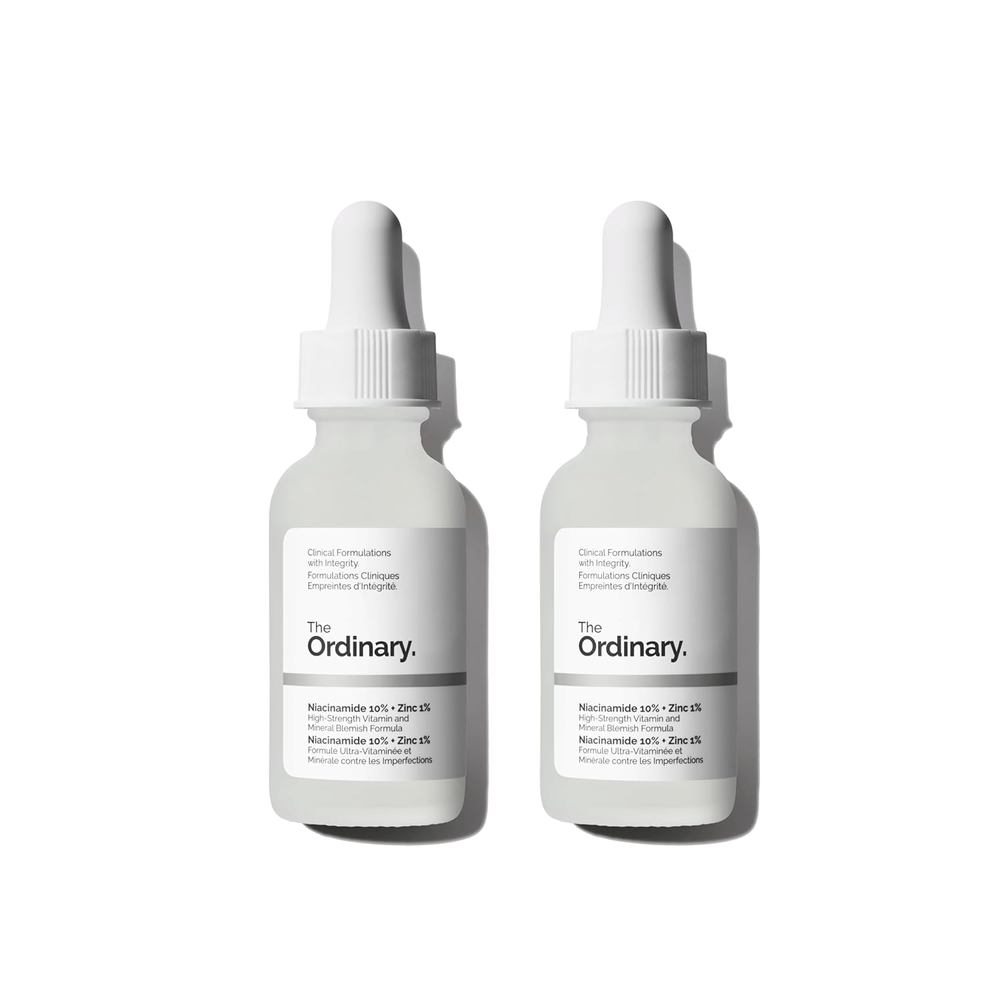
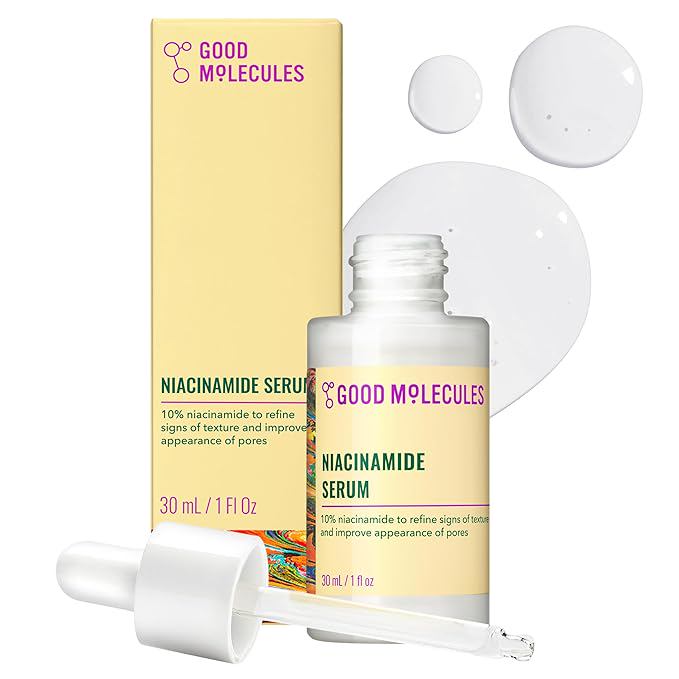
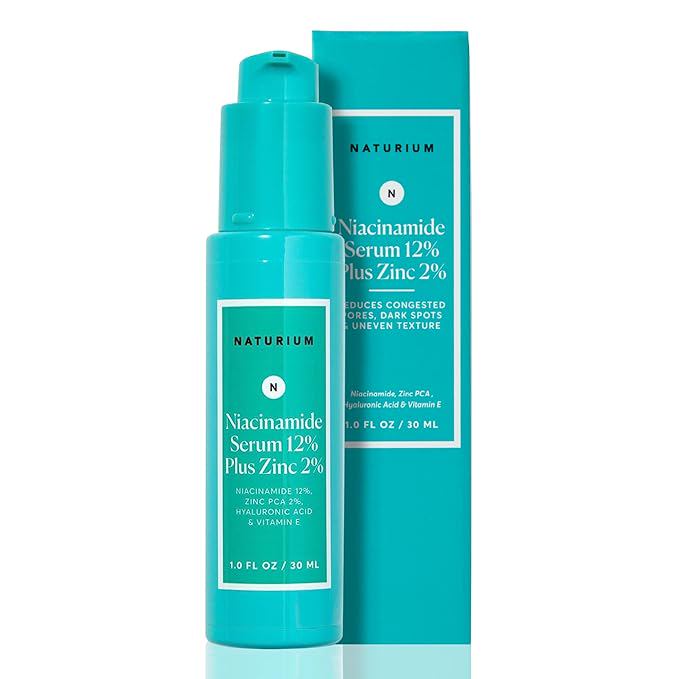
- Niacinamide (Vitamin B3): A multi-tasking ingredient. It helps regulate oil production, soothes inflammation, and strengthens the skin barrier.
- Ceramides: These lipid molecules are essential for a healthy skin barrier. While oily skin can still benefit from barrier support, look for a formula where ceramides are balanced with hydrating, non-comedogenic ingredients.
- Squalane: A lightweight, non-comedogenic oil that mimics the skin's natural sebum. It hydrates without feeling heavy and can help balance oil production.
Ingredients to Avoid
Just as important as what to include is what to leave out. Steer clear of moisturizers that contain heavy oils known to be comedogenic, such as coconut oil. Also avoid formulas with a high alcohol content, which can strip the skin, cause irritation, and trigger more oil production. Thick butters like shea butter in large amounts can also be too rich for some oily skin types.
Don't Skip the Patch Test
Everyone's skin is unique. A moisturizer that works perfectly for one person might cause breakouts for another. Before committing to a full-size bottle, try a sample or apply a small amount to a clean area of your jawline or behind your ear for a few days. This simple step can save you time, money, and a potential skin flare-up.
A good rule of thumb: if the moisturizer feels heavy, greasy, or like it's sitting on top of your skin, it's likely not the right one for you.
How to Apply for Best Results
Even the best moisturizer won't perform well if applied incorrectly. On damp skin after cleansing and toning, use a small amount—about the size of a pea. Gently press and smooth it into your skin, avoiding harsh rubbing. Allow it to absorb for a minute before applying sunscreen or makeup. This ensures the product penetrates effectively and doesn't just sit on the surface.
Choosing a hydrating moisturizer for oily skin is about finding the right balance. Focus on lightweight textures and targeted ingredients like hyaluronic acid and niacinamide, and your skin will stay hydrated, calm, and matte without extra shine.