If you are navigating menopause, you have likely noticed that the scale creeps up even when your habits stay the same. At the same time, those sudden waves of intense heat — hot flashes — may feel more intense or more frequent than before. These two experiences are not separate problems. For many women, menopause weight gain directly influences how severe and disruptive hot flashes become.
Understanding this connection is a practical step toward managing both issues. This explainer covers the hormonal and physiological links between weight and hot flash severity, offers clear strategies for relief, and helps you separate effective tactics from unhelpful myths.
What is the biological link between body fat and hot flash severity?
Body fat is not just stored energy — it is metabolically active tissue. Fat cells produce an enzyme called aromatase, which converts androgens (male hormones) into estrogen. During menopause, the ovaries wind down estrogen production, so the body relies more on this fat-cell pathway for its remaining estrogen supply.
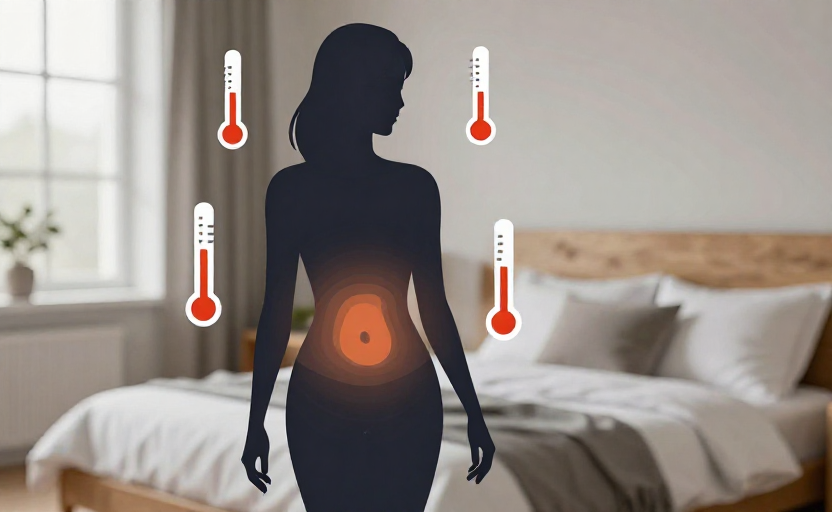
This may sound beneficial. However, the type of fat matters most. Visceral fat — the deep abdominal fat that wraps around organs — is linked to a higher core body temperature and poorer thermoregulation. When your internal thermostat is already unstable, this added heat load can trigger more frequent and more intense hot flashes.
A 2021 study in the journal Menopause found that women with a higher percentage of central body fat reported more severe vasomotor symptoms (hot flashes and night sweats), even after adjusting for total body weight.
Additionally, visceral fat promotes low-grade systemic inflammation. Inflammatory cytokines can disrupt the hypothalamus — the brain’s temperature control center — making it more sensitive to small shifts in core temperature. The result: a hot flash that is not just warmer but more sudden and uncomfortable.
Can losing weight reduce hot flash severity?
The short answer is yes, for many women, but the relationship is not as simple as “lose weight, flush away flashes.”
Research from the Women’s Health Initiative (WHI) observational study shows that women who lost 10 pounds or more during menopause reported fewer hot flashes over time compared to weight-stable peers. However, the same study noted that weight loss achieved through severe calorie restriction (without attention to nutrition) sometimes backfired, especially if it led to low blood sugar episodes that triggered a stress hormone (norepinephrine) release — a direct heat flash trigger.
What works better is gradual, intentional weight loss that stabilizes blood sugar and reduces inflammation. Here is what practical research supports:
- Fiber-rich whole foods: Vegetables, legumes, and whole grains help blunt glucose spikes that can trigger hot flashes in metabolically sensitive women.
- Adequate protein at each meal: 20–30 grams of protein per meal supports muscle preservation during weight loss. More muscle mass helps regulate body temperature more efficiently.
- Consistent meal timing: Eating every 4–5 hours prevents the blood sugar drops that can set off a hot flash.
Notice that these are not crash diet strategies. They are anti-inflammatory eating patterns that happen to promote modest, sustainable weight loss — and, for many, a measurable reduction in flash severity.
Why abdominal fat is different from hip and thigh fat
Estrogen receptors are distributed unevenly throughout the body. Fat stored around the hips and thighs (subcutaneous fat) tends to have higher concentrations of estrogen receptors and produces more favorable metabolic signals. Belly fat (visceral fat), on the other hand, has fewer estrogen receptors and produces more inflammatory adipokines.
This distribution difference explains why two women of identical weight can have very different hot flash experiences. The woman with a higher waist-to-hip ratio (more belly fat) tends to have a higher core temperature during sleep and a quicker rise in temperature during stress — both of which prime the hypothalamus for a hot flash.
If you carry weight predominantly in your abdomen, focus on strategies that target visceral fat specifically:
- Moderate-intensity aerobic exercise: 30–40 minutes of brisk walking or cycling five times per week has been shown to reduce visceral fat independent of total weight loss.
- Resistance training: Building muscle improves insulin sensitivity, which lowers the inflammation that aggravates hot flashes.
- Sleep hygiene: Cortisol (the stress hormone) promotes belly fat storage. Prioritizing 7–8 hours of quality sleep helps keep cortisol levels in check.
Does a higher BMI always mean worse hot flashes?
Not necessarily. Body Mass Index (BMI) is a simple height-to-weight ratio that does not distinguish muscle from fat. A woman with a high BMI but a lower body fat percentage (due to significant muscle mass) may experience fewer hot flashes than a woman with a lower BMI but a higher percentage of visceral fat.
What matters more is metabolic health — how well your body handles glucose, inflammation, and temperature regulation. Some women with higher body weight maintain excellent metabolic health and report mild vasomotor symptoms. Conversely, some lean women with central adiposity (the “skinny fat” phenotype) suffer severe hot flashes.
Key takeaway for your own situation: Do not fixate on the number on the scale. Track your symptoms alongside changes in your waist measurement. If your waist-to-hip ratio drops and your hot flashes improve, you are addressing the right issue — regardless of your starting weight.
Practical strategies that address both weight and hot flash severity
Rather than chasing two separate goals, choose strategies that simultaneously support weight management and temperature regulation.
1. Cool your core before bed
A cooler sleeping environment reduces the likelihood of nighttime hot flashes. Keep your bedroom between 60–67°F (15–19°C), use a cooling mattress pad, and wear breathable natural-fiber pajamas. Good sleep reduces cortisol, which in turn helps prevent belly fat accumulation.
2. Choose magnesium-rich foods and supplements mindfully
Magnesium glycinate, in particular, has been associated with improved sleep quality and reduced hot flash intensity in small clinical trials. At the same time, magnesium helps regulate blood sugar and may support modest weight loss by improving insulin sensitivity. Sources: leafy greens, pumpkin seeds, almonds, and tofu.
3. Try paced breathing during the onset of a flash
When you feel a hot flash beginning, slow your breathing to six breaths per minute (inhale for 4 seconds, exhale for 6 seconds). This activates the vagus nerve, lowers heart rate, and reduces the release of norepinephrine, which can both reduce the severity of the current flash and help maintain cooler core temperature over time.
4. Hydrate strategically
Dehydration raises core body temperature and triggers hot flashes. Drink water consistently throughout the day, especially if you are losing weight (urine production increases during fat metabolism). Aim for 2–2.5 liters of fluid daily, adjusting for activity and climate.
A note on hormone therapy and weight changes
Hormone replacement therapy (HRT) — specifically systemic estrogen — can reduce hot flash severity significantly. Some women also find that HRT helps prevent the weight redistribution toward the abdomen that occurs in menopause. However, HRT does not cause substantial weight loss on its own, and it is not a weight management tool.
If you are considering hormone therapy, discuss its effects on body composition with your healthcare provider. Many women combine low-dose estrogen with lifestyle changes and report improvements in both weight stability and symptom control.
The relationship between weight and hot flashes is real, but it is also manageable. Weight gain during menopause is not a punishment or a sign of failure — it is a physiological adaptation to falling estrogen levels. By addressing the type of weight you carry, not just the total pounds, you can reduce hot flash severity while supporting your overall metabolic health.
Start with one change: improving sleep quality, adding a daily walk, or swapping one processed snack for a whole-food alternative. Small, consistent shifts create the conditions for your body to cool down naturally.