For many women, the conversation around menopause focuses on hot flashes, sleep disruption, and mood swings. But beneath the surface, one of the most significant shifts happening inside your body involves your skeleton. The hormonal changes of menopause have a direct, measurable impact on bone density, and understanding that link is the first step toward protecting your long-term health.
This isn't about fear—it's about knowledge. Your bones are living tissue, constantly being broken down and rebuilt. The hormones that regulate this process change dramatically during menopause, and when you know what's happening, you can take practical steps to support your skeletal system for decades to come.
What happens to your hormones during menopause?
Menopause officially occurs when you've gone twelve consecutive months without a menstrual period, but the transition—called perimenopause—can last several years before that. During this time, your ovaries gradually produce less estrogen and progesterone. Estrogen is the key player here when it comes to bone health.
Estrogen acts as a natural brake on the cells that break down bone tissue, known as osteoclasts. When estrogen levels drop, that brake is released. Osteoclasts become more active, resorbing bone faster than your body can rebuild it. The result is a net loss of bone density.
This process accelerates most rapidly in the first three to five years after your final menstrual period. Studies show that women can lose up to 20 percent of their bone density in the five to seven years surrounding menopause. That's a substantial shift, and it's why this period is critical for bone health awareness.
How bone density loss actually works
Think of your skeleton like a bank account. Throughout your twenties and thirties, you're making deposits—building peak bone mass. During perimenopause and menopause, you start making withdrawals faster than deposits. The goal isn't to stop withdrawals entirely (that's not biologically possible), but to slow them down so your bone density stays above the threshold where fractures become likely.
Bone density is measured by a DEXA scan, which produces a T-score. A score of -1.0 or above is considered normal. Between -1.0 and -2.5 indicates osteopenia, a precursor to more significant bone loss. At -2.5 or lower, the diagnosis is osteoporosis—meaning bones are porous and fragile enough that everyday activities like bending over or coughing could cause a fracture.
Not everyone progresses through these stages at the same rate. Genetics play a role, as does nutrition, physical activity, and whether you entered menopause early (before age 45) or underwent surgical removal of your ovaries. The earlier estrogen drops, the longer your bones are exposed to accelerated breakdown.
One key point: Bone loss is silent. You won't feel your bones becoming thinner. The first sign for many women is a fracture—often in the wrist, hip, or spine. That's why prevention before a fracture occurs is essential.
What you can do to protect your bones
The good news is that bone loss during menopause is not inevitable in its worst form. While you cannot stop the hormonal shift, you can influence how your body responds to it. Here's what matters most:
Nutrition: calcium and vitamin D
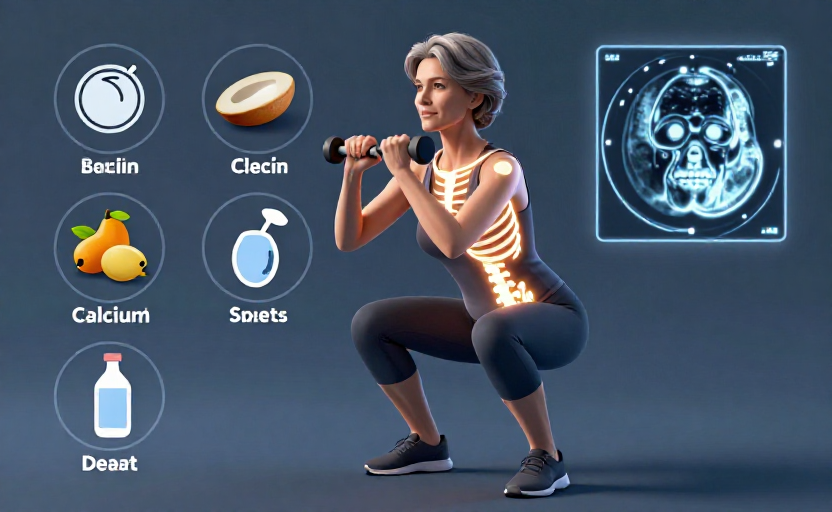
Your bones need raw materials to rebuild. Calcium is the main structural mineral, and vitamin D is required for your body to absorb that calcium. The National Institutes of Health recommends 1,200 milligrams of calcium per day for women over 51, and 600 international units of vitamin D daily through age 70 (rising to 800 IU after 70).
Food sources include dairy products, leafy greens like kale and collards, canned salmon with bones, and fortified plant milks. If you rely on supplements, choose calcium citrate over calcium carbonate if you take acid-reducing medication. Most women benefit from splitting their calcium intake into two doses of 500–600 milligrams each for better absorption.
Vitamin D is harder to get from food alone. Fatty fish, egg yolks, and fortified foods help, but many women need a supplement, especially during winter months or if they have limited sun exposure.
Weight-bearing exercise
Bones respond to mechanical stress. When you put weight through your skeleton, it signals your body to maintain or even increase bone density in those areas. The most effective exercises for bone health are weight-bearing and resistance activities.
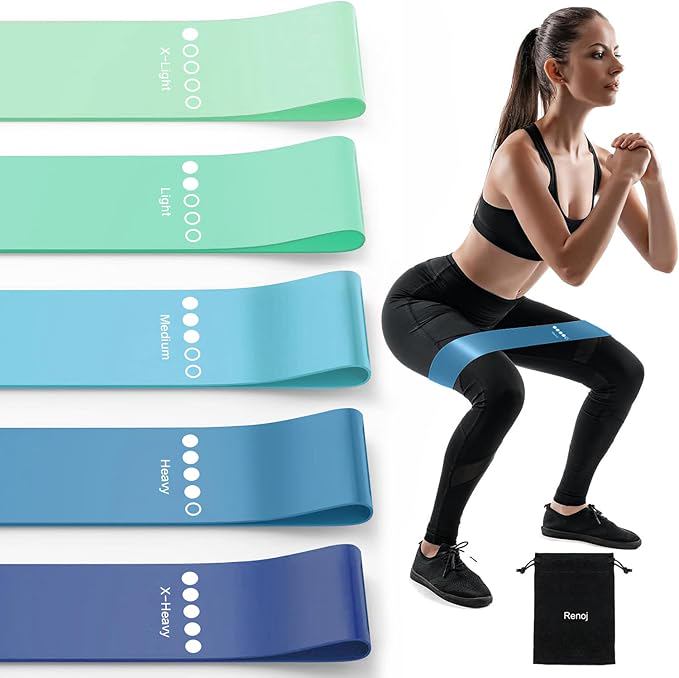
Walking is excellent for cardiovascular health, but it may not be enough to stimulate significant bone building on its own. Add activities that involve impact or loading: brisk stair climbing, jogging, dancing, tennis, or hiking with a pack. Resistance training with weights, resistance bands, or bodyweight exercises like squats and lunges is especially effective for the spine and hips—two sites where fractures are most dangerous.
Aim for at least 30 minutes of weight-bearing activity most days, plus two sessions of resistance training per week. If you have existing bone loss or osteoporosis, consult a physical therapist who can design a safe program that avoids forward bending of the spine or heavy twisting, which increase fracture risk.
Protein intake
Bone is about one-third protein by volume. Adequate protein intake supports the collagen matrix that gives bones flexibility. Women over 50 should aim for about 1.0 to 1.2 grams of protein per kilogram of body weight daily—roughly 68 to 82 grams for a 150-pound woman. Spread protein across meals rather than loading it all at dinner.
When medication might be part of the picture
For women with diagnosed osteoporosis or a high fracture risk based on FRAX scoring, medications may be recommended alongside lifestyle measures. Bisphosphonates like alendronate are the most common first-line treatment; they slow bone breakdown. Other options include selective estrogen receptor modulators or denosumab, a monoclonal antibody injection.
Hormone therapy (HT) can also preserve bone density by replacing some of the estrogen your body no longer produces. The decision to use HT involves weighing benefits against risks, including a small increased risk of blood clots and breast cancer with certain types. This is a deeply personal discussion to have with your healthcare provider, considering your individual health profile and symptoms.
No medication replaces the foundation of good nutrition and physical activity. Think of them as complementary rather than competing approaches.
Monitoring your bone density
The National Osteoporosis Foundation recommends a baseline bone density test at age 65 for most women, or earlier if you have risk factors such as a family history of osteoporosis, a prior fracture after age 50, long-term steroid use, or early menopause. If your initial scan shows osteopenia or osteoporosis, your doctor will typically recommend repeat scans every one to two years to track changes.
Knowing your numbers takes the guesswork out of bone health. It also provides motivation: when you see your T-score hold steady or improve, you know your efforts are working. When it declines, you have objective data to discuss with your doctor.
Putting it all together
The hormonal changes of menopause do affect your bones—significantly and measurably—but this is not a passive process you simply endure. Your daily choices around nutrition, physical activity, and medical monitoring directly influence how your skeleton responds to the drop in estrogen.
Focus on the fundamentals: adequate calcium and vitamin D, protein at every meal, consistent weight-bearing and resistance exercise, and open conversations with your healthcare provider about testing and, if needed, medication. Small, consistent steps add up to meaningful protection over time. Your bones have been supporting you your whole life—this is the phase where you return the favor.