If you’ve noticed your skin feeling thinner, creping more easily, or recovering slower from a scratch or blemish, you’re not imagining it. The drop in estrogen during perimenopause and menopause directly affects your body’s collagen — the structural protein that keeps skin plump, firm, and springy. This isn’t a cosmetic afterthought; it’s a physiological shift with real implications for how your skin behaves and heals.
Let’s walk through what actually happens to collagen during menopause, why skin elasticity changes, and what practical steps (backed by evidence) may help support your skin through this transition.
What happens to collagen during menopause?
Collagen is the most abundant protein in your body, forming a scaffold for skin, bones, tendons, and ligaments. Estrogen plays a key role in stimulating collagen production and protecting existing collagen from breaking down. During menopause, estrogen levels decline significantly — and collagen synthesis follows suit.
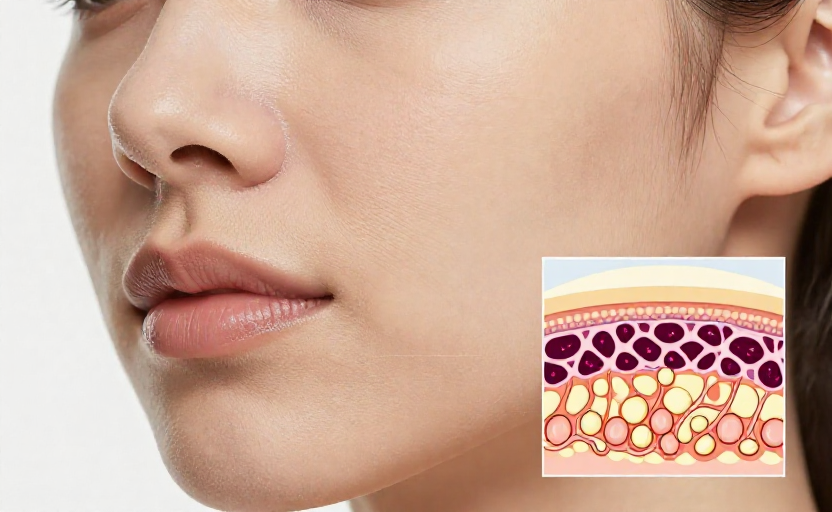
Research published in the British Journal of Dermatology estimates that women can lose about 30% of their skin’s collagen content during the first five years of menopause. The loss is most dramatic in the dermis, the deeper layer of skin that gives it volume and elasticity. Without enough estrogen, fibroblasts (the cells that make collagen) become less active. At the same time, enzymes called matrix metalloproteinases (MMPs) become more active, breaking down existing collagen faster than it can be replaced.
The takeaway: Menopause creates a double hit — less collagen is made, and more is broken down. That’s why skin changes often feel sudden, not gradual.
How does collagen loss change skin elasticity?
Elasticity is the skin’s ability to stretch and bounce back. It’s largely governed by two proteins: collagen (for firmness and structure) and elastin (for recoil). When collagen degrades, the skin’s supportive matrix weakens. You might notice:
- Fine lines and wrinkles that appear deeper or more numerous
- Skin that “crepes” or looks thin, especially on the forearms, neck, and chest
- Slower healing after cuts or irritation
- Increased sagging around the jawline, eyelids, and cheeks
Worth noting: sun exposure and smoking compound collagen loss. If you spent time in the sun without protection in your 20s and 30s, those effects may become more visible now because your body isn’t producing as much new collagen to repair the damage.
Can you rebuild collagen after menopause?
Your body never stops making collagen entirely, but production slows. The goal isn’t to “restore” youthful levels — that’s not realistic. But there is good evidence that certain strategies can support collagen synthesis and slow its breakdown.
Topical retinoids
Prescription retinoids like tretinoin and over-the-counter retinol have the strongest evidence for stimulating fibroblast activity and increasing collagen production in the skin. Studies show consistent use can improve skin thickness and reduce fine wrinkles. Start low and go slow — retinoids can cause irritation, especially on menopausal skin that tends to be drier and more sensitive.
Vitamin C (topical)
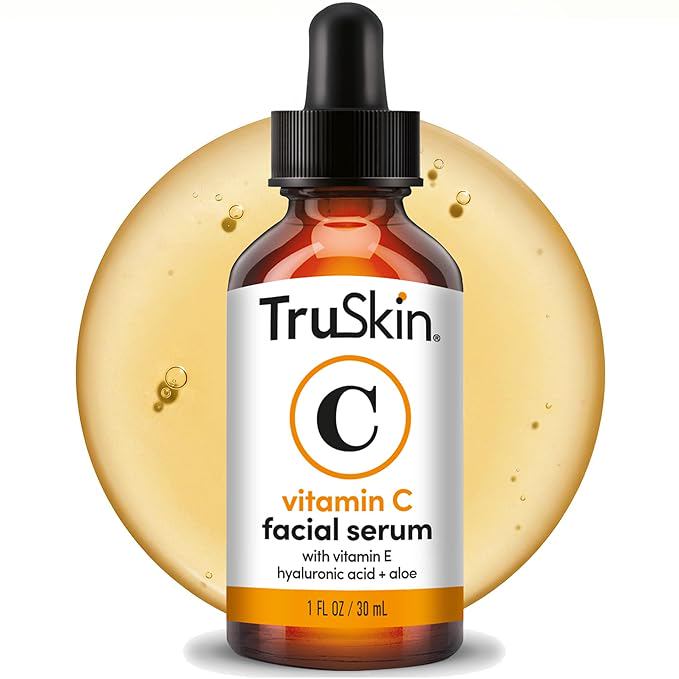
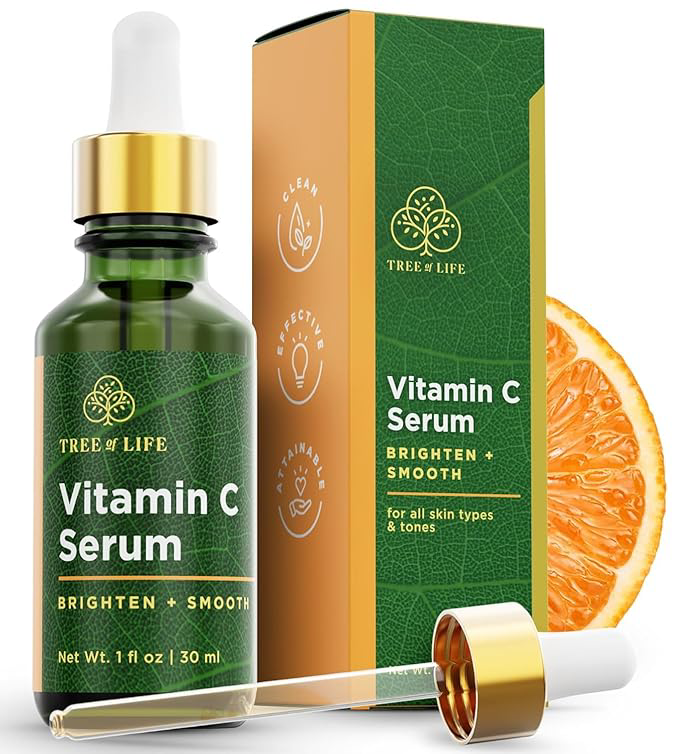
L-ascorbic acid (a form of vitamin C) is a cofactor for collagen synthesis. Applied topically, it helps stabilize and protect collagen from UV damage. It works well alongside sunscreen and retinoids, but it’s most effective when used in a stable, properly formulated product (look for opaque, air-tight packaging).
Sun protection — every day
UV radiation is the single biggest external driver of collagen breakdown. Daily broad-spectrum SPF 30 or higher, even in winter or when you’re indoors near windows, will protect the collagen you still have. This is the most impactful habit you can adopt.
Oral collagen supplements
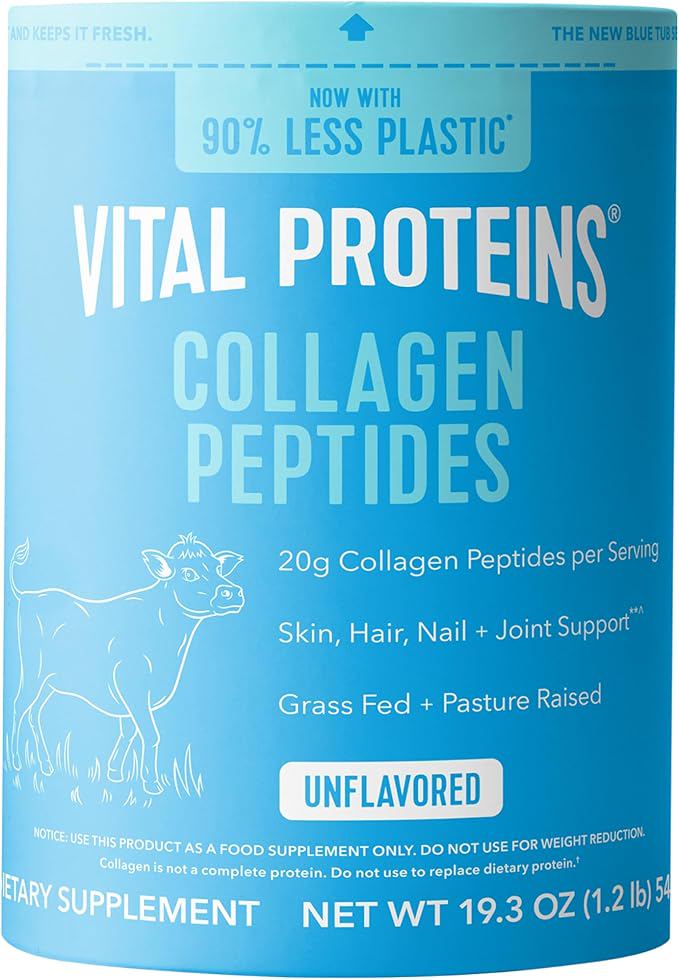
Hydrolyzed collagen peptides (usually from bovine or marine sources) are widely marketed for skin health. Several small randomized trials have found improvements in skin hydration, elasticity, and density after 8–12 weeks of supplementation. That said, the evidence is still evolving — some studies are funded by supplement makers, and the effect sizes are modest. If you want to try it, look for products that list the specific collagen type (typically type I and III for skin) and that have been tested in clinical trials. It’s not a miracle, but it may offer a small benefit.
Dietary support
Your body needs the raw materials to make collagen: amino acids (especially glycine, proline, and lysine) and vitamin C. Eating enough protein (chicken, fish, eggs, legumes) and vitamin C–rich fruits and vegetables (citrus, bell peppers, strawberries, broccoli) supports your body’s own production. Bone broth is a food source of collagen, but its protein content is relatively low compared to other sources — don’t rely on it as your main collagen strategy.
Should you avoid collagen breakers?
Yes — just as important as boosting collagen is protecting it from unnecessary breakdown. Key culprits include:
- High sugar intake: Excess glucose and fructose can bind to collagen fibers through a process called glycation, forming advanced glycation end-products (AGEs) that stiffen and weaken collagen.
- Smoking: Tobacco smoke directly degrades collagen and elastin, and it reduces blood flow to the skin.
- Excess alcohol: Heavy drinking impairs nutrient absorption and dehydrates the skin, accelerating visible aging.
You don’t need to be perfect — but cutting back in these areas will pay off for your skin over time.
What about hormone therapy?
Systemic hormone therapy (HT), typically low-dose estrogen with or without progesterone, can help support skin health by replenishing some of the estrogen lost during menopause. Studies show that women on HT tend to have higher skin collagen content and better skin elasticity than those not using it. However, HT isn’t prescribed for skin alone — it’s primarily for managing hot flashes, night sweats, bone density, and other menopausal symptoms. The decision to use HT involves weighing individual risks and benefits with your healthcare provider, including breast cancer and cardiovascular considerations.
If you’re considering HT for any reason, know that skin benefits may be a positive side effect. But don’t pursue HT solely for collagen, because there are other effective ways to support your skin without systemic hormones.
Menopause changes your skin — that’s a fact. But with consistent care, you can absolutely maintain healthier, more resilient skin. Think of collagen support as a long game: sun protection, a good retinoid, a diet rich in protein and vitamin C, and maybe a collagen supplement if you’re curious. Your skin may not look like it did at 25, but it can still feel strong, comfortable, and healthy at 55.