
For many women navigating menopause, hot flashes arrive with little warning, turning a calm conversation into a sudden wave of heat, sweat, and flush. The experience is common, but that doesn't make it any less disruptive. When lifestyle tweaks like dressing in layers or cutting back on spicy foods aren't enough, hormone replacement therapy (HRT) often enters the conversation as a targeted medical option. But how exactly does it work to stop those sudden heat surges?
Let's walk through the mechanism without the jargon, so you can understand what HRT does inside your body and why it's considered the most effective treatment for moderate-to-severe hot flashes. This is a practical overview, grounded in standard medical understanding—not a prescription or a personal recommendation.
What causes a hot flash in the first place?
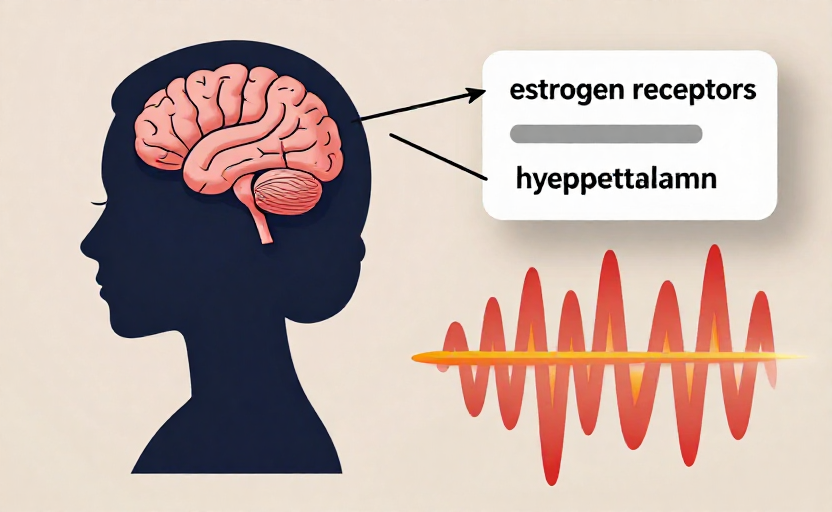
To understand how HRT helps, it helps to understand what's happening when a hot flash hits. A hot flash is not a random event. It's a sign that your brain's internal thermostat — the hypothalamus — is confused. During menopause, estrogen levels drop significantly. The hypothalamus has estrogen receptors, and when that hormone dips, the brain misreads your core body temperature.
It essentially thinks you're overheating, even when you aren't. In response, it tells your blood vessels to dilate to release heat, which makes your skin flush and triggers sweating. This cascade can raise your heart rate and leave you feeling chilly once the heat dissipates. The entire episode is a thermoregulatory glitch triggered by hormonal withdrawal.
HRT restores the missing signal
Hormone replacement therapy, in its most common form for menopausal symptoms, provides systemic estrogen. When you take estrogen (often combined with progesterone if you still have a uterus, to protect the uterine lining), you are essentially topping off the depleted supply. That estrogen travels through your bloodstream and binds to receptors in the hypothalamus and other brain regions.
By replenishing the hormone, you stabilize the signaling. The hypothalamus stops getting false alarms. It regains its ability to accurately sense your body's temperature. The result is that the body no longer launches the cooling response when no cooling is needed. This is why HRT is so effective: it addresses the root cause of the thermostat confusion, not just the symptoms.
A key point: HRT does not eliminate every hot flash in every person, but in clinical practice, it consistently reduces both frequency and severity — often dramatically — within weeks of starting.
Estrogen types and routes matter
Not all HRT is identical. The core active ingredient is estrogen, but there are different formulations. The most common is estradiol, a bioidentical form of the estrogen your ovaries used to produce. You can get it in pills, patches, gels, sprays, or vaginal rings. For hot flash relief specifically, systemic delivery matters — the hormone needs to reach your brain. Patches and gels are popular choices because they deliver a steady dose through the skin, bypassing the liver, which some women and their clinicians prefer.
If you have a uterus, you will typically also take a progestogen (either synthetic progestin or micronized progesterone) to prevent overgrowth of the uterine lining. This combined approach is often called "combined HRT." For women who have had a hysterectomy, estrogen-alone therapy is standard.
Does the type of delivery affect relief?
Yes, somewhat. Low-dose vaginal estrogen is excellent for genitourinary symptoms like dryness, but it delivers very little hormone to the bloodstream, so it won't help hot flashes. Systemic therapy — the kind that raises your blood estrogen level — is what you need for temperature regulation. Many women find that transdermal patches or gels provide smoother symptom control because they avoid peaks and valleys in hormone levels.
Timeline: how long until you feel a difference?
This varies, but a common experience is that women notice a reduction in hot flash frequency and intensity within two to four weeks of starting a systemic estrogen dose that is right for them. Some feel improvement in the first week. The full effect often builds over one to three months. If there is no meaningful improvement after six to eight weeks, the dose may need adjustment.
It's important to recognize that HRT is not a permanent cure for all menopause symptoms. Many women use it for a few years during the transition or in early postmenopause, typically at the lowest effective dose for the shortest duration needed — though the specific duration is a conversation for you and your clinician.
Who is a typical candidate?
Standard medical guidelines suggest that systemic HRT is most appropriate for women under 60 years old or within 10 years of menopause onset who are experiencing moderate-to-severe vasomotor symptoms (the medical term for hot flashes and night sweats). The benefits generally outweigh the risks for this group, especially when no contraindications are present. Common reasons not to use HRT include a personal history of breast cancer, unexplained vaginal bleeding, history of blood clots, or certain types of liver disease.
What about non-hormonal options?
HRT is the gold standard, but it is not the only option. For women who cannot or choose not to take hormones, there are non-hormonal prescription medications such as certain antidepressants (like paroxetine or venlafaxine), gabapentin, or the newer neurokinin B receptor antagonists like fezolinetant. These work on different brain pathways to dampen the hot flash signal. Lifestyle approaches — such as maintaining a healthy weight, avoiding triggers, and managing stress — can help at the margins, but are generally less effective for severe symptoms.
A calm takeaway
Understanding how HRT works takes some of the mystery out of the decision. It is a sophisticated form of hormone replacement that re-establishes the communication between your ovaries and your brain's temperature center. It doesn't mask the hot flash — it tells your body to stop sending the false signal. For many women, that means reclaiming sleep, focus, and comfort without the constant interruption of a flushing wave.
If you are considering HRT for hot flash relief, bring this understanding to your clinician. Ask about your individual risk profile, discuss the timing of starting therapy, and decide together on a delivery method and dose that fits your life. Knowledge like this helps you have a more informed, less anxious conversation about your options.