If you’ve ever wondered why your hair gets greasy by day two or why your scalp feels tight and dry, you’re thinking about sebum. This natural oil, produced by tiny glands in your scalp, is the unsung hero—and sometimes the frustrating villain—of your hair’s health. Understanding how it works is the first step to finding balance.
Sebum isn’t an enemy to be eradicated. It’s a complex, waxy substance that moisturizes your scalp, protects your hair shaft, and forms a subtle barrier against environmental irritants. The story isn’t about stopping oil production, but about learning how it functions and what influences its behavior.
What is sebum, exactly?
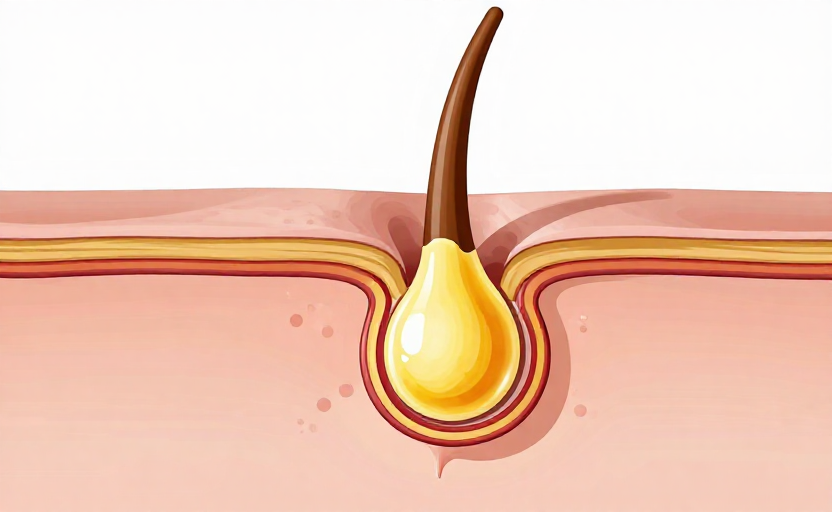
Sebum is your body’s own natural conditioner. It’s produced by sebaceous glands, which are found almost everywhere on your skin but are most densely packed on your scalp, face, and upper back. Each hair follicle has its own sebaceous gland, which secretes sebum directly into the follicle to coat the emerging hair strand.
This oil is a blend of triglycerides, fatty acids, wax esters, and squalene. Its primary job is to keep your scalp and hair from drying out. A healthy, balanced amount creates soft, shiny, manageable hair and a comfortable, flake-free scalp.
The lifecycle of scalp oil
Oil production isn’t a constant trickle. It follows a rhythm influenced by several factors.
Hormones are the primary conductor. Androgens, a group of hormones that includes testosterone, are the most potent stimulators of sebaceous glands. This is why oiliness often kicks in during puberty, can fluctuate with menstrual cycles, and may change during pregnancy or menopause. It’s also largely determined by genetics—if your parents had oily hair or skin, you likely inherited a similar sebum blueprint.
Age plays a major role. Production is typically lowest in childhood, peaks in adolescence and early adulthood, and gradually slows down as we get older. This is why many people find their hair and skin become drier with age.
External factors have their say, too. Humidity, heat, and sweating can make oil appear more prominent. Conversely, dry, cold air or over-washing with harsh shampoos can strip away too much oil, sometimes triggering your glands to overcompensate and produce even more—a cycle known as reactive seborrhea.
Think of sebum as your scalp’s natural moisturizer. The goal isn’t to remove it all, but to manage its distribution and keep production in a healthy balance.
What happens when the balance is off?
Problems arise when there’s too much or too little of this essential oil.
When there’s too much (oily scalp)
An overproduction of sebum leads to hair that looks greasy, flat, and limp soon after washing. Excess oil can also mix with dead skin cells and sweat, creating a sticky environment that may clog follicles. This doesn’t directly cause hair loss, but it can contribute to scalp inflammation and provide a food source for yeast like Malassezia, which is linked to dandruff.
When there’s too little (dry scalp)
Underproduction leaves the scalp feeling tight, itchy, and flaky. The hair can become dry, brittle, and prone to static and breakage because it lacks its natural protective coating. This is often confused with dandruff, but dry scalp flakes are typically smaller, white, and less oily.
Can you actually “train” your scalp to produce less oil?
The idea of “training” your scalp by washing less frequently is popular, but the science is nuanced. Sebaceous glands don’t have a feedback loop that senses oil on the surface of your skin or hair. They are regulated internally by hormones.
However, overwashing can contribute to a cycle of oiliness. Harsh sulfates and hot water can strip the scalp of all its natural oils, causing irritation. For some people, this irritation might subtly influence gland activity. More commonly, when you suddenly stop overwashing, there’s an adjustment period where your scalp’s natural oil level normalizes, which can feel like it’s producing less. The benefit of washing less often often comes from using gentler methods and allowing your scalp’s microbiome to stabilize, not from directly “telling” glands to slow down.
Supporting your scalp’s natural balance
You can’t control your hormones or genetics, but you can create an environment that supports balanced sebum production.
- Choose a gentle, pH-balanced shampoo. Look for formulas designed for frequent use or labeled “balancing.” Avoid sulfates if you find them overly drying.
- Wash with lukewarm water. Scalding hot water is intensely stripping and can irritate the scalp.
- Massage, don’t scratch. When shampooing, use your fingertips (not nails) in gentle circular motions to stimulate blood flow and help dislodge buildup without causing micro-abrasions.
- Consider your diet. While direct links are complex, a diet high in refined sugars and unhealthy fats may promote inflammation, which can affect skin and scalp health. Staying hydrated is universally beneficial.
- Manage stress. Chronic stress elevates cortisol and other hormones that can stimulate oil glands. Incorporating stress-reducing practices can have a positive downstream effect.
Your scalp’s oil production is a vital, natural process. By understanding what sebum is and how it’s influenced, you can move away from a cycle of aggressive stripping and reactive greasiness toward a more mindful, balanced approach to hair care. The aim is harmony, not a squeaky-clean scalp every single day.