
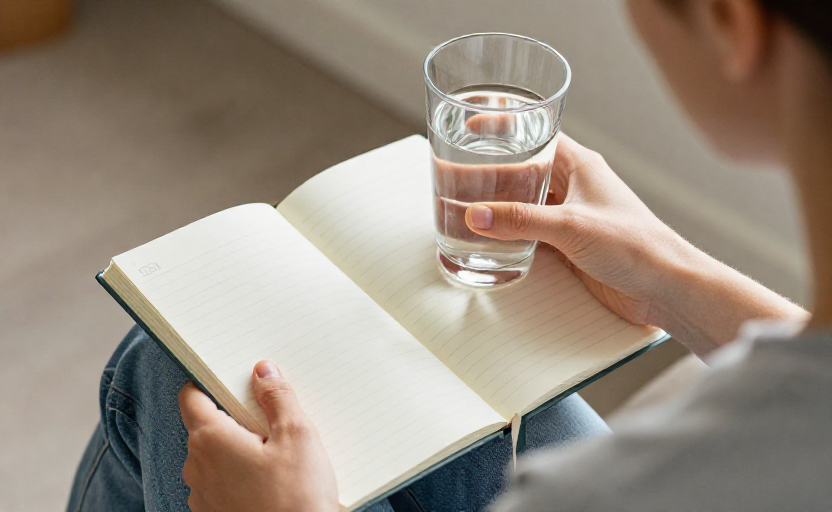
Stress shows up in subtle ways—tight shoulders, a racing mind, shallow breathing. But one of its quieter signals is often overlooked: thirst. When you're under pressure, your body's fluid balance shifts, and the simple act of tracking your water intake can become a surprisingly effective window into your daily stress levels.
Water tracking isn't just about staying hydrated. It's a mindfulness anchor that encourages you to pause, notice how you're feeling, and reconnect with your body's needs. Over time, this habit can help you spot patterns—like how a hectic morning leads to a dry afternoon or how skipped glasses correlate with a frayed mood.
How Stress Affects Your Hydration Status
When you're stressed, your adrenal glands release cortisol and adrenaline. These hormones temporarily suppress non-essential functions, including digestion and the sensation of thirst. You might not feel parched, but your body is still losing fluids through faster breathing and perspiration. The result: you can become mildly dehydrated without realizing it, which in turn exacerbates headaches, fatigue, and irritability—creating a feedback loop that fuels more stress.
Tracking your water intake gives you a concrete data point to break that loop. If you see that your consumption has dipped on a particular day, it's a cue to ask yourself: What else is going on? This simple check-in can reveal brewing stress before it fully surfaces.
Building a Water-Tracking Habit That Reveals Stress Patterns
You don't need a complicated app or a fancy bottle. A small notebook, a simple tally on your phone, or even a reusable water bottle with time markers will do. The goal is consistency, not perfection.
1. Choose a simple tracking method
Pick one tool you'll actually use. A mark on a piece of paper each time you empty your glass, a quick tap in a habit-tracking app, or a bottle with ounce markings all work. The key is that it takes less than 10 seconds.
2. Pair water tracking with a regular cue
Link your sips to an existing routine. Drink a glass when you first sit down at your desk, after you use the restroom, or before each meal. This reduces the mental load of remembering.
3. Note your stress level alongside your intake
Once a day—perhaps at the end of your work shift or before bed—jot down a one-word descriptor for your stress level (e.g., calm, busy, tense) and the approximate number of glasses or ounces you drank. Over a week, look for patterns. Do you drink less on days when you feel tense? Do headaches show up when your intake is low?
Practical tip: If you notice a downward trend in water intake on stressful days, set a gentle reminder for mid-morning and mid-afternoon to take two slow sips and check in with your jaw and shoulders.
Interpreting the Data: What Your Water Log Tells You
Your water log isn't a diagnostic tool, but it can act as a personal early-warning system. Here are common patterns people observe:
- Stress-induced forgetting: On high-pressure days, you may realize you went until 3 p.m. without drinking anything. That's a sign that your nervous system is in overdrive.
- Emotional drinking patterns: Some people over-drink when anxious (or grab caffeinated beverages, which can further dehydrate). If you notice you're reaching for coffee or soda more often, that's worth noting.
- Physical feedback: Dry lips, dark urine, or a mild headache can all be early stress signals—and they're also signs of dehydration. When you see those, you can address both the fluid gap and the underlying stress.
Translating Awareness Into Action
Once you've spotted a correlation between low water intake and high stress, you have a choice point. You can:
- Take a 2-minute hydration break (set a timer, drink slowly, breathe).
- Use the moment to do a quick stress-reduction technique: roll your shoulders, take three deep breaths, step away from the screen.
- Adjust your environment: keep a full water bottle on your desk, set an hourly chime, or prep flavored water (cucumber, lemon, mint) to make drinking more appealing.
Over time, the habit shifts from I need to drink more to I notice I feel off—let me check my water and my stress at the same time. That integration is where the real value lives.
Common Questions About Water Tracking and Stress
Does tracking water make anxiety worse?
For some people, any kind of tracking can feel obsessive. If you notice that monitoring your intake triggers perfectionism or guilt, take a break. The habit is meant to serve you, not stress you out. You can simply focus on drinking when thirsty and ignore the numbers.
How do I remember to track without being chained to my phone?
Use physical cues: a marked water bottle, a sticky note on your monitor, or a simple tally on a whiteboard. If you forget, don't worry. Just start again the next day. The pattern will emerge over weeks, not hours.
What about other drinks—do they count?
Yes, plain water is best, but other fluids (herbal tea, milk, watery fruits like cucumber or watermelon) also contribute. Caffeinated drinks and alcohol can have a mild diuretic effect, so they count less toward your hydration goal. If stress leads you to reach for coffee or wine, note that in your log—it's another data point.
Can I use a smart water bottle?
If you enjoy gadgets, a smart bottle with a reminder light or a connected app can be helpful. But it's not necessary. The habit matters more than the hardware. A simple glass and a piece of paper work just as well.
Making the Habit Stick
The most sustainable water-tracking habits are gentle and forgiving. Don't aim for a specific number of ounces unless your healthcare provider has given you a target. Instead, aim for rhythm: a glass when you wake up, one with each meal, and one in the evening. If your stress levels spike, add an extra glass and a 60-second breathing reset.
Tracking water isn't a cure for chronic stress or anxiety. But it is a practical, low-barrier way to stay connected to your body's signals. Over time, that connection can help you catch stress earlier, respond more calmly, and feel more in control—one sip at a time.