You know the feeling. That afternoon slump where your focus blurs, a low-grade headache sets in, and a wave of irritability washes over you. Before you blame your workload or a bad night’s sleep, consider a simpler, often-overlooked culprit: your water glass. The link between hydration and physical performance is well-known, but the profound impact of water on your emotional and mental state is a quieter, yet powerful, story. Subtle dehydration doesn’t just parch your mouth; it can dampen your mood, cloud your thinking, and leave you feeling drained. The good news is that by learning to track your hydration with a few practical tools, you can gain direct insight into this connection and cultivate a more stable, positive outlook.
Think of your brain as the most water-dependent organ in your body. It’s about 75% water, and every neurotransmitter firing, every thought formed, and every emotion regulated relies on a fluid environment. When you’re even mildly dehydrated, this delicate system is forced to work harder. Blood volume drops slightly, reducing the flow of oxygen and nutrients to the brain. This can trigger a stress response, leading to feelings of anxiety, fatigue, and frustration. It’s not just about thirst; it’s about your brain literally struggling to function optimally without its primary resource.
Why Your Mood Needs More Than Just a Sip
You don’t need to be trekking across a desert to experience the mood-altering effects of dehydration. Studies have shown that a fluid loss of just 1-2% of your body weight—an amount you might not even consciously notice as thirst—can begin to impair cognitive function and influence emotions. This level of dehydration is common after a night’s sleep, a sweaty workout, or simply a busy day where you forgot to drink.
The symptoms are often mistaken for other things:
- Mental fog and poor concentration can feel like overwhelm.
- Fatigue and low energy are easily attributed to a lack of sleep.
- Increased perception of task difficulty and irritability can strain relationships.
- Headaches send many reaching for medication before a glass of water.
By tuning into hydration, you’re not just quenching thirst; you’re providing foundational support for your nervous system. Stable hydration helps regulate cortisol (the stress hormone) and supports the production of serotonin and dopamine, key players in feelings of well-being and calm.
Your water intake is a dial you can turn to directly influence your brain’s operating environment.
Simple, No-Gadget Ways to Track Your Hydration
You don’t need an advanced app or expensive device to start. The most effective tracking method is one you’ll actually use consistently. Here are accessible ways to build awareness.
Listen to Your Body’s Signals
Your body offers clear cues long before you feel parched. Make a habit of checking in:
- Urine color: Aim for a pale straw or lemonade color. Dark yellow or amber is a clear sign to drink up.
- Frequency: Most well-hydrated people urinate every 2-4 hours.
- Thirst and dry mouth: Thirst is a late-stage signal. If you feel thirsty, you’re already mildly dehydrated.
- Skin check: Gently pinch the skin on the back of your hand. If it doesn’t snap back quickly, it can indicate low hydration.
The Container Method
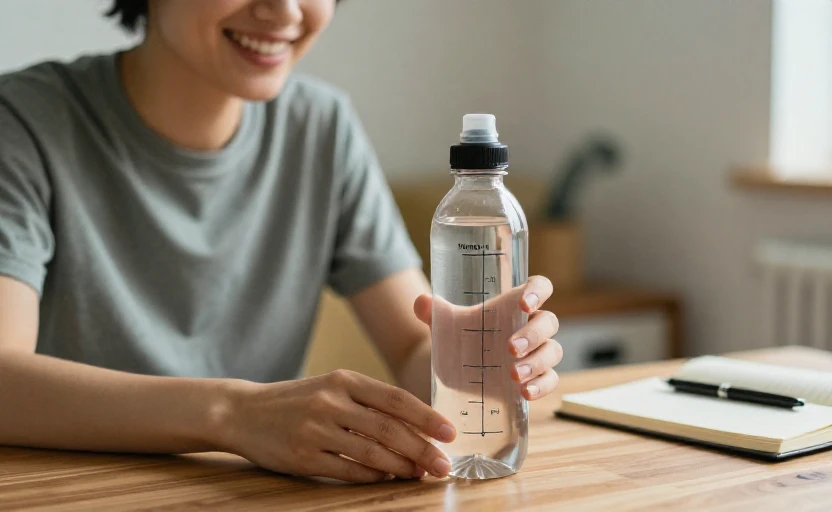
This visual approach removes the guesswork. Find a water bottle or carafe that holds a known amount (e.g., 32 oz / 1 liter). Your goal is to drink and refill it a specific number of times per day. For many, starting with two full bottles (about 64 oz) is a good baseline, adjusting for activity, heat, and body size. Place the full bottle where you’ll see it—on your desk, kitchen counter, or nightstand. Your progress is literally visible.
The Habit-Stacking Journal
Pair drinking water with existing daily habits and note your mood. Use a simple notebook or notes app. For example:
- “One glass upon waking. Felt: groggy → more alert.”
- “Refilled bottle after lunch. Afternoon focus: much better.”
- “Drank less during busy meeting. Felt: irritable, headache by 4 PM.”
This creates a personal log of cause and effect, making the hydration-mood link tangible.
Using Apps and Tech for Gentle Accountability
If you prefer a digital nudge, several apps can help without being overwhelming. Look for ones that allow customizable goals and gentle reminders. The key is to use them as a supportive tool, not a source of stress. Some can even sync with smart water bottles that track intake via sensors. The benefit here is data: over a week or two, you can see your patterns and correlate high-intake days with self-reported energy and mood levels.
Calculating Your Personal Hydration Needs
While the old “eight glasses a day” is a start, your needs are personal. A more tailored baseline is to aim for half your body weight (in pounds) in ounces of fluid daily. For example, a 150-pound person would target 75 ounces. Remember, this is total fluid, which includes water-rich foods like soups, fruits, and vegetables.
Crucially, adjust this baseline for:
- Exercise: Add 12-16 ounces for every 30 minutes of moderate activity.
- Climate: Hot or dry air increases needs.
- Health: Fever, diarrhea, or breastfeeding require more fluids.
Note: Individuals with specific kidney or heart conditions should consult their doctor for personalized fluid intake recommendations.
What Counts Toward Your Hydration?
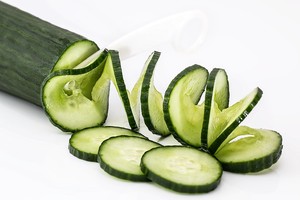
Pure water is ideal, but all non-alcoholic fluids contribute. Herbal tea, sparkling water, milk, and broths are excellent. Fruits and vegetables like watermelon, cucumber, celery, and oranges can be up to 90% water. Be mindful that caffeinated drinks and those high in sugar can have a mild diuretic effect or lead to energy crashes, so water should remain your primary source.
Consistency beats perfection. Sipping regularly throughout the day is more effective for mood stability than gulping large amounts once.
Tracking your hydration is a form of self-care that pays immediate dividends in how you feel and function. It’s a direct line to supporting your brain’s chemistry and your emotional resilience. Start with one simple method, observe the subtle shifts in your mood and energy, and let that positive feedback be your guide to a more hydrated, and happier, you.