
If you’re managing a health condition with prescription medication, you may have noticed an unwelcome side effect: vaginal dryness. While this symptom is often chalked up to stress or aging, certain drugs can directly affect your body’s natural lubrication. The good news is that some daily habits may be making the problem worse. Here are two common behaviors that can intensify medication-related vaginal dryness — and what to do instead.
1. Skimping on Water for Caffeine or Alcohol
Many medications already tax the body’s hydration levels. Antihistamines, diuretics, certain antidepressants, and some hormonal treatments can reduce moisture throughout your system. When you replace water with coffee, soda, or alcohol, you compound the issue. Caffeine and alcohol are both diuretics, meaning they cause your body to lose more fluid. Over time, this can leave your tissues — including vaginal tissues — feeling dry, thin, and irritated.
What to try instead: Aim for steady water intake throughout the day. If plain water feels boring, infuse it with cucumber, mint, or a splash of citrus. Herbal teas count toward your fluid goal without the dehydrating effect of caffeine. A simple rule of thumb is to check your urine color: pale straw means you’re well hydrated; dark yellow means it’s time to drink up.
2. Using Harsh or Scented Intimate Products
When vaginal dryness strikes, it’s tempting to reach for a moisturizer, wipe, or wash that promises relief. But many over-the-counter intimate care products contain fragrances, alcohol, or preservatives that strip natural oils and disrupt the delicate pH balance of the vulva and vagina. If you are already experiencing medication-induced dryness, these ingredients can amplify irritation, redness, and discomfort.
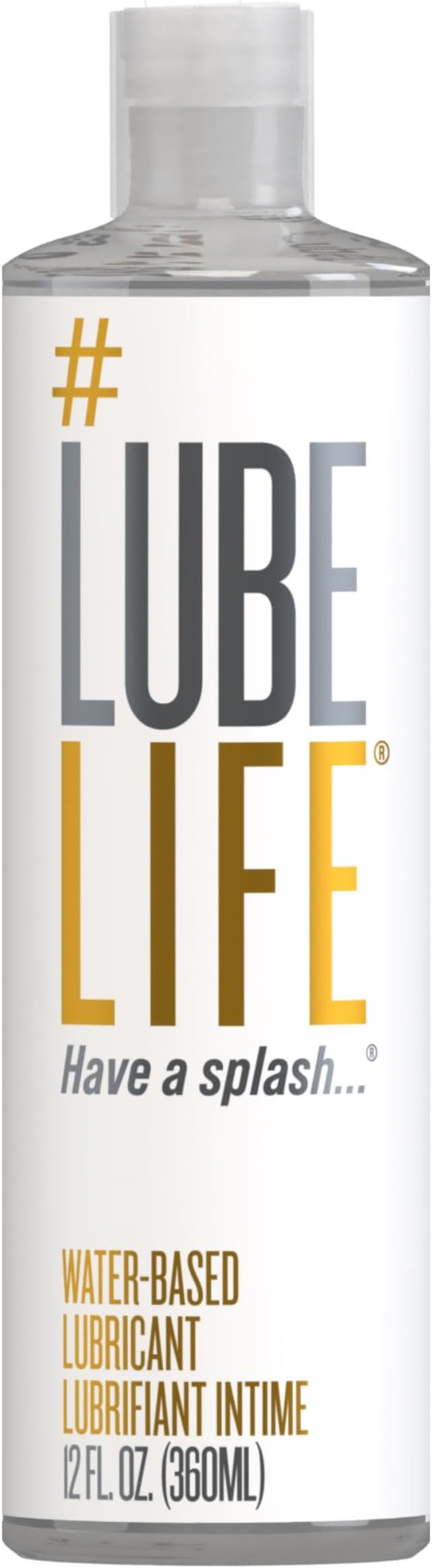
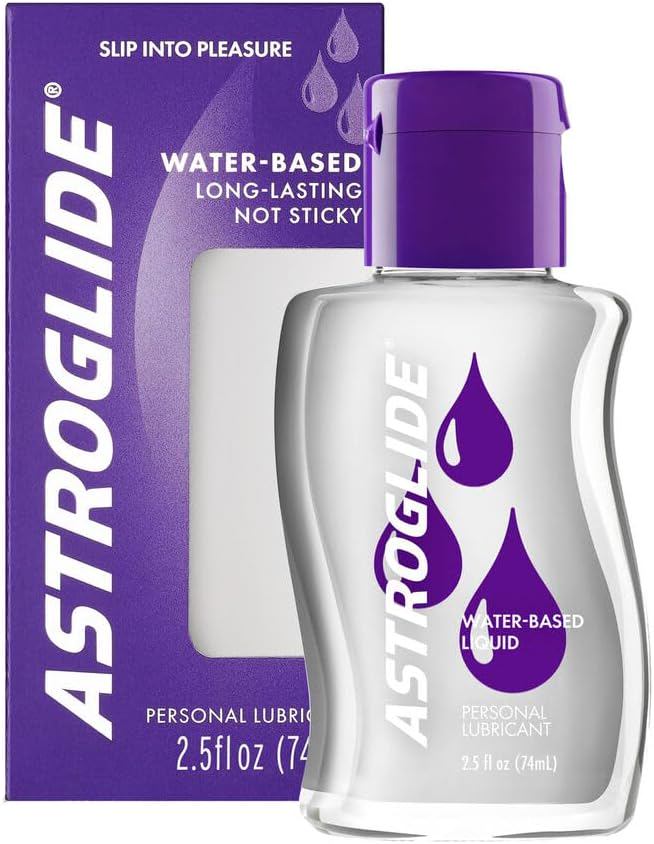
What to try instead: Stick to plain warm water for cleansing the external area. If you use a lubricant during intimacy, choose a water-based or silicone-based product free from perfumes, flavors, and glycerin. Look for products labeled “pH balanced” and “gynecologist tested.” Avoid douching entirely; it removes beneficial bacteria and can worsen dryness.
A quick note: If dryness persists or is accompanied by pain, itching, or unusual discharge, speak with your prescriber. They may adjust your dose or suggest a different medication. Never stop or change a prescription on your own.
How to Build a Vagina-Friendly Routine
Beyond fixing these two habits, a few gentle practices can help your body cope with medication-related dryness:
- Hydrate from the inside out. Drink water consistently, and consider adding omega-3-rich foods (like salmon, flaxseed, or walnuts) to support cell membrane health.
- Choose cotton underwear. Breathable fabrics reduce moisture loss and irritation. Avoid synthetic materials and tight-fitting pants for long periods.
- Use a vaginal moisturizer regularly. Unlike lubricants (used during sex), moisturizers are applied every few days to maintain tissue hydration. Look for a product without hormones and with a simple ingredient list.
- Talk to your doctor about non-hormonal options. If the dryness is severe, a vaginal moisturizer or hyaluronic acid suppository may offer relief without interfering with your medication.
Medication-related vaginal dryness can be frustrating, but you don’t have to live with it. By cutting back on dehydrating drinks and switching to gentle, unscented products, you can give your body a better chance to maintain comfort. Small shifts in daily habits can make a real difference.