
Curly hair has a beautiful, unique structure, but that same structure can make it prone to a frustrating problem: scalp buildup. When oils, dead skin cells, and product residue get trapped, they can lead to itchiness, flaking, and even hair that looks dull or limp. For those with curls, identifying and properly removing this buildup is key to maintaining both a healthy scalp and bouncy, defined strands.
Scalp buildup doesn't just look and feel unpleasant—it can also block hair follicles, potentially slowing growth or causing breakage over time. This guide will walk you through the signs of buildup, why it happens more often with curly textures, and how to clear it safely without stripping your hair's natural moisture.
What does scalp buildup look and feel like on curly hair?
Unlike dandruff, which is typically caused by a yeast overgrowth or dry skin, buildup is a physical accumulation of products and dead cells. On curly hair, it often appears as white, yellow, or grayish flakes that cling to the scalp or the roots of the hair shaft. You might also notice a waxy or greasy feeling even after washing, or your curls may feel unusually stiff, weighed down, or less defined than usual.
Another telltale sign is a persistent itch that doesn't go away with standard shampooing. Because curly hair is often washed less frequently than straight hair, residue has more time to build up. If you can scrape a small amount of white material from your scalp with your fingernail, that is almost certainly buildup rather than healthy scalp skin.
Why curly hair is especially prone to buildup
The spiral shape of curly hair makes it harder for natural oils and dead skin cells to travel down the hair shaft and shed normally. Add to that the heavy creams, butters, gels, and leave-in conditioners that many people use to define and moisturize their curls, and you have a recipe for accumulation. Many curly hair products contain ingredients like silicones, waxes, and oils that can cling stubbornly to the scalp and hair fibers.
Furthermore, many individuals with curly hair use a co-washing (conditioner-only washing) routine to avoid stripping moisture. While this is great for hydration, it often fails to remove water-insoluble residues. Over time, the layer of product and oil builds up, trapping bacteria and dead cells against the scalp.
How to safely identify the type of buildup you have
Before choosing a removal method, take a closer look at what you are dealing with:
- Product buildup: Residue that feels waxy or sticky, often linked to heavy gels, butters, or silicones. It may smell like your styling products.
- Sebum buildup: A yellowish, greasy film caused by overactive oil glands. This is more common at the crown or hairline.
- Dead skin buildup (often confused with dandruff): Flakes that are dry or slightly oily, typically accompanied by an itchy scalp. These flakes are usually larger and less uniform than dandruff.
If your scalp is red, sore, or has open sores, that is not simple buildup. In those cases, it is best to consult a dermatologist before attempting any treatments.
Step-by-step: how to remove scalp buildup from curly hair
Removing buildup from curly hair requires a gentle touch. Harsh sulfates can strip the scalp and hair of necessary moisture, leading to a cycle of dryness and excess oil production. Here is a practical, curl-friendly process:
1. Start with a pre-wash treatment
Before shampooing, apply a lightweight oil like jojoba or grapeseed oil to your scalp. Let it sit for 10–15 minutes. This helps loosen the bonds between the buildup and your skin, making it easier to remove without excessive scrubbing.
2. Use a clarifying shampoo (no sulfates)
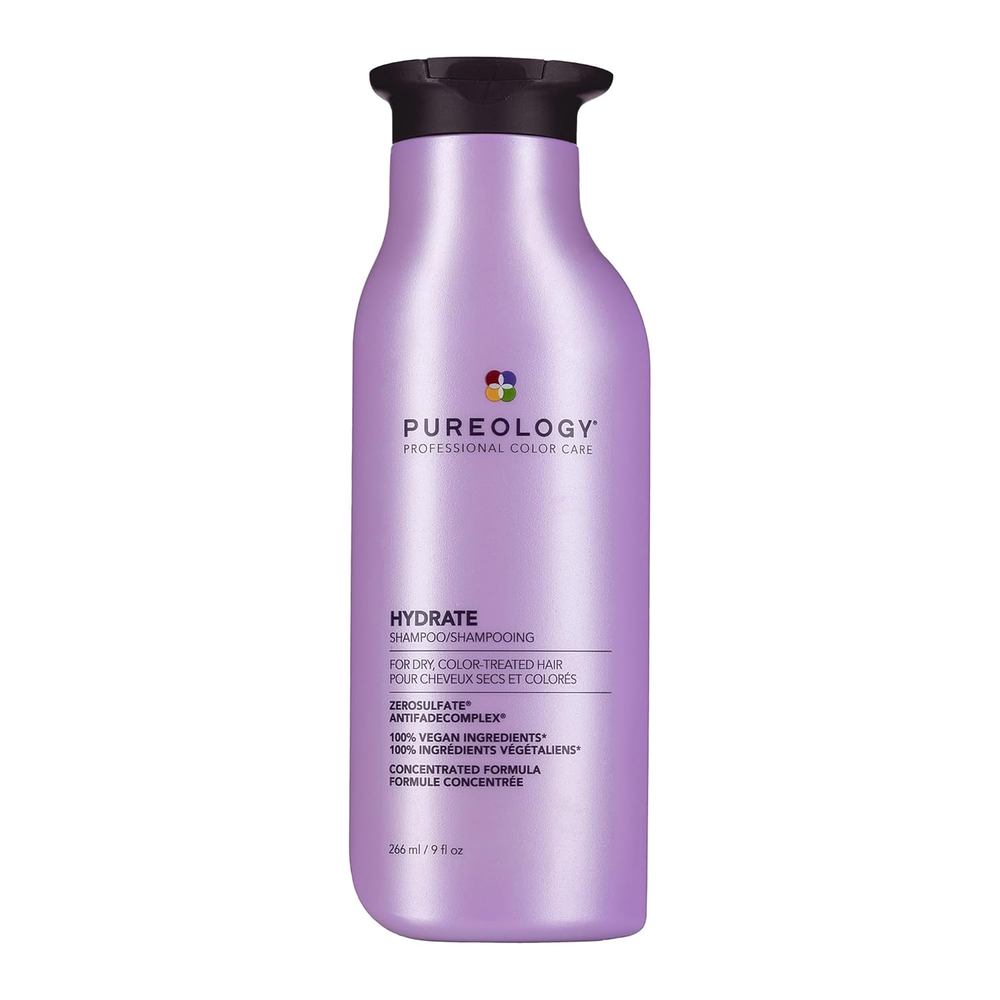
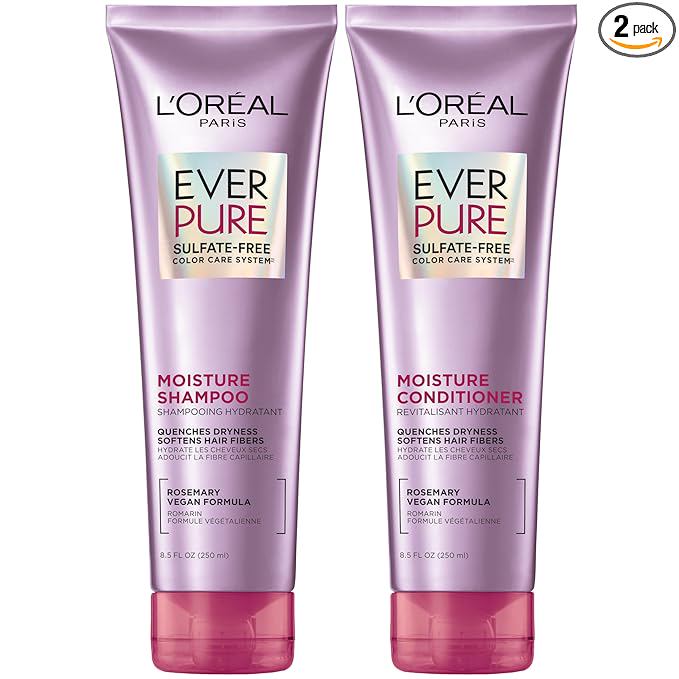
A sulfate-free clarifying shampoo is your best friend for buildup removal. Look for ingredients like apple cider vinegar, salicylic acid, or tea tree oil. Work the shampoo into your scalp with your fingertips—not your nails—using small circular motions. Focus on the scalp, not the length of your hair. Rinse thoroughly and repeat if you still feel residue.
Tip: Clarify only when you notice buildup, not as part of your weekly routine. Once a month is plenty for most curly types.
3. Follow with a moisturizing conditioner
Clarifying can be drying, so it's essential to rehydrate your curls. Apply a deep conditioner from mid-shaft to ends, avoiding the scalp. Let it sit for at least 5 minutes before rinsing with cool water to seal the cuticle.
4. Try a chemical exfoliant if needed
For stubborn buildup that won't budge with a gentle clarifier, consider a scalp-specific product containing salicylic acid or glycolic acid. These ingredients help dissolve the glue-like bonds between dead skin cells. Use such products only as directed—once a week at most—and avoid them if your scalp is inflamed.
Natural DIY options for lightweight buildup control
If you prefer a kitchen-sink approach, two science-backed options can help without stripping your curls:
- Apple cider vinegar rinse: Mix two tablespoons of ACV with one cup of water. After shampooing, pour the mixture over your scalp, massage gently, and let it sit for 2 minutes before rinsing. The acidity helps dissolve mineral and product buildup.
- Aloe vera gel mask: Apply pure aloe vera gel directly to your scalp and leave it for 15 minutes before washing. Aloe contains natural enzymes that gently exfoliate while soothing irritation.
How to prevent scalp buildup from returning
Prevention is about balancing moisture with regular cleansing. Here are the most effective habits for curly hair:
- Wash your scalp at least once a week. Even if you do not wash your hair daily, your scalp needs regular cleansing. Skipping washes for two weeks or more almost always leads to buildup.
- Rotate your styling products. Using the same heavy gel or butter every day can create a cumulative layer. Alternate with lighter products or water-based formulas.
- Rinse thoroughly. Leftover shampoo or conditioner is a major contributor to buildup. Spend extra time rinsing your scalp and roots.
- Limit dry shampoo and texturizers. These products are designed to absorb oil, but they also leave behind particles that accumulate quickly.
Keeping your curly hair healthy and voluminous starts with a clean scalp. By identifying buildup early and using targeted, gentle removal methods, you can keep your curls looking their best without sacrificing comfort or moisture.