You know the feeling of tight, thirsty skin on your face. Your scalp can feel the same way. While we often focus on the strands themselves, a healthy scalp is the foundation for healthy hair. When your scalp is dehydrated, it’s not just an uncomfortable sensation—it can lead to a cascade of issues, from increased oiliness and flaking to lackluster, brittle hair.
Scalp dehydration occurs when the skin on your head lacks sufficient moisture. Unlike simple dryness, which is often a lack of natural oils, dehydration is a lack of water. This distinction is crucial because it changes how you care for it. The good news? With a little attention, you can identify the signs and restore your scalp’s balance.
How to Tell If Your Scalp Is Dehydrated
Your scalp will send you signals. The key is learning to interpret them correctly. A dehydrated scalp often presents a confusing mix of symptoms that can be mistaken for other conditions like dandruff or oily scalp.
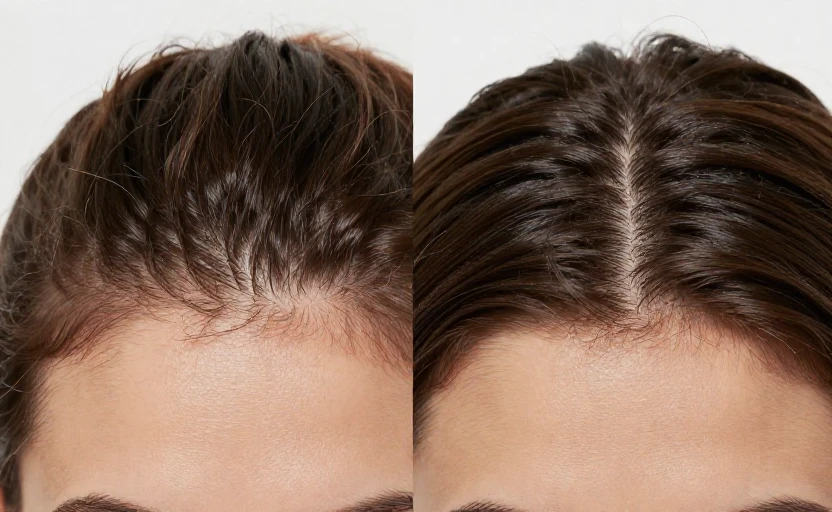
One of the most common signs is a tight, itchy feeling, especially right after washing. You might notice increased sensitivity, where even gentle brushing feels uncomfortable. Paradoxically, a dehydrated scalp can overproduce oil (sebum) in a frantic attempt to compensate for the lack of moisture, leading to roots that feel greasy quickly while the scalp itself feels parched.
Look for fine, white, dry flakes—different from the larger, oily, yellowish flakes associated with seborrheic dermatitis. Your hair may also lose its luster, feel straw-like, and become more prone to breakage and split ends because the scalp isn’t providing a hydrated foundation for growth.
Think of it like a plant in dry soil: no matter how much you water the leaves, if the roots are in parched earth, the whole plant suffers.
What’s Stripping Your Scalp of Moisture?
Several everyday habits and environmental factors can contribute to a thirsty scalp. Harsh shampoos, particularly those with sulfates like sodium lauryl sulfate (SLS), are common culprits. They are excellent at cleansing but can be too effective, stripping away natural oils and moisture in the process.
Frequent washing with hot water exacerbates the problem, as heat opens the cuticles and can draw out moisture. Overuse of heat styling tools—blow dryers, flat irons, curling wands—directly applied to the roots can scorch and dehydrate the scalp skin. Even environmental factors like dry winter air, air conditioning, and excessive sun exposure can sap moisture.
Finally, internal factors matter. Just as your skin reflects your hydration levels, so does your scalp. Not drinking enough water, a diet lacking in essential fatty acids and nutrients, and high stress levels can all manifest as a dehydrated scalp.
A Practical Routine to Rehydrate Your Scalp
Fixing scalp dehydration is about gentle correction and consistent care. It’s a process of adding moisture back in and protecting it. Start by reevaluating your wash routine.
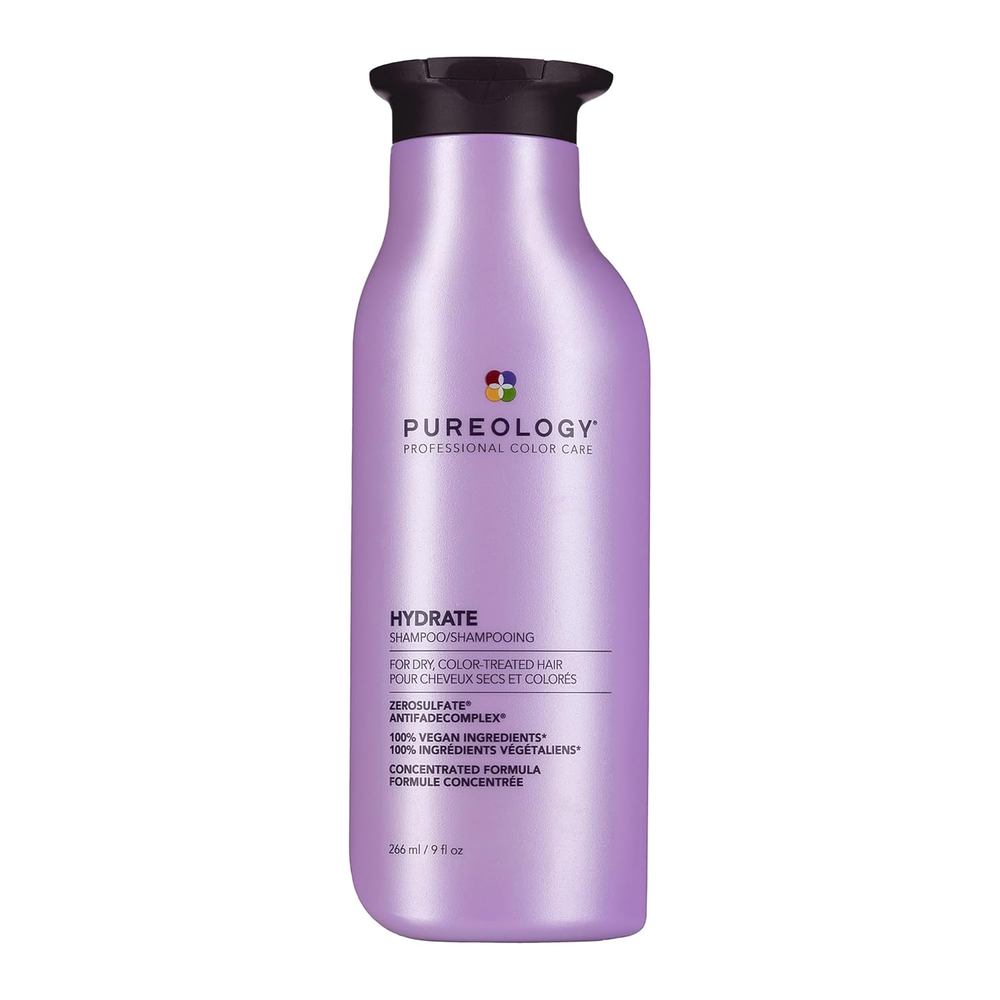
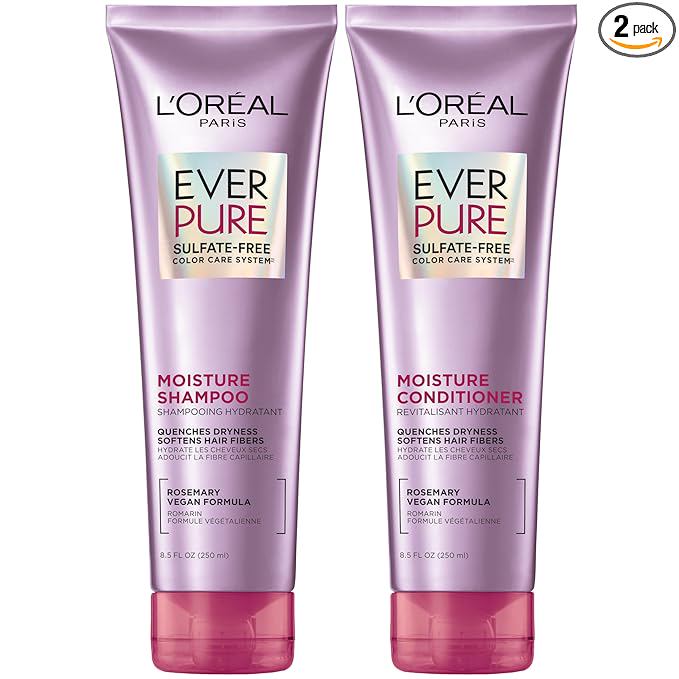
Switch to a gentle, sulfate-free cleanser. Look for hydrating ingredients like aloe vera, glycerin, or hyaluronic acid in your shampoo. Wash with lukewarm water, not hot, and consider extending the time between washes if possible to allow your scalp’s natural balance to reset.
Incorporate Targeted Hydration
This is where you actively add moisture back. A lightweight, water-based scalp serum or toner applied to clean, damp skin can make a significant difference. Ingredients like panthenol (pro-vitamin B5), niacinamide, and ceramides help attract water and strengthen the skin’s moisture barrier.
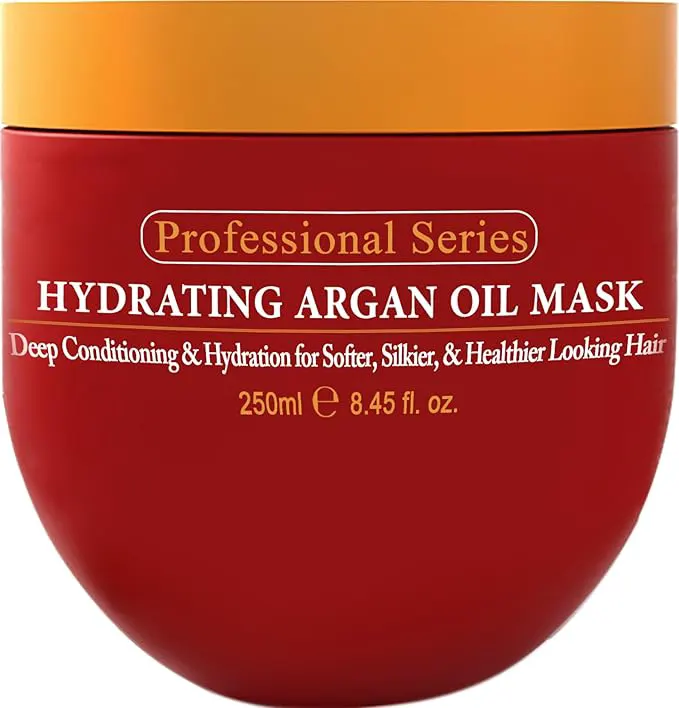
Weekly treatments are also beneficial. A hydrating scalp mask or a gentle oil treatment with jojoba or squalane oil (which mimics the skin’s natural sebum) can be massaged in before washing. The massage itself boosts circulation, which supports overall scalp health.
- Cleanse gently with a hydrating, sulfate-free shampoo.
- Treat regularly with a water-based serum or weekly hydrating mask.
- Rinse with cool water at the end of your shower to help seal the cuticle.
- Protect your scalp from sun exposure with a hat or UV-protectant hair spray.
Supporting Your Scalp from the Inside
Topical care is half the equation. What you consume supports your skin’s ability to hold onto moisture. Ensure you’re drinking enough water throughout the day—your scalp, like all your organs, needs it.
Incorporate foods rich in omega-3 fatty acids (like walnuts, flaxseeds, and fatty fish), which help maintain the skin’s lipid barrier. Antioxidants from berries and leafy greens combat oxidative stress, and adequate protein intake provides the building blocks for healthy hair and skin cells.
Remember, changes won’t happen overnight. Consistency with a gentler external routine and supportive internal habits is the most reliable path to a comfortably hydrated scalp and the healthier hair that grows from it.