If you have curly hair and a sensitive scalp, you know the struggle: attempting to calm frizz without triggering irritation, redness, or itching. Many conventional anti-frizz products rely on heavy silicones, strong fragrances, and alcohols—ingredients that can aggravate a tender scalp. The key is a targeted, gentle approach that hydrates curls while respecting the skin on your head.
Frizz is often a sign of dehydration: curly hair’s twists and turns make it harder for natural oils to travel down the strand, leaving the cuticle raised and thirsty. Meanwhile, scalp sensitivity can be exacerbated by harsh surfactants, essential oils in high concentrations, or even over-washing. By addressing both issues with a single, soothing routine, you can achieve defined, smooth curls without the burn or itch.
Start with a Gentle, Hydrating Cleanse
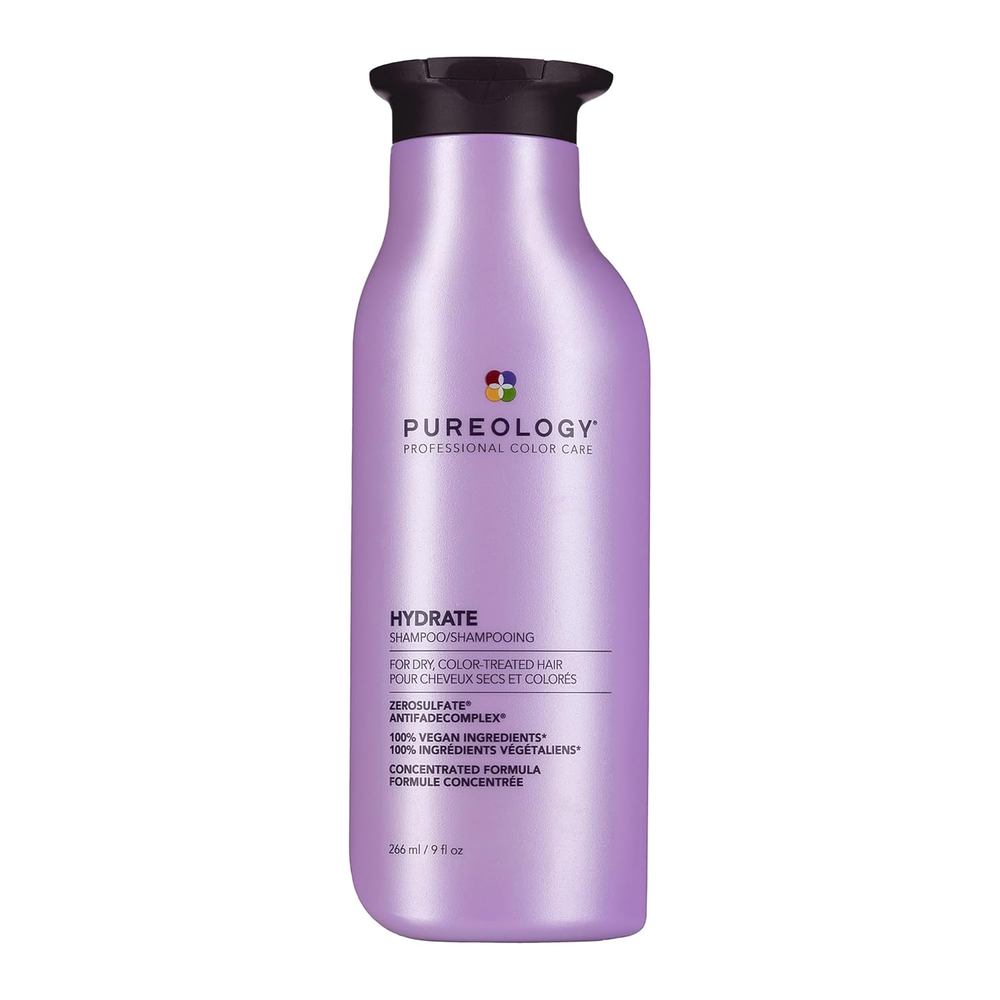
The foundation of frizz-free curls is moisture—and that begins at wash time. Avoid sulfates (sodium lauryl sulfate, sodium laureth sulfate), which strip the scalp and hair of protective oils. Instead, look for a sulfate-free shampoo or a co-wash (conditioner-only wash) that cleanses without lathering aggressively.
For sensitive scalps, choose a product labeled “fragrance-free” or “for sensitive skin.” Even natural fragrances like citrus or lavender can cause reactions on compromised skin. Apply shampoo only to your scalp, letting the suds run through your lengths as you rinse. Follow with a rich, silicone-free conditioner applied from mid-length to ends. Rinse with cool water to help seal the cuticle and reduce frizz.
Post-Wash: The Power of Leave-In and Sealing
After washing, your curls are most receptive to hydration—and most vulnerable to frizz. Gently squeeze excess water from your hair using a microfiber towel or a soft cotton T-shirt; regular terry cloth towels roughen the cuticle and invite frizz. Never rub or wring.
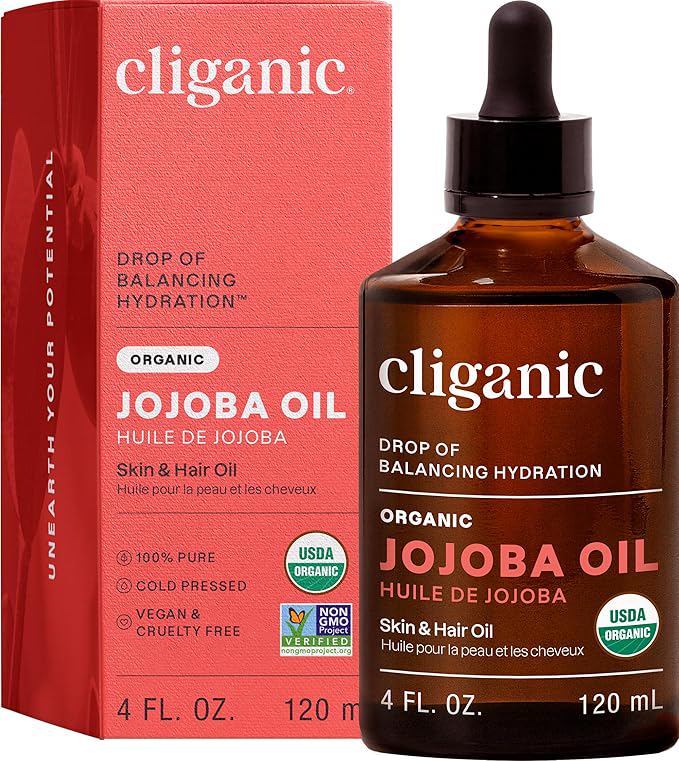
Apply a lightweight, fragrance-free leave-in conditioner or a water-based curl cream. Look for ingredients like aloe vera, glycerin, and panthenol, which are soothing and hydrating without heavy buildup. Then, seal in that moisture with a thin layer of a plant-based oil—jojoba oil, grapeseed oil, or a squalane serum. These mimic the scalp’s natural sebum and won’t clog pores or cause irritation. Only use a pea-sized amount, focusing on the ends and avoiding the scalp to prevent greasiness.
Styling Without the Sting
Many styling gels and mousses contain denatured alcohol, which dries out curls and can sting a sensitive scalp. Opt for a gel or curl custard that is alcohol-free and silicone-free. Ingredients like flaxseed gel, okra extract, or marshmallow root provide gentle hold and slip without irritation.
Apply the product while your hair is still damp, using the “praying hands” method to smooth the cuticle from root to tip. Avoid raking fingers through your hair, which can disrupt curl clumps and create frizz. Scrunch gently upward to encourage curl formation, then let your hair air-dry or use a diffuser on low heat—never high heat, which both damages curls and stresses the scalp.
Nighttime Protection: A Game Changer
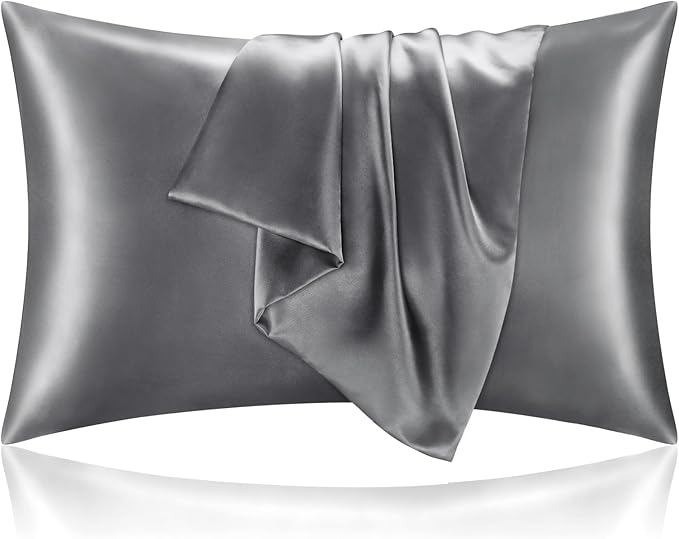
Frizz doesn’t just happen during the day—friction from a cotton pillowcase can create tangles and breakage overnight. Switch to a satin or silk pillowcase, which reduces friction and helps retain moisture. Alternatively, wrap your hair in a silk scarf or bonnet. This simple swap can dramatically reduce morning frizz and prevent scalp irritation from rough fabric.
Scalp Soothing: Routines That Help
A sensitive scalp benefits from periodic, gentle care beyond washing. Once a week, consider a soothing scalp treatment: a few drops of a carrier oil (like jojoba or rosehip seed oil—not essential oils for sensitive scalps) massaged in with your fingertips for 2-3 minutes. This improves circulation without irritating the skin barrier.
A note on essential oils: While peppermint or tea tree oil may feel cooling, they can be potent irritants for sensitive scalps. Always dilute them heavily in a carrier oil, or skip them entirely if your scalp reacts easily.
If your scalp feels tight or flaky between washes, a gentle scalp spray made with rose water (distilled, with no added fragrance) can provide instant relief. Store it in a spray bottle and mist your scalp as needed—no rubbing or massaging necessary.
Ingredients to Embrace—and to Avoid
Reading labels becomes second nature when you manage both curly hair and scalp sensitivity. Below is a quick guide:
- Avoid: Sodium lauryl sulfate, sodium laureth sulfate, denatured alcohol, isopropyl alcohol, synthetic fragrances, high concentrations of essential oils (especially peppermint, tea tree, and cinnamon), and drying silicones (like dimethicone in high molecular weight).
- Embrace: Aloe vera, glycerin, panthenol (pro-vitamin B5), jojoba oil, squalane, grapeseed oil, flaxseed gel, marshmallow root, oat extract, and ceramides (which support the skin barrier).
When in doubt, patch test any new product on a small area of your inner arm or behind your ear before applying it to your scalp. This simple step can save you from a day of discomfort.
When to Adjust Your Routine
Scalp sensitivity can change with the seasons, stress levels, or hormonal shifts. If you notice increased frizz alongside redness or flaking, it may be a sign to simplify your routine even further. Consider reducing wash frequency, switching to a cooler water temperature, or trying a fragrance-free hypoallergenic styling line.
Persistent or painful scalp sensitivity should be evaluated by a dermatologist, especially if accompanied by hair thinning, crusting, or weeping. Frizz is manageable—but scalp health always comes first.
Calming frizz on curly hair with a sensitive scalp is a balancing act, but it’s one you can master by focusing on gentle hydration, minimal ingredients, and protective styling. Your curls can be defined, smooth, and healthy without sacrificing your scalp’s comfort.