That prickling, itching, or unusual tenderness on your scalp isn't always about product buildup or a bad reaction to a new shampoo. Sometimes, the sensation is your body's way of signaling that something is missing from your diet. While we often think of scalp issues as external problems, the truth is that the skin on your head—like the rest of your body—depends on a steady supply of vitamins and minerals to stay healthy. When a nutrient gap exists, the scalp can become the first place you notice it.
Understanding this connection can shift how you approach scalp care. Rather than reaching for yet another topical treatment, you might find more lasting relief by looking at what's on your plate. Below, we break down how specific nutrient shortfalls can show up as scalp discomfort and what you can do about it.
How Nutrient Deficiencies Affect Scalp Health
The scalp is a highly vascularized area with a dense network of blood vessels and nerve endings. When certain nutrients are in short supply, the body prioritizes essential functions over non-essential ones—and hair and skin maintenance often take a back seat. This can lead to inflammation, dryness, reduced barrier function, and increased nerve sensitivity. Common signals include persistent itching, redness, flaking, or a sensation of tightness that doesn't respond to moisturizers or anti-dandruff shampoos.
What the Science Says
Research has linked several key nutrients to scalp comfort and resilience:
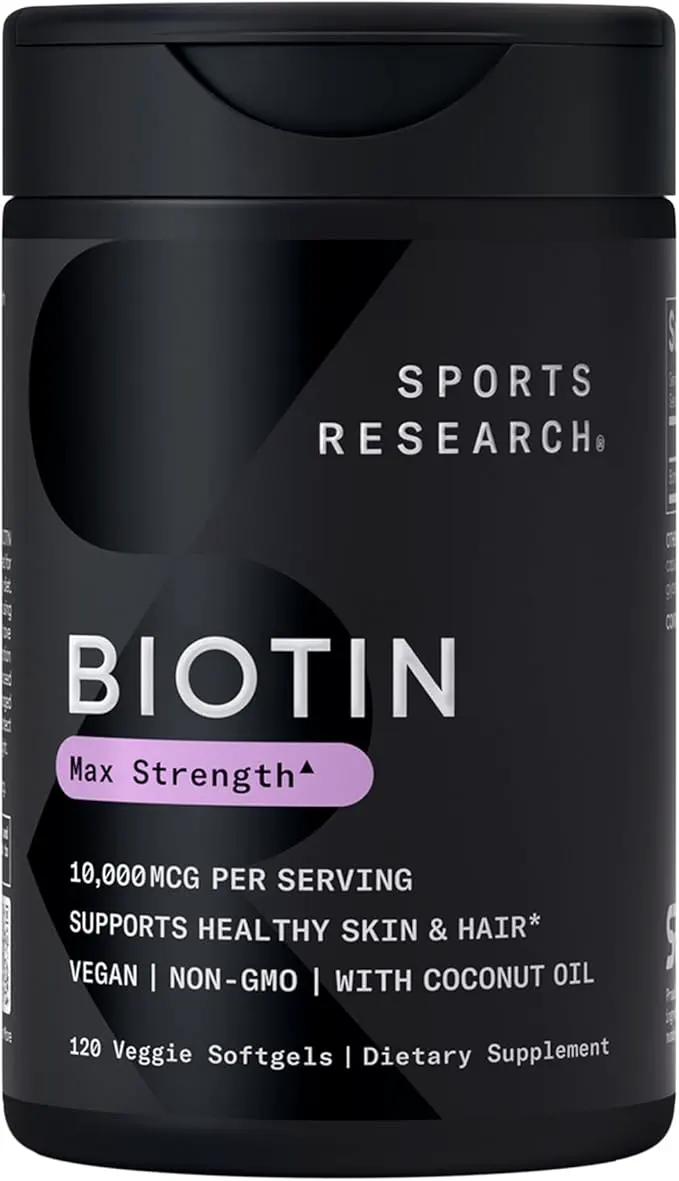
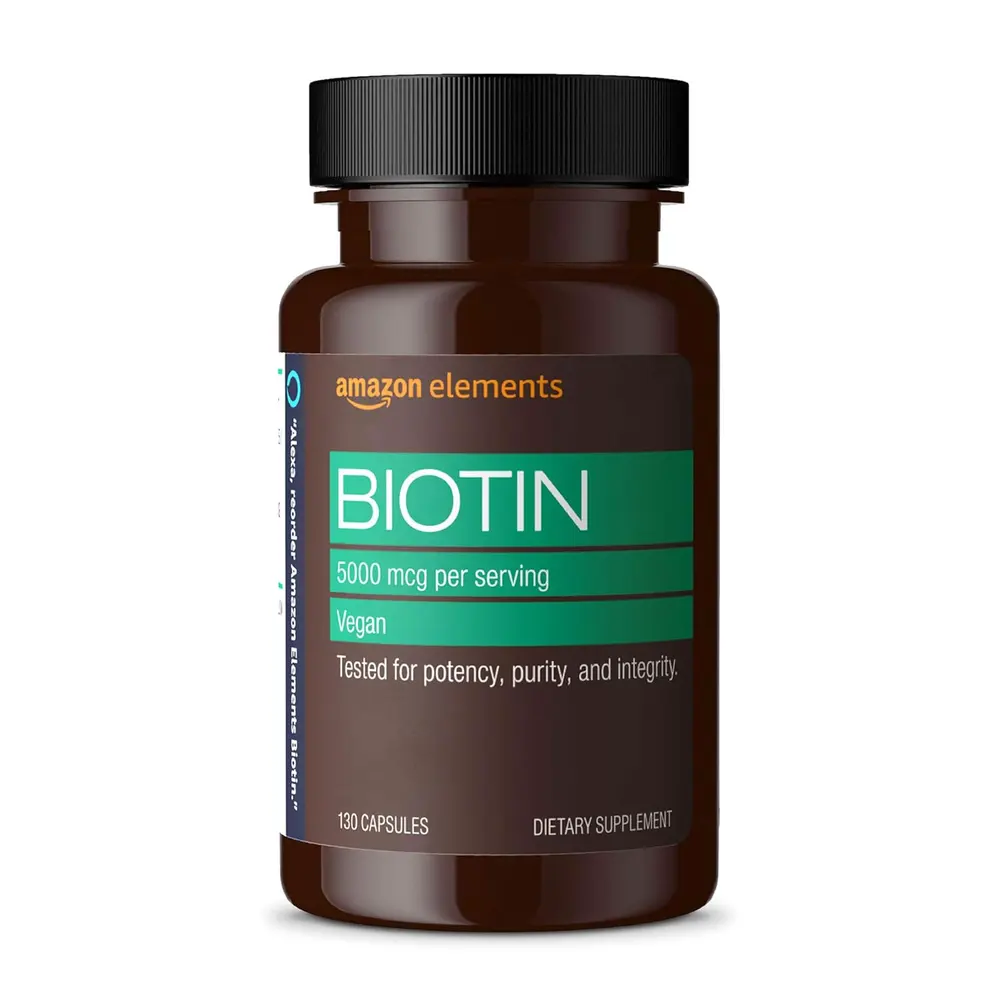
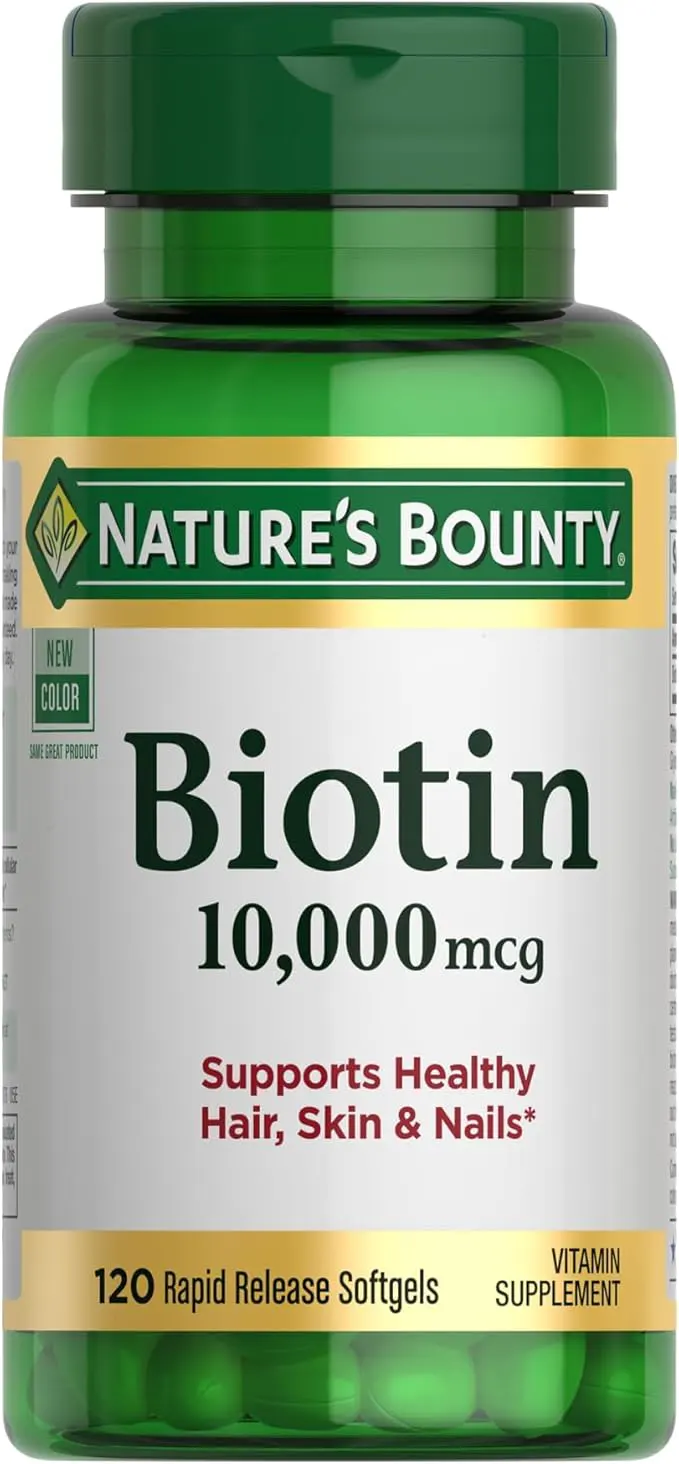
- B-vitamins (especially biotin, B12, and folate) — These help maintain healthy skin cell turnover and nerve function. A deficiency can lead to dermatitis, irritation, and a tingling sensation on the scalp.
- Zinc — This mineral plays a role in immune function and wound healing. Low zinc levels are associated with seborrheic dermatitis, a common cause of an itchy, flaky scalp.
- Iron — Iron deficiency anemia can reduce oxygen delivery to hair follicles and scalp tissue, sometimes causing a crawling or prickly feeling alongside hair thinning.
- Omega-3 fatty acids — These fats help regulate inflammation. Without enough omega-3s, the scalp may become dry, scaly, and more reactive to environmental triggers.
- Vitamin D — Emerging evidence suggests vitamin D plays a role in immune modulation and skin barrier health. Low levels are linked to psoriasis and other inflammatory scalp conditions.
A simple blood panel can reveal whether your scalp symptoms are tied to a nutrient shortfall. Always discuss results with your doctor before starting any supplement regimen.
What Scalp Sensitivity Might Be Telling You
While every person is different, certain patterns can offer clues:
- Persistent itching without visible flakes — May point to low iron or B12.
- Scalp tenderness or pain — Could be linked to inflammation from insufficient omega-3s or vitamin D.
- Dryness and flaking that resists moisturizing — Often associated with zinc or biotin deficiencies.
- A tingling or burning sensation — Sometimes relates to nerve irritation from low B-vitamins or magnesium.
Bridging the Gap: Diet First, Then Supplements
Before turning to pills, consider whole-food sources that deliver these nutrients in forms your body can easily use. Here are some of the most effective options:
- B-vitamins — Eggs, poultry, leafy greens, legumes, and fortified cereals.
- Zinc — Oysters, red meat, pumpkin seeds, and chickpeas.
- Iron — Red meat, spinach, lentils, and quinoa (pair with vitamin C for better absorption).
- Omega-3s — Fatty fish (salmon, mackerel, sardines), flaxseeds, chia seeds, and walnuts.
- Vitamin D — Sun exposure (in moderation), fatty fish, egg yolks, and fortified milk or plant-based alternatives.
If dietary adjustments aren't enough or you have a confirmed deficiency, targeted supplements may help. Choose products with third-party testing (like USP or NSF certification) to ensure quality. And remember: more is not better. Excessive intake of fat-soluble vitamins or minerals can be harmful.
When to See a Professional
Scalp sensitivity that lasts more than a few weeks, worsens, or comes with hair loss, fatigue, or other systemic symptoms warrants a visit to a healthcare provider. A dermatologist can rule out conditions like psoriasis, fungal infections, or contact dermatitis, while a primary care doctor or registered dietitian can evaluate your nutritional status and recommend safe levels of supplementation.
Lifestyle Habits That Complement Good Nutrition
Diet alone doesn't always solve scalp discomfort. A few everyday practices can support the skin's barrier and reduce irritation:
- Wash with lukewarm water (hot water strips natural oils).
- Use a gentle, sulfate-free shampoo to avoid over-drying.
- Protect your scalp from sun exposure with a hat or UV-protective spray.
- Manage stress through sleep, movement, or mindfulness—cortisol spikes can worsen inflammation.
Your scalp is a sensitive barometer for internal health. When it feels angry, it may be asking for more than a new conditioner. By paying attention to subtle signals and closing nutrient gaps with real food, you can often calm the discomfort from the inside out. If symptoms persist, work with a professional to pinpoint the root cause—your body will thank you.