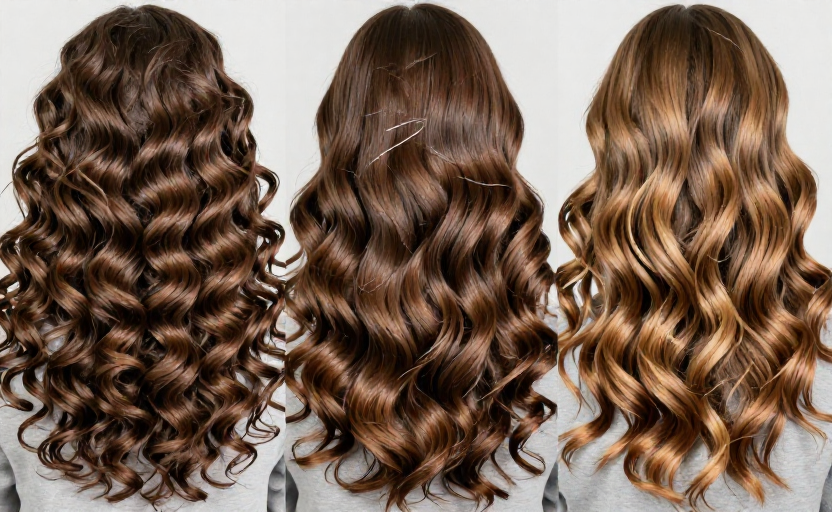
Color-treated curls have a specific kind of thirst. The chemical process that lifts the cuticle to deposit color also strips away natural lipids and proteins, leaving hair porous, brittle, and prone to frizz. Many curly-haired women find themselves chasing moisture with heavy creams only to end up with limp, over-moisturized strands—or layering protein treatments until hair feels stiff and straw-like. The real solution isn't more products, but a better understanding of balance.
Healthy curls need both protein (for strength and structure) and moisture (for flexibility and softness). When you color your hair, you disrupt that delicate equilibrium. This explainer walks through what protein and moisture actually do for curly hair, how to tell which one your curls need right now, and practical ways to restore harmony without guesswork.
Why Color-Treated Curls Are Different
Curly hair is already structurally vulnerable because of its natural twists and turns—the cuticle lifts slightly at each bend, making it easier for moisture to escape. Adding color opens the cuticle further. Ammonia or alternative alkalizing agents swell the hair shaft so color molecules can penetrate, but this also leaches out the natural fatty acids and protein bonds that keep curls resilient.
The result is a double-edged problem: hair that is both weaker (due to protein loss) and drier (due to lipid and water loss). You can't fix one without considering the other. Pouring on moisture without restoring structural support can lead to mushy, stretched-out curls. Conversely, overdoing protein without enough hydration creates rigid, snap-prone strands.
What Protein Does for Curly Hair
Protein—specifically hydrolyzed proteins of various molecular weights—fills in gaps in the hair's cortex where keratin bonds have broken. Think of it like patching potholes in a road. When the road surface is smooth, water beads off and the road holds its shape. When it's full of craters, everything sinks in and the road crumbles.
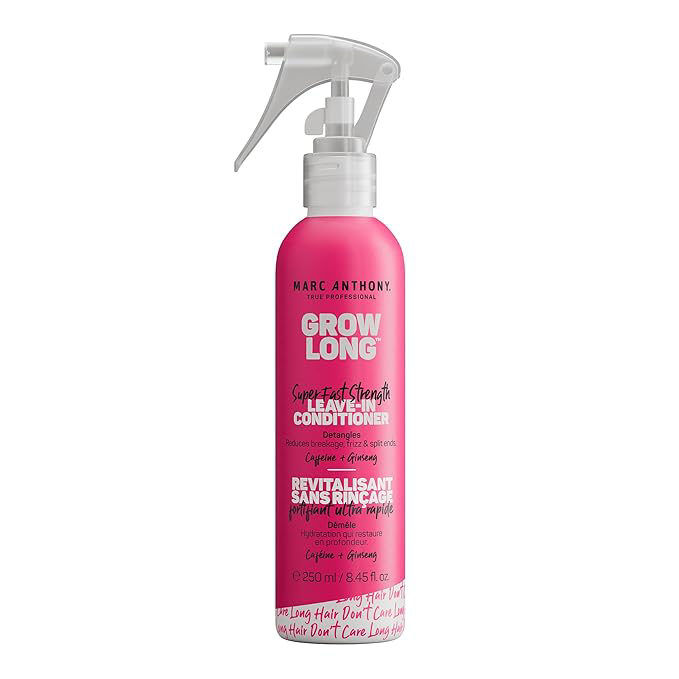
For color-treated curls, moderate protein strengthens the hair shaft, reduces breakage, and helps curls hold their defined shape rather than falling flat or becoming frizzy. Common sources include hydrolyzed wheat protein, rice protein, keratin, and silk amino acids. These ingredients are typically found in leave-in conditioners, masks, and treatments labeled "strengthening" or "repair."
Signs your hair needs more protein:
- Curls feel limp, elongated, or heavy
- Strands stretch significantly before snapping (the "stretch test"—if a wet strand stretches more than 30% without breaking, you likely need protein)
- Hair feels mushy or gummy when wet
- Frequent breakage or split ends despite regular trims
What Moisture Does for Curly Hair
Moisture refers to water content held within the hair shaft, not the oils you apply on top. Humectants like glycerin, aloe vera, and honey attract water molecules from the air and bind them to your hair. Emollients and occlusives (like shea butter, coconut oil, and fatty alcohols) then seal that water in, preventing evaporation.
Well-moisturized curls are soft, bouncy, and defined. They coil neatly without excessive shrinkage or flyaways. But moisture without protein creates hair that is flexible to the point of weakness—it can feel silky but lacks the integrity to hold a curl pattern for more than a few hours.
Signs your hair needs more moisture:
- Hair feels dry, rough, or brittle to the touch
- Curls appear dull and lack shine
- Products seem to sit on top of the hair instead of absorbing
- Hair has high porosity—it absorbs water quickly but also loses it fast
- Tangles and knots form easily, especially on wash day
How to Test Your Curls' Current Balance
You don't need a microscope. A few simple physical checks can guide you:
- The stretch test. Take a single wet strand and gently pull it. If it stretches like a rubber band and doesn't return to its original length, you likely need protein. If it snaps immediately with no stretch, you may already have enough protein and need more moisture.
- The snap test. Take a dry strand and bend it. If it breaks cleanly and quickly, it's likely brittle from too much protein or not enough moisture. If it bends without breaking but then feels frayed, moisture may be adequate but protein could be low.
- Observe your curl pattern. If your curls have lost their spring and hang straight or elongated, protein is probably needed. If they are tightly coiled but rough and undefined, moisture is likely the priority.
These tests aren't scientific absolutes—they're directional. Use them to decide which of the next two sections applies to you today.
Restoring Protein When Curls Are Weak
If your color-treated curls are stretched, mushy, or breaking, a structured protein treatment can help. Look for products with hydrolyzed proteins—these have been broken down into small enough particles to penetrate the cortex rather than just coating the surface. Rice protein and keratin are especially popular for curly textures because they provide reinforcement without stiffness.
Apply the protein treatment to clean, damp hair. Follow the manufacturer's timing carefully—leaving it on too long can backfire. After rinsing, always follow with a moisturizing conditioner or mask. This is not optional: protein opens the cuticle to penetrate, and moisture seals it back down. Skipping hydration post-protein can leave hair feeling brittle.
Frequency depends on your hair's condition. Some color-treated curlies benefit from a protein treatment every third or fourth wash day; others need it only monthly. The goal is maintenance, not saturation.
Rebuilding Moisture When Curls Are Dry
When dryness is the main concern, focus on humectant-rich ingredients that draw water into the hair and occlusives that keep it there. Aloe vera, honey, glycerin, and agave nectar are effective humectants. Shea butter, mango butter, jojoba oil, and sunflower oil work well as sealants.
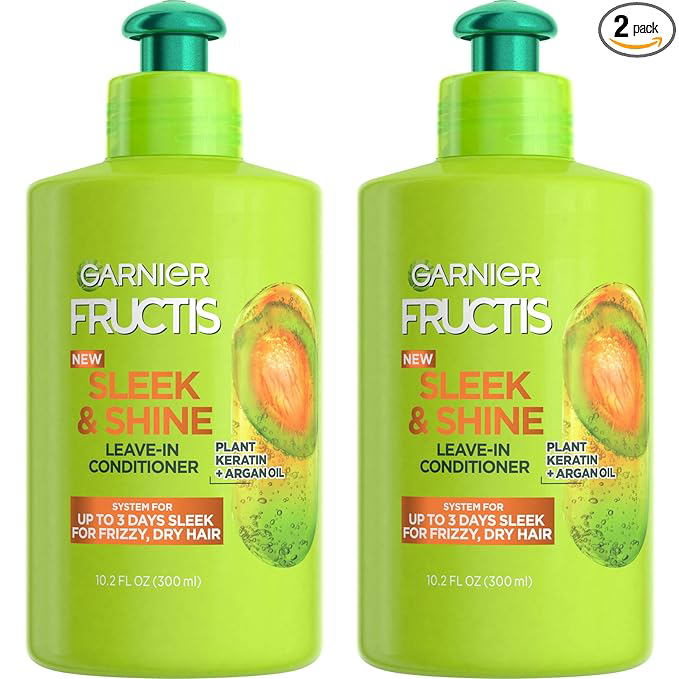
A deep conditioning session with gentle heat (a shower cap plus body heat, or a hooded dryer on low) helps the moisture penetrate. Keep the mask on for 20-30 minutes. After rinsing, apply a leave-in conditioner with both humectants and lightweight oils. Then seal with a butter or cream, focusing on the mid-lengths and ends.
For color-treated hair, avoid overloading with heavy butters that can cause buildup and dullness. Lighter oils like grapeseed or argan oil may be better for fine curls.
A good rule of thumb: if your hair feels "sticky" or looks wet even after drying, you've probably used too much product. Scale back and focus on water-based hydration first.
Maintaining Equilibrium Between Washes
Balance isn't a one-time fix—it's an ongoing rhythm. Between wash days, pay attention to how your curls feel and look. If they start to feel frizzy or rough by day two, a light spritz of water mixed with a few drops of aloe vera juice can help reset moisture without stripping anything away.
Protein and moisture can also be layered in the same wash day: start with a protein treatment, rinse, follow with a moisture mask, rinse again, then apply a lightweight leave-in. This "sandwich" method is popular among curly communities for good reason—it addresses both needs without overloading either.
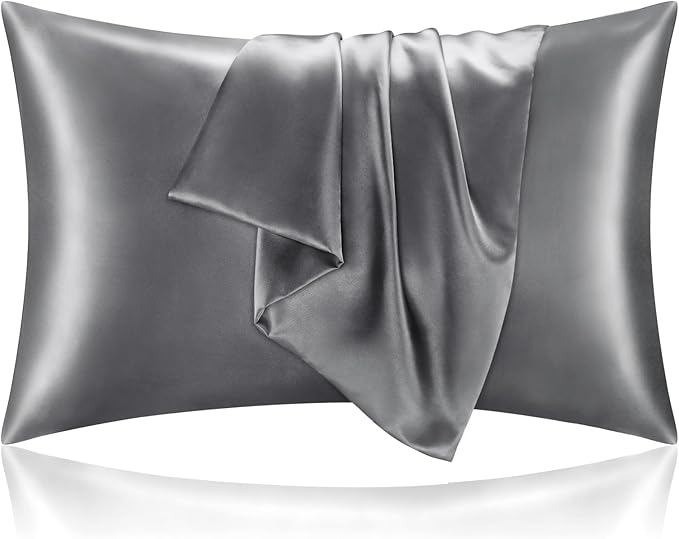
Finally, protect your curls at night. A silk or satin pillowcase reduces friction and moisture loss. Pineapple your curls in a loose, high ponytail on top of your head to preserve shape and reduce re-setting work in the morning.
When to Adjust Your Routine
Seasons, hormonal shifts, and even changes in water hardness affect how your curls respond. During humid months, your hair may need less humectant and more protein to avoid frizz. In dry winter air, moisture treatments become more critical. Similarly, as your color grows out and the demarcation line between natural and processed hair becomes longer, the old ends may need more protein while new growth needs less.
Listen to your hair. It will tell you what it needs—through its feel, its curl pattern, and its behavior between washes. Your role is to respond, not to force a fixed routine.