If you have fine hair, you know the struggle: limp strands, easy breakage, and a scalp that feels either greasy or dry—rarely balanced. While the root cause can be genetic or hormonal, what you eat plays a surprisingly direct role in how your hair behaves at the structural level and how well your scalp holds onto moisture.
This isn't about miracle foods or extreme diets. Instead, think of it as understanding the basic building blocks your hair needs to stay strong, flexible, and well-hydrated. Here is a practical look at the connection between your plate and your hair health.
Protein: The literal structure of your hair
Hair is made almost entirely of a protein called keratin. If you don't eat enough protein, your body will prioritize other tissues over hair growth, leading to thinner, weaker strands. For those with naturally fine hair, this can make the hair feel even more fragile.
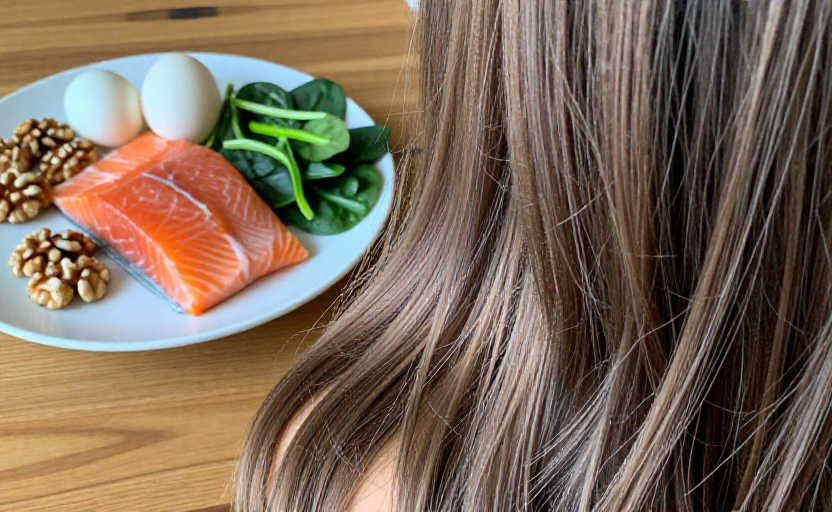
Include high-quality protein sources: eggs, lean poultry, fish, legumes, tofu, and dairy. Even a small deficit over weeks can show up as increased shedding or less elasticity in the hair shaft.
Fats and scalp moisture: the sebum connection
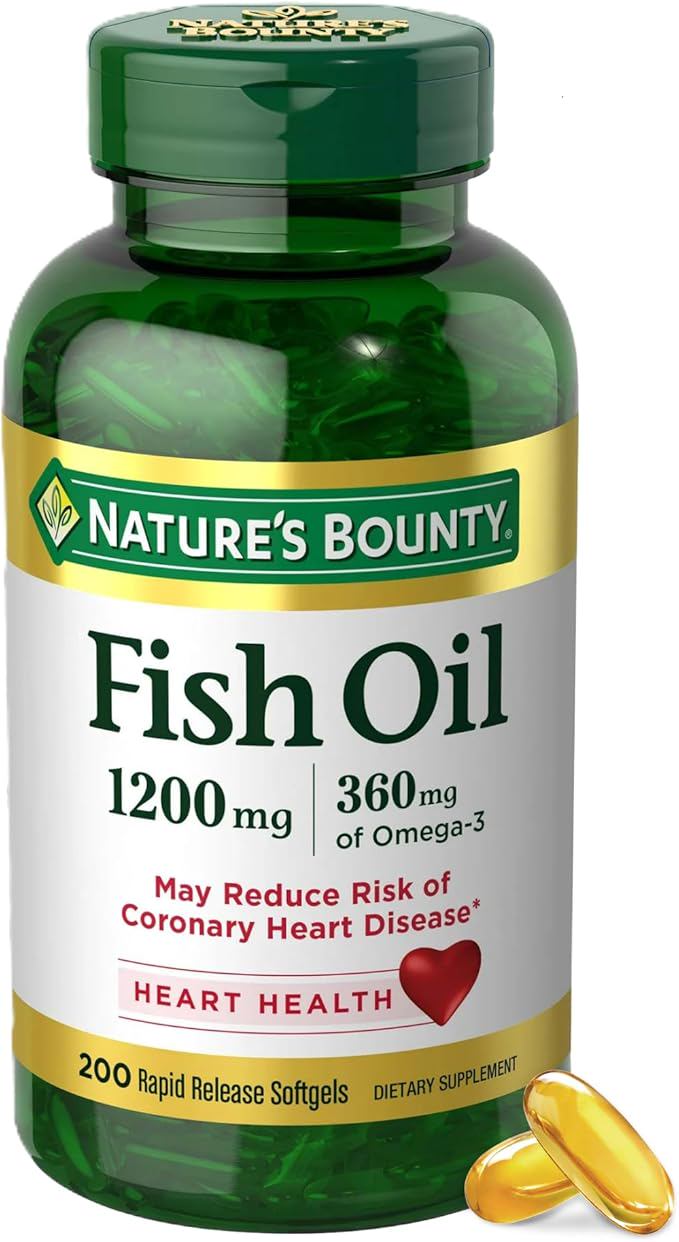
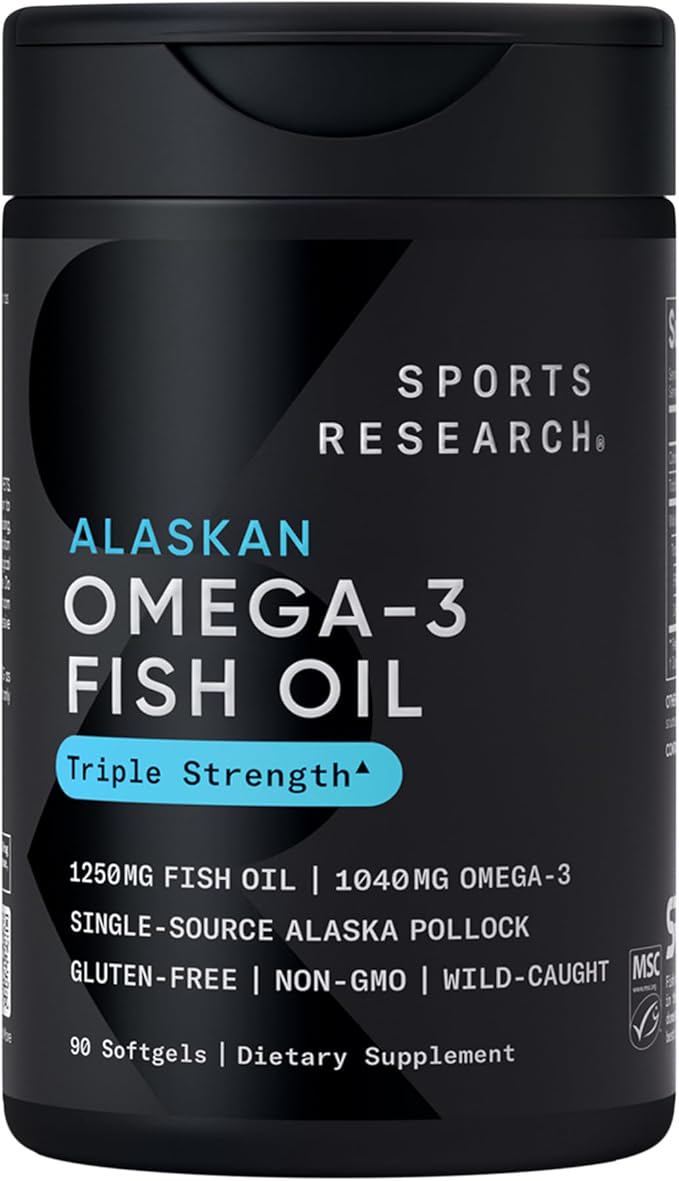
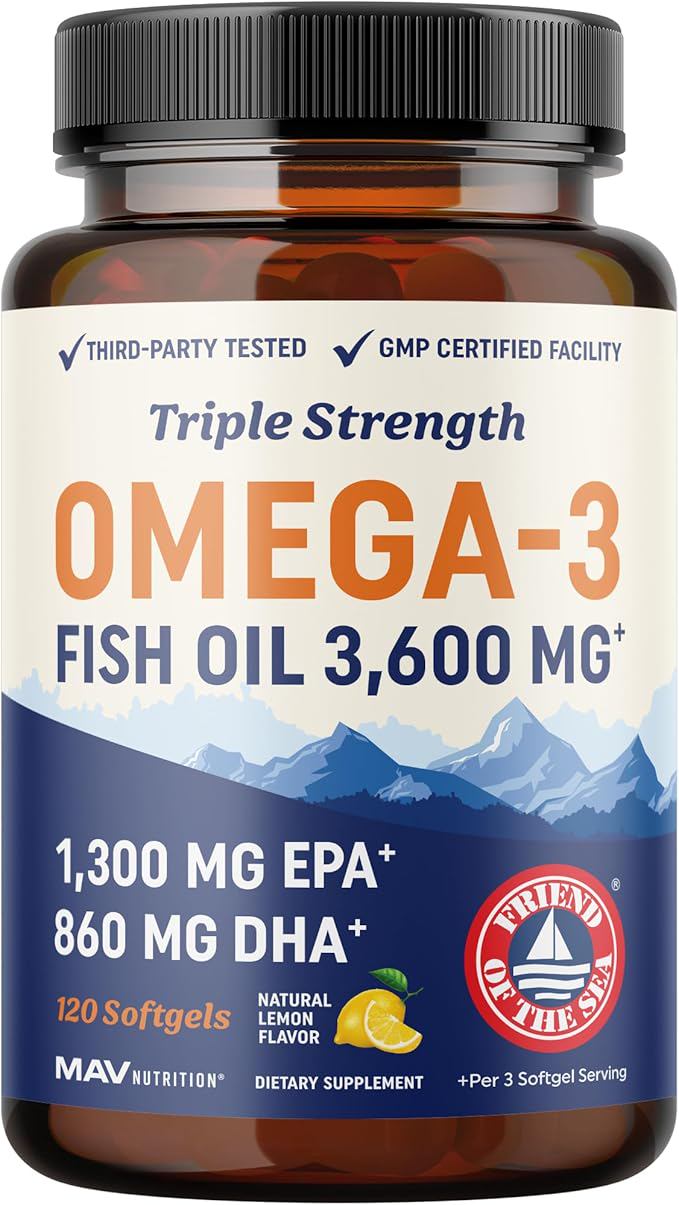
The scalp produces sebum, an oily substance that protects and moisturizes both the scalp and hair. But sebum composition depends partly on dietary fats. Omega-3 fatty acids (found in salmon, walnuts, and flaxseeds) help keep the sebum fluid and non-comedogenic. Without enough omega-3s, the sebum can become thick and waxy, potentially clogging follicles and leaving the scalp dry or flaky.
Similarly, a lack of healthy fats can lead to a dehydrated scalp, which for fine hair means more friction at the root and increased breakage. Including a tablespoon of flaxseed oil or a serving of fatty fish twice a week supports a healthy oil balance.
A hydrated scalp starts from within: Water intake alone isn't enough if your diet lacks the essential fats that help retain that moisture in skin cells.
Iron and zinc: oxygen and repair
Fine hair is especially sensitive to nutrient deficiencies because it already has a smaller diameter. Low iron stores (common in women and vegetarians) reduce the oxygen supply to hair follicles, shortening the growth phase. Hair may become finer, shed more, or lose its natural wave.
Zinc is equally critical—it supports hair follicle repair and oil gland function. A zinc deficiency can lead to dry, brittle hair and even a flaky scalp. Red meat, pumpkin seeds, chickpeas, and oysters are reliable sources. If you suspect a deficiency, a blood test is safer than random supplementation.
Vitamin D and the follicle cycle
Vitamin D receptors are present in hair follicles, and low levels are linked to non-scarring hair loss. For fine hair, the effect is often a shorter hair cycle—strands fall out before they reach their maximum length. Sunlight remains the best source, but fatty fish, egg yolks, and fortified foods help maintain baseline levels.
How sugar and inflammation impact scalp moisture
High glycemic diets (processed carbs, sugary drinks) can spike insulin, which may increase androgen activity. In turn, androgens can shrink hair follicles and alter sebum production, making the scalp either oily (then irritated) or paradoxically dry due to inflammation. The outcome for fine hair is often a brittle texture and a scalp that feels tight or itchy.
Swapping refined carbs for whole grains, legumes, and vegetables stabilizes blood sugar and reduces inflammation, giving both the scalp and hair a better environment to function.
Hydration: beyond drinking water
Your hair strand's internal water content also depends on the surrounding cortex's structural integrity. Without adequate vitamins and minerals, the cuticle lifts, allowing moisture to escape faster. That's why even well-hydrated people can have dry, brittle fine hair if their diet lacks silica (found in oats, cucumbers, and bell peppers) or B vitamins (especially biotin, present in eggs, nuts, and sweet potatoes).
Eating a variety of whole foods is more effective than any single supplement. A nutrient-dense plate supports the skin barrier on your scalp, reducing transepidermal water loss and keeping the follicle environment stable.
A note on supplements
While diet is foundational, supplements can help in specific cases—such as confirmed deficiencies due to pregnancy, restrictive diets, or certain medical conditions. But more is not better. Over-supplementing zinc, for example, can cause copper deficiency, which leads to hair loss. Always work with a healthcare professional before starting any regimen.
Fine hair does not mean doomed hair. By focusing on protein, healthy fats, iron, zinc, and anti-inflammatory eating patterns, you can support both the structure of each strand and the moisture balance of your scalp. The results are subtle but real: less breakage, better texture, and a calmer, more comfortable scalp.