When we talk about anti-aging, our minds often jump to serums, retinols, and sunscreen. And while topical skincare is crucial, what we put on our plates plays an equally vital, if not more foundational, role in how our skin looks and feels as we age. The conversation around dietary fats, in particular, has been muddled by decades of fear, leaving many to wonder if fat is friend or foe for a radiant complexion. The truth is, the right fats are not just beneficial—they are essential building blocks for resilient, hydrated, and youthful-looking skin.
Think of your skin cells as tiny, delicate structures surrounded by a protective lipid (fat) bilayer. This membrane keeps moisture in and irritants out. The quality of the fats you consume directly influences the strength and integrity of this cellular barrier. Without adequate, high-quality fats, this barrier can become compromised, leading to dryness, inflammation, and a loss of that coveted plumpness. So, let’s move beyond the fear and explore which fats truly earn their place in an anti-aging diet, and how they work from the inside out.
How Dietary Fats Nourish Your Skin
Fats are far more than just a source of energy. They are fundamental components of every cell in your body, and your skin is your body’s largest organ. Specific types of fats contribute to skin health in distinct ways, primarily by fighting inflammation and supporting cellular structure.
Chronic, low-grade inflammation is a key driver of the aging process, often referred to as “inflammaging.” It can break down collagen and elastin, the proteins that keep skin firm and springy. Meanwhile, a weak skin barrier allows precious water to evaporate, leading to fine lines and a lackluster appearance. The right fats address both issues at their source.
The Anti-Inflammatory Power of Omega-3s
Omega-3 fatty acids, particularly EPA and DHA, are potent inflammation modulators. They help calm systemic inflammation that can manifest as redness, puffiness, or conditions like rosacea. By keeping inflammation in check, they create a calmer internal environment where collagen can thrive and skin can repair itself more effectively.
Barrier Support with Monounsaturated and Saturated Fats
Fats like oleic acid (found abundantly in olive oil) and certain saturated fats like those in coconut oil help maintain the lipid layer of your skin. This layer acts like mortar between the bricks of your skin cells, sealing in hydration. A robust barrier is your first line of defense against environmental stressors like pollution and dry air, which accelerate visible aging.
The Anti-Aging Fat All-Stars
Not all fats are created equal when it comes to supporting your skin. Focus on incorporating these whole-food sources consistently, rather than seeking a single miracle ingredient.
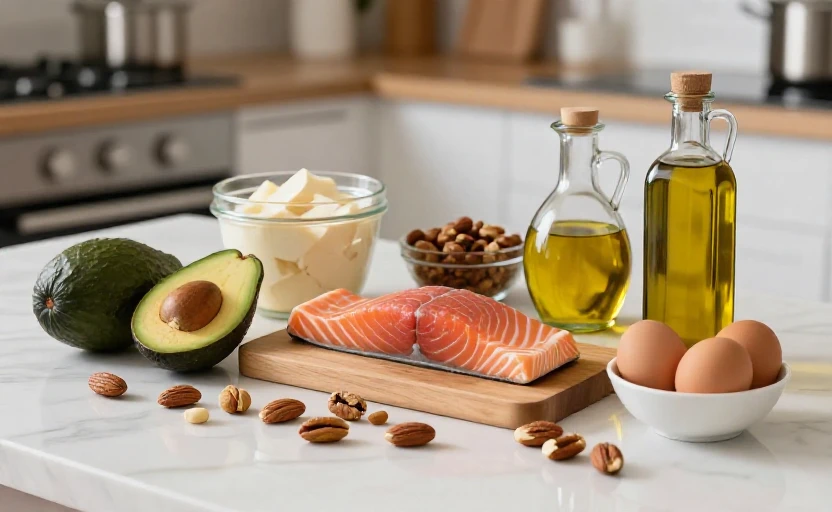
Fatty Fish: Salmon, mackerel, sardines, and herring are the most direct sources of the skin-loving EPA and DHA. Aiming for two servings per week is a common recommendation for general health that your skin will directly benefit from.
Avocados: A unique package of monounsaturated fats for barrier support, plus vitamins C and E, which are antioxidants that protect skin cells from free radical damage caused by sun and pollution.
Extra Virgin Olive Oil: The cornerstone of the Mediterranean diet, rich in oleic acid and polyphenols like oleocanthal, which has anti-inflammatory properties similar to ibuprofen. Use it for low-heat cooking or as a finishing oil.
Drizzle extra virgin olive oil over roasted vegetables or a caprese salad. The healthy fats help your body absorb the fat-soluble vitamins and antioxidants from the vegetables, doubling the skin benefit.
Nuts and Seeds: Walnuts are one of the few plant sources that contain some ALA (a plant-based omega-3), while almonds offer vitamin E. Chia seeds and flaxseeds are also rich in ALA. Remember, the body must convert ALA to EPA and DHA, a process that isn’t highly efficient, so these are best paired with direct sources.
Eggs: Particularly the yolks, which contain phospholipids that are integral to cell membranes, along with vitamins A and D.
Fats to Approach with Caution
While adding beneficial fats, it’s wise to be mindful of those that can promote inflammation and potentially undermine skin health. The primary culprits are often industrially processed.
Highly refined vegetable oils high in omega-6 fatty acids (like corn, soybean, and sunflower oil) are prevalent in processed foods, fried foods, and many packaged snacks. While we need some omega-6s, the modern diet tends to be overwhelmingly skewed toward them and away from omega-3s. This imbalance can promote an inflammatory state. Trans fats, now largely phased out but sometimes still present as “partially hydrogenated oils” in some baked goods, are particularly damaging to cellular health and should be avoided entirely.
The goal isn’t to eliminate these oils completely out of fear, but to be aware of their prevalence and focus on making your primary cooking and dressing fats from the “all-star” list.
Building a Skin-Supportive Plate
Anti-aging nutrition is never about one magic bullet. It’s about consistent, overall patterns. Fats work best in concert with other nutrients.
- Pair fats with colorful plants. The antioxidants in berries, leafy greens, and orange vegetables protect the delicate fats and your skin cells from oxidative stress. A spinach salad with salmon and an olive oil vinaigrette is a perfect synergy.
- Don’t fear whole food sources. The saturated fat in a coconut, an egg, or a piece of grass-fed beef comes packaged with a matrix of other nutrients and is part of a different biological conversation than isolated, processed fats.
- Consistency over quantity. You don’t need to drown your food in oil. Regular, modest inclusion of these quality sources is what builds resilient skin over time.
Ultimately, viewing fats as essential allies for your skin requires a shift in perspective. By choosing a variety of whole-food fats daily, you’re providing the raw materials your skin needs to maintain its barrier, fight silent inflammation, and retain a hydrated, plump appearance. It’s one of the most profound, yet simple, dietary changes you can make for long-term radiance.