Sun spots, those flat, brown patches that appear on skin after years of sun exposure, are a common sign of photoaging. While topical treatments and professional procedures are often the first line of defense, the foods you eat can play a supportive, foundational role in your skin's health. Nutrition works from the inside out, providing the building blocks your skin needs to repair itself, defend against future damage, and gently encourage a more even tone over time.
Think of your diet as a daily supplement to your sunscreen. No single meal will erase dark spots, but a consistent pattern of eating specific nutrients can help modulate melanin production, combat oxidative stress, and strengthen your skin's natural resilience. It's a long-term strategy for skin care that complements your topical routine beautifully.
How Food Influences Skin Pigmentation
Sun spots, or solar lentigines, form when ultraviolet (UV) radiation triggers an overproduction of melanin—the pigment that gives skin its color—in certain areas. This process involves inflammation and oxidative stress, which damages skin cells and disrupts normal function. The goal of a skin-supportive diet isn't to bleach the skin, but to calm these underlying processes. Key nutrients can help regulate the enzymes involved in melanin synthesis, neutralize the free radicals generated by UV exposure, and support the skin's natural turnover cycle, allowing newer, less pigmented cells to come to the surface.
Your plate is a powerful, yet gentle, tool for influencing skin health at a cellular level.
Core Nutrients for a More Even Complexion
Focusing on a few specific categories of nutrients can create a dietary pattern that actively supports your skin. These aren't exotic ingredients; they're found in everyday, whole foods.
Antioxidants: Your Cellular Defense Team
Antioxidants are molecules that neutralize free radicals, the unstable compounds that accelerate skin aging and contribute to hyperpigmentation. A diet rich in a variety of antioxidants provides broad-spectrum internal protection.
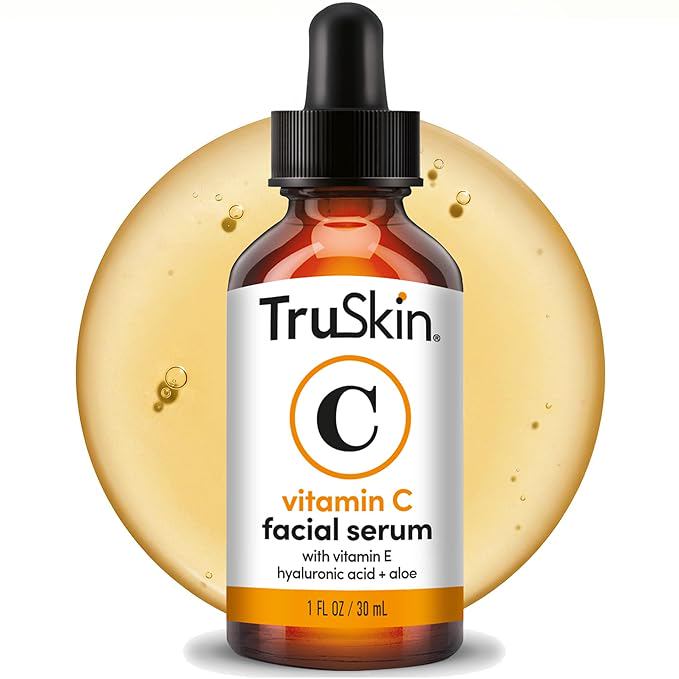
- Vitamin C: This powerhouse does double duty. It's a potent antioxidant that also directly inhibits the enzyme (tyrosinase) needed to produce melanin. It's essential for collagen synthesis, keeping skin firm and aiding in repair.
- Vitamin E: Often working synergistically with Vitamin C, Vitamin E is a fat-soluble antioxidant that protects cell membranes from oxidative damage. It helps safeguard the skin's lipid barrier, keeping it hydrated and resilient.
- Polyphenols: This large family of plant compounds, including flavonoids and catechins, has strong anti-inflammatory and antioxidant properties. They can help mitigate the UV-induced inflammation that leads to pigmentation.
Carotenoids: Nature's Internal Glow
These red, orange, and yellow pigments in plants do more than add color to your meal. Beta-carotene, lycopene, and lutein are known to accumulate in the skin, where they act as a secondary line of defense against UV rays. Studies suggest they may contribute to a subtle, healthier-looking complexion and help reduce sensitivity to sunburn, which is a direct trigger for melanin production.
Essential Fats: Building a Strong Skin Barrier
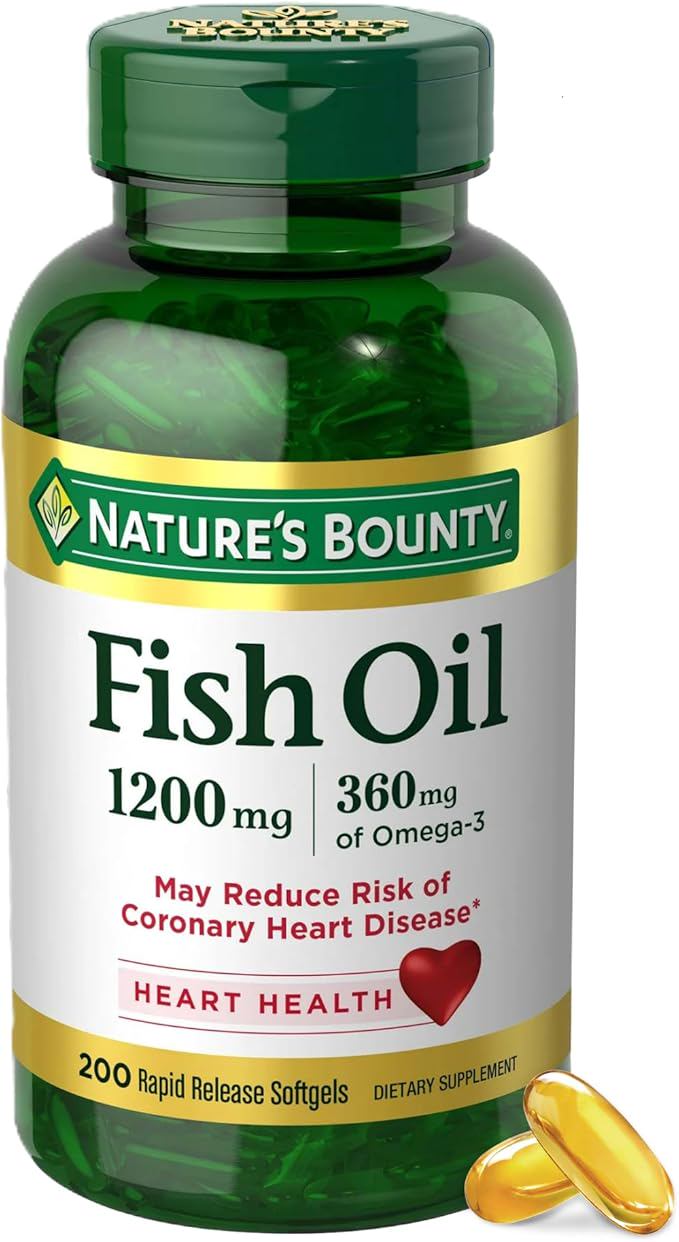
Healthy fats, particularly omega-3 fatty acids, are crucial for maintaining the skin's lipid barrier. This barrier keeps moisture in and irritants out. A strong, well-hydrated barrier is better equipped to handle environmental stressors and may heal more effectively. Omega-3s also have potent anti-inflammatory effects, helping to quiet the inflammatory response that follows UV exposure.
Foods to Embrace for Skin Protection
With those nutrients in mind, here are some of the most effective food sources to incorporate regularly. Variety is key—aim for a colorful plate to get the full spectrum of benefits.
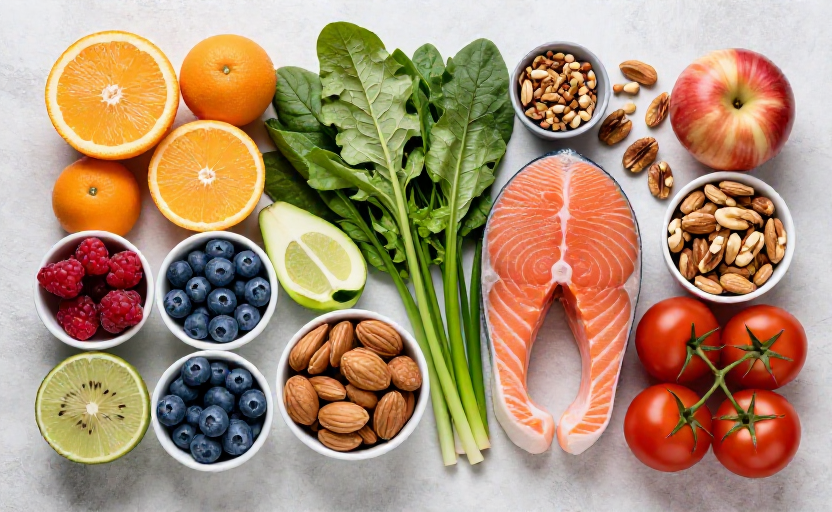
Citrus Fruits & Berries: Oranges, grapefruits, lemons, strawberries, raspberries, and blueberries are excellent sources of Vitamin C and various polyphenols. A daily serving can help maintain your skin's antioxidant reserves.
Leafy Greens: Spinach, kale, and Swiss chard are packed with antioxidants like Vitamin C, Vitamin E (in the form of alpha-tocopherol), and carotenoids like lutein. They're true multitaskers for skin health.
Colorful Vegetables: Think red bell peppers (exceptionally high in Vitamin C), tomatoes (rich in lycopene, especially when cooked), carrots and sweet potatoes (full of beta-carotene), and broccoli (which contains sulforaphane, a compound with protective properties).
Fatty Fish: Salmon, mackerel, sardines, and herring are top sources of anti-inflammatory omega-3 fatty acids EPA and DHA. Aim for two servings per week.
Nuts and Seeds: Almonds and sunflower seeds are great sources of Vitamin E. Walnuts provide plant-based omega-3s (ALA). Chia seeds and flaxseeds are also rich in ALA and fiber.
Green Tea: A standout beverage, green tea is rich in catechins, particularly epigallocatechin gallate (EGCG), which has been widely studied for its antioxidant and anti-inflammatory effects on skin exposed to UV radiation.
Foods and Habits to Be Mindful Of
Just as some foods support your skin, others may inadvertently work against your goals. This isn't about strict elimination, but about awareness.
High-glycemic foods—like sugary snacks, sodas, and refined white breads and pastas—can cause rapid spikes in blood sugar and insulin. This spike may promote inflammation and has been linked in some research to exacerbating skin conditions, potentially influencing pigmentation pathways. A diet consistently high in processed sugars and unhealthy fats can promote systemic inflammation, creating an internal environment less conducive to skin repair and resilience.
It's also wise to be cautious with foods that contain psoralens, like celery, limes, figs, and parsley, especially if you are about to have significant sun exposure. These compounds can make the skin temporarily more photosensitive. For most people eating normal amounts, this isn't a major concern, but it's something to note if you're enjoying a large fresh juice or salad right before a beach day.
Consistency with a nutrient-dense diet matters far more than perfection with any single food.
Putting It All Together: A Sustainable Approach
Transforming this information into daily practice is simple. Start by adding, not restricting. Could you add a handful of berries to your breakfast? Include a side of leafy greens with lunch? Swap a processed snack for a handful of nuts? Drink green tea in the afternoon instead of a sugary drink?
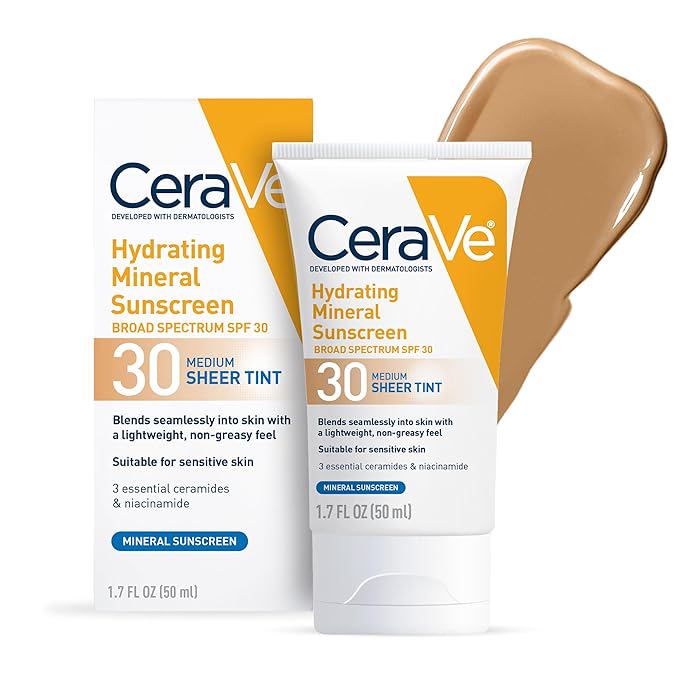
Build meals around a foundation of vegetables, include a source of healthy fat, and choose whole grains over refined ones. This pattern naturally increases your intake of skin-supportive nutrients while minimizing pro-inflammatory elements. Remember, dietary changes work gradually in concert with other healthy habits: diligent daily sunscreen use, wearing protective clothing, and seeking shade during peak sun hours remain non-negotiable for preventing and fading sun spots.
Your skin renews itself approximately every 28 days. Giving it the right nutritional tools during that cycle can, over months, contribute to a stronger, more radiant, and more even-toned complexion. It's one of the most nurturing forms of self-care you can practice.