

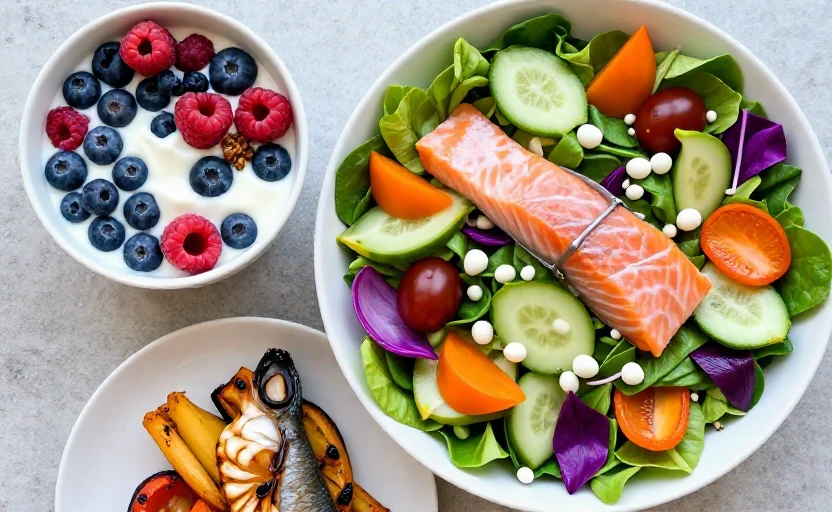
When we talk about skin resilience, we’re talking about more than just a surface-level glow. We’re talking about skin that can better handle daily stressors—like pollution, sun exposure, and the natural changes that come with time—from the inside out. While topical skincare creates a vital external barrier, what you eat provides the fundamental building blocks for that barrier to exist in the first place. Think of your diet as the raw materials for repair and renewal.
As a dietitian, my approach isn’t about restrictive rules or miracle foods. It’s about constructing a consistent, nutrient-dense eating pattern that reliably delivers the vitamins, minerals, antioxidants, and healthy fats your skin’s cells need to function optimally. This is a sample of what that pattern can look like in a day—a framework you can adapt, built on principles that support skin integrity and overall well-being.
The Core Principles Behind the Plate
Before we look at the daily menu, let’s understand the ‘why.’ A resilient skin diet focuses on a few key actions: combating oxidative stress, supporting collagen production, maintaining a strong lipid barrier, and managing inflammation. The foods chosen here work synergistically toward these goals.
Your skin is a living organ, and it thrives on a steady supply of diverse nutrients, not a single superfood.
Hydration is the non-negotiable foundation. Well-hydrated cells are plumper and function more efficiently, aiding in nutrient transport and toxin removal. Aim for water throughout the day, and remember that water-rich foods like cucumbers, berries, and soups contribute significantly to your total fluid intake.
A Day of Eating for Skin Support
This plan is a template, not a prescription. Portions will vary based on your individual needs, and ingredients can be swapped for what’s seasonal and available to you. The goal is to illustrate the flow and nutrient focus.
Morning: Gentle Awakening
Start with a large glass of water, perhaps with a squeeze of lemon. Breakfast should be satisfying and blood-sugar stabilizing to set a calm tone for the day, which helps manage cortisol—a hormone that, when chronically elevated, can impact skin.
Option A: Savory Omega-3 Boost
Two eggs, scrambled or poached, with a handful of spinach wilted in. Serve with half an avocado and a slice of whole-grain toast. The eggs provide protein and biotin, the spinach offers iron and vitamin C (which aids iron absorption), and the avocado delivers monounsaturated fats and vitamin E.
Option B: Berry & Seed Bowl
Plain, full-fat Greek yogurt topped with a mixed handful of blueberries and raspberries, a tablespoon of ground flaxseed, and a sprinkle of walnuts. This combines probiotics, antioxidants, fiber, and omega-3 fatty acids in one bowl.
Midday: Replenish and Protect
Lunch is an opportunity to load up on colorful vegetables and lean protein. The focus here is on antioxidants like carotenoids (which give plants their red, orange, and yellow hues) and zinc, a mineral crucial for skin repair and immune function.
A large salad built on dark leafy greens (like kale or romaine) is perfect. Top it with:
- Protein: A palm-sized portion of grilled chicken, salmon, chickpeas, or lentils.
- Color: Sliced red bell pepper, shredded carrots, and cherry tomatoes.
- Healthy Fat: A dressing made with extra-virgin olive oil and lemon juice or vinegar.
- Extra Crunch: A tablespoon of pumpkin seeds (for added zinc).
Afternoon: Sustained Energy
Instead of a sugary snack that can lead to inflammation, choose something that provides lasting fuel and skin-supportive nutrients.
A small apple with a tablespoon of almond butter, or a few squares of dark chocolate (70% cocoa or higher) with a handful of almonds. The apple provides fiber and quercetin, the nuts offer vitamin E and healthy fats, and the dark chocolate is rich in flavonoid antioxidants.
Evening: Repair and Rest
Dinner should be satisfying but not heavy, aiding digestion before sleep—a critical time for skin repair. Incorporate a variety of vegetables and a quality protein source.
Try a piece of baked or pan-seared salmon (rich in omega-3s and astaxanthin) with a generous side of roasted broccoli and sweet potato. The broccoli provides sulforaphane, a compound with antioxidant properties, and the sweet potato is packed with beta-carotene, which the body converts to vitamin A.
Foods to Emphasize for Skin Resilience
While variety is key, certain food groups deserve a regular spot on your plate for their direct benefits to skin structure and defense.
Fatty Fish: Salmon, mackerel, and sardines are top sources of EPA and DHA, omega-3 fats that help maintain skin’s lipid barrier, keeping it hydrated and supple. They also have anti-inflammatory properties.
Colorful Fruits & Vegetables: The pigments in berries, tomatoes, leafy greens, and orange produce are often antioxidants that help protect skin cells from free radical damage caused by UV exposure and pollution.
Nuts and Seeds: Almonds, sunflower seeds, and flaxseeds are excellent sources of vitamin E, an antioxidant that works alongside vitamin C to protect skin. Walnuts also provide a plant-based form of omega-3.
Healthy Fats: Avocados and extra-virgin olive oil provide monounsaturated fats and vitamin E, supporting skin moisture and elasticity.
What This Approach Is Not
It’s important to frame this correctly. This is not a "skin detox" or a cure for specific skin conditions. It is a foundational, supportive approach to nourishing your body with the nutrients it uses to build and maintain healthy skin. Consistency over weeks and months is what yields results, not perfection for a single day.
If you have specific health conditions or dietary restrictions, working with a registered dietitian can help you adapt these principles to your personal needs. They can ensure you’re getting all necessary nutrients from your unique food landscape.
Ultimately, feeding your skin is about feeding your whole self. When you choose foods that support cellular health and reduce systemic inflammation, the benefits manifest in your energy, your mood, and yes, in the resilience and vitality of your skin.








