
When you think about protecting your skin from the sun, your mind probably goes straight to sunscreen. And that’s fair — a good SPF is non-negotiable. But what you put on your plate matters just as much as what you put on your skin. Certain foods contain nutrients that help repair daily cellular damage and may even strengthen your skin’s natural defenses against UV stress. Here are eight foods worth adding to your routine for better skin repair and long-term sun protection.
1. Tomatoes
Tomatoes are rich in lycopene, a powerful antioxidant that gives them their red color. Unlike many nutrients, lycopene becomes more bioavailable when it’s cooked — think tomato sauce, paste, or even slow-roasted tomatoes. Some research suggests that eating plenty of lycopene can help reduce sunburn severity by neutralizing free radicals triggered by UV exposure. It’s not a replacement for sunscreen, but it’s a smart addition to your diet.
2. Fatty fish
Salmon, mackerel, and sardines are packed with omega-3 fatty acids. These healthy fats help maintain the skin’s lipid barrier, which keeps moisture in and irritants out. Omega-3s also have anti-inflammatory properties that may help calm any redness or inflammation caused by sun exposure. Another bonus: fish like salmon provide a natural form of vitamin D — just what your skin needs for repair.
3. Sweet potatoes
Sweet potatoes are loaded with beta-carotene, a carotenoid that your body converts to vitamin A. Vitamin A is essential for skin cell turnover and repair. Beta-carotene also acts as a natural sun protectant, accumulating in your skin over time and helping to limit damage from UV rays. Orange, yellow, and green veggies all tend to be high in these protective compounds.
4. Green tea
Green tea is rich in polyphenols, particularly epigallocatechin gallate (EGCG). These compounds have been studied for their ability to reduce inflammation and protect against UV-induced damage. Drinking green tea regularly may improve your skin’s resilience and even slow visible signs of aging. Let it cool before drinking — iced green tea works just as well.
5. Dark chocolate
Yes, chocolate. Choose varieties with at least 70% cocoa to get a meaningful dose of flavonoids. These antioxidants help protect the skin from UV damage, improve blood flow to the skin, and support hydration and elasticity. A small square a day is enough; you don’t need to go overboard. Skip the milky stuff that’s mostly sugar.
6. Pomegranates
Pomegranate seeds and juice deliver ellagic acid and vitamin C, both of which aid collagen production and help skin repair itself. Ellagic acid in particular has been shown to calm the inflammatory response after sun exposure. Toss the seeds into a salad or drink a splash of unsweetened pomegranate juice with breakfast.
7. Bell peppers
Red and yellow bell peppers are surprisingly high in vitamin C — even more than citrus fruits in some cases. Vitamin C is crucial for making collagen, the protein that keeps skin firm and plump. It also helps repair minor wounds and protects skin cells from oxidative stress. Roast them, eat them raw, or blend them into a sauce for an easy skin-friendly boost.
8. Walnuts
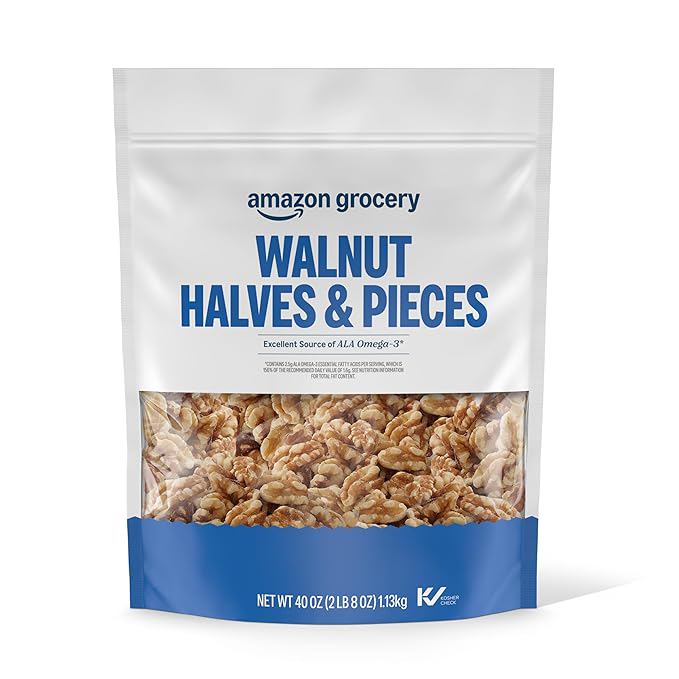
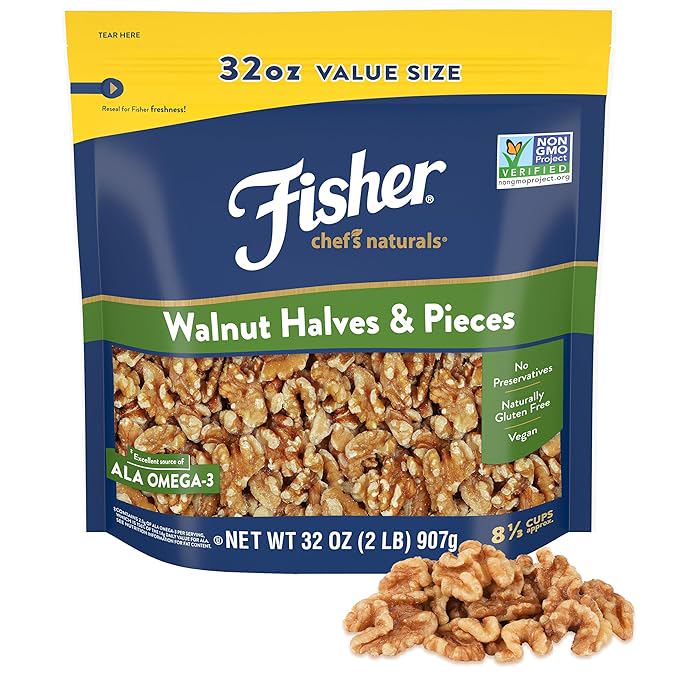
Walnuts are a convenient source of omega-3s (in the form of ALA) and copper, a mineral that supports collagen and elastin production. They also contain vitamin E, which protects cell membranes from free-radical damage. A small handful makes a perfect midday snack. Just keep portions in check — they’re calorie-dense.
How food fits into your sun-protection strategy
No single food can stop a sunburn or replace the need for broad-spectrum SPF, shade, and protective clothing. But when you consistently eat a varied diet rich in colorful produce, healthy fats, and antioxidants, you give your skin the raw materials it needs to maintain its barrier and repair itself after everyday sun exposure. Think of these foods as your internal support team — working day and night to keep your skin stronger, more resilient, and better prepared for the elements.
A smart sun plan includes sunscreen, shade, and a rainbow of skin-supporting foods. It all adds up.