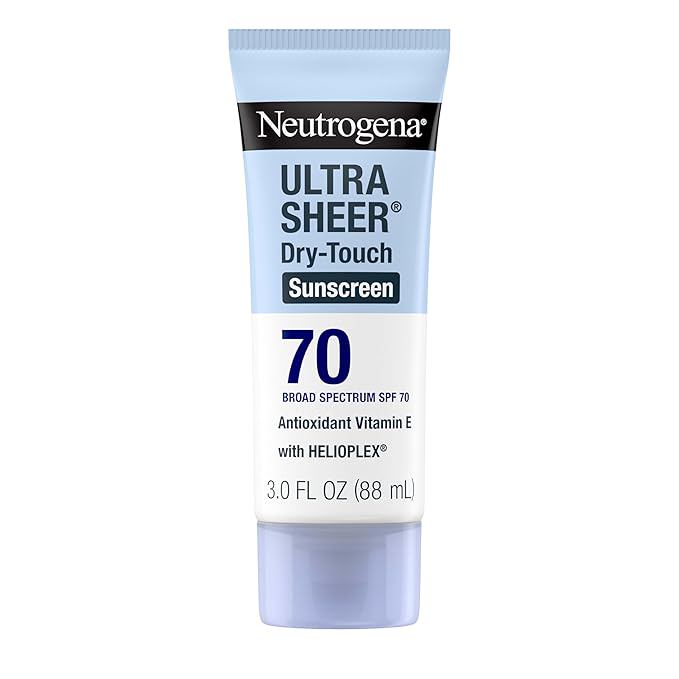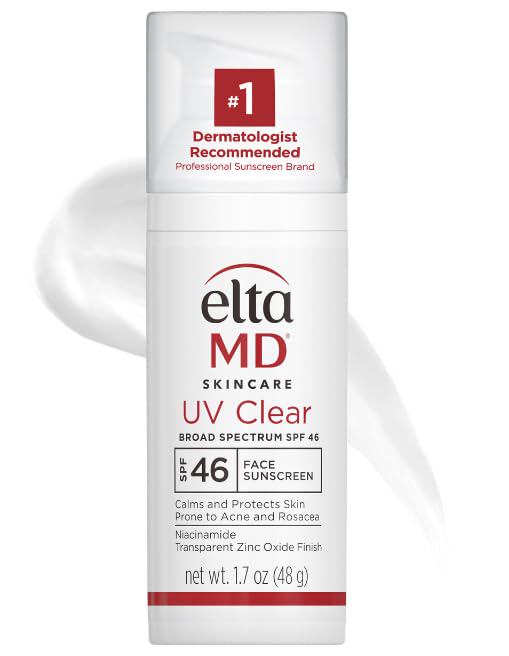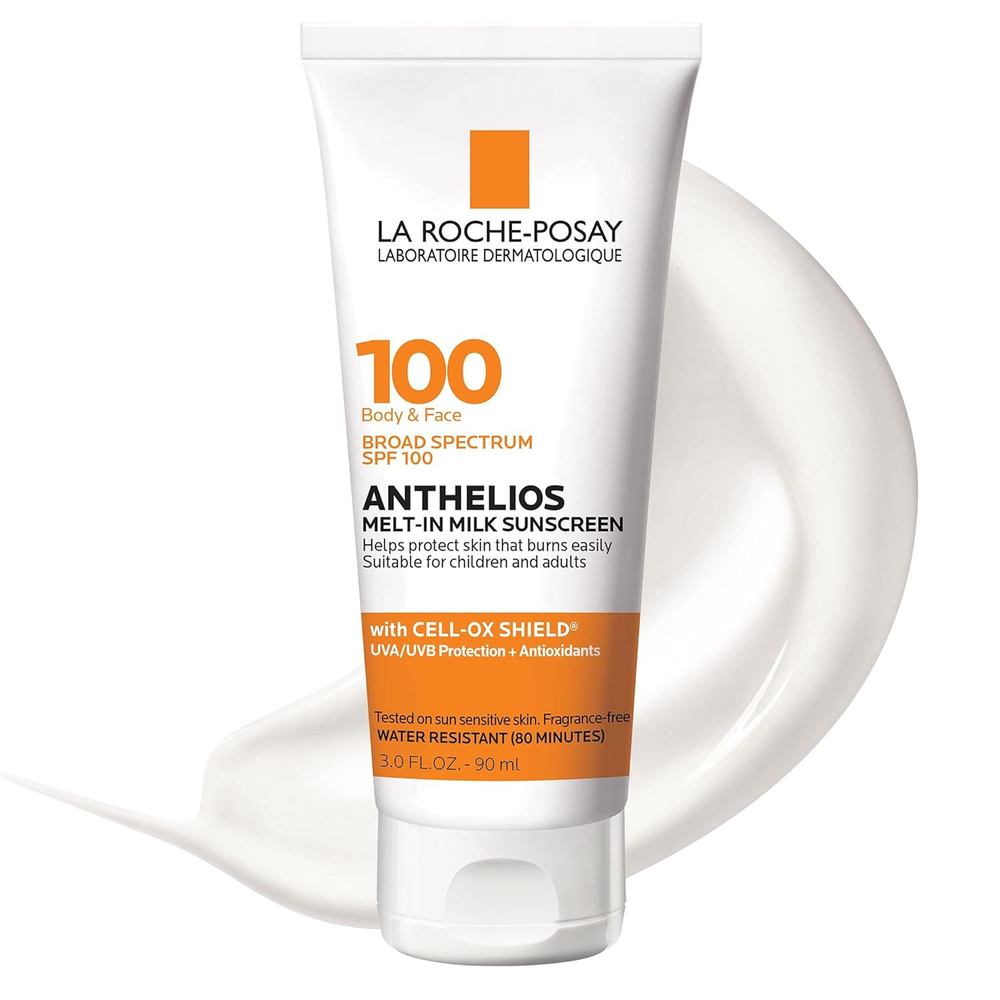
You know the sun can damage your skin—that's why you apply sunscreen before a day at the beach. But what about the UV exposure you never think about? It turns out that sneaky ultraviolet light can come from places you would never associate with the sun. These hidden sources accumulate over days, weeks, and years, contributing prematurely to wrinkles, sun spots, and even skin cancer risk. Here are surprising sources of UV damage you probably overlook every day.
1. Sunlight through windows: the indoor threat
That sunny spot by the window where you work, read, or drink your morning coffee? It may feel cozy, but standard window glass does not block all UV rays. While most glass stops UVB rays—the kind that causes immediate sunburn—UVA rays, which penetrate deeper into the skin and are linked to aging and long-term damage, can pass through car windows, home windows, and office glass. Over time, that daily dose of UVA adds up.
2. Cloudy days: the overconfidence trap
Many people skip sunscreen under a gray sky, assuming that if you cannot see the sun, it cannot hurt you. The reality is that up to 80% of UV rays can pass through clouds. A hazy or overcast day can still lead to noticeable sunburn—especially at high altitudes or near reflective surfaces like snow or water.
3. Fluorescent and halogen lighting
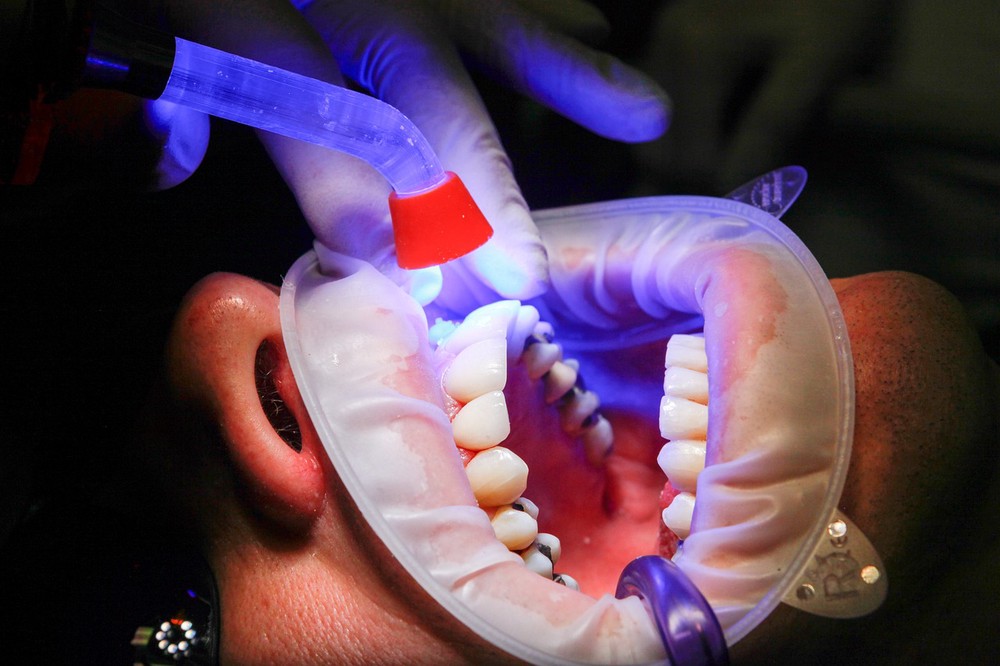
Most artificial lights emit negligible UV, but certain fluorescent tubes and halogen lamps—particularly those used in older fixtures or in commercial spaces—can emit small amounts of UVA and even some UVB. Dental curing lights, tanning beds (obviously), and some phototherapy lamps are well-known UV sources, but ordinary office lights can also contribute a tiny but real fraction to cumulative exposure.
4. Your car's side and rear windows
You may rely on your windshield (which is usually laminated to block most UV) to protect you, but side and rear windows in many vehicles are made of tempered glass that offers little UV protection. A study from JAMA Ophthalmology found that side windows block only about 44–96% of UVA, depending on the type of glass and tint. Commuters, delivery drivers, and anyone spending more than 30 minutes a day in a car should consider UV protection for their skin on the left side (where sun exposure is highest in countries where we drive on the right).
Pro tip: Apply a broad-spectrum sunscreen to your face, neck, hands, and arms even on days you'll be indoors or driving—especially if you are near windows.
5. Reflective surfaces: snow, sand, water, and concrete
Even when you think you are in the shade, UV rays can bounce off surfaces and reach your skin from below. Snow reflects up to 80% of UV (which explains why skiers get sunburn easily). Sand reflects about 15–25%, water about 10–20%, and even concrete and pavement can reflect a significant fraction. That means sitting under an umbrella on a sunny beach still exposes you to UV that bounces sideways and upward.
6. Cosmetic procedures and some skin treatments
Certain dermatological treatments—like laser skin resurfacing, chemical peels, microdermabrasion, and even some prescription creams (tretinoin, hydroquinone)—temporarily thin the stratum corneum or make skin more photosensitive. Even the simple act of exfoliating with a harsh scrub can temporarily lower your skin's natural UV shield. You don't need a sunburn to sustain damage; UVA can penetrate deeper when the outer layer is compromised.
7. Being near water or snow without sunscreen
This might sound obvious, but many people still underestimate it because they don't feel hot. On a cool but bright day, you may not apply sunscreen because you can't feel the heat. But UV intensity is unrelated to temperature. You can get a sunburn on a 50°F day in the mountains or on the water if the UV index is moderate or high.
The takeaway here is not to be alarmed, but to be aware. Most of these sources are low-level, but they accumulate over a lifetime. The smartest strategy: wear a broad-spectrum (UVA/UVB) sunscreen of at least SPF 30 on all exposed skin every day—rain or shine, indoors or out. Reapply every two hours when outdoors, and consider UPF-rated window film or clothing if you have heavy daily exposure in a car or near windows. Your future skin will thank you.