You apply sunscreen every morning — or you think you do. But between cloudy summer days, midday touch-ups, and the demands of different skin types, it's easy to let small gaps creep in. A sunscreen routine that looks good on paper may leave your skin more exposed than you realize. Here are seven signs that your approach may need a refresh.
1. You only apply once — and call it done
Sunscreen isn't a set-it-and-forget-it product. Most formulas start to break down after about two hours of sun exposure, and even water-resistant versions lose effectiveness after swimming or heavy sweating. If you apply in the morning and never reapply, you're leaving your skin unprotected for most of the day. A good rule of thumb is to set a midday reminder, especially if you're outdoors, near windows, or driving.
2. You think clouds block UV rays
Overcast skies can be misleading. Up to 80 percent of the sun's ultraviolet rays can penetrate cloud cover, which means your skin is still getting hit even when the sun isn't visible. If you skip sunscreen on gray days, your skin is absorbing that exposure without any defense. Make sunscreen a daily habit regardless of the forecast — your skin doesn't know it's cloudy.
3. You use the wrong formula for your skin type
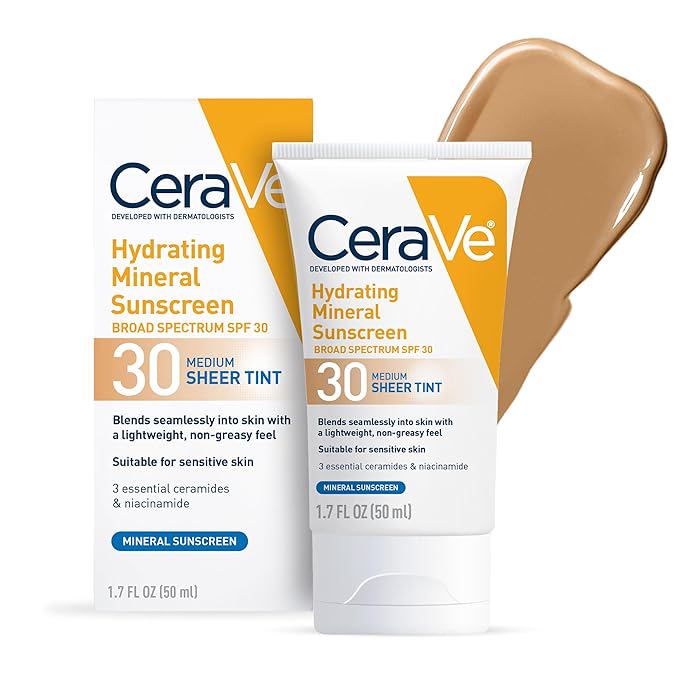
If your sunscreen feels greasy, stings your eyes, or triggers breakouts, you're far less likely to reach for it. The best sunscreen is the one you'll actually wear every day. For oily or acne-prone skin, try a gel-based, oil-free, or matte-finish formula. If you have dry skin, look for a moisturizing sunscreen with ingredients like glycerin or ceramides. Sensitive skin often tolerates mineral sunscreens with zinc oxide or titanium dioxide.
4. You skip the often-missed spots
Most people remember their face, arms, and legs. But the ears, back of the neck, tops of the feet, eyelids, and the part in your hair often get missed. These areas get a surprising amount of sun and are common spots for sun damage. The next time you apply, go through a mental checklist of every exposed patch of skin — including the ones you can't easily see.
5. You use too little — and spread it too thin
You need about a shot-glass full for your body and a nickel-sized dollop for your face alone. Most people use far less than that, which slashes the SPF protection they think they're getting. If your sunscreen disappears into your skin without leaving any visible film at all, you're probably under-applying. Be generous and reapply if you rub it in too thoroughly.
6. Your sunscreen is expired or was stored poorly
Sunscreen has a shelf life — usually about three years from the manufacturing date. But if you left the bottle in a hot car or on a sunny windowsill, the ingredients can degrade much faster. Heat and direct light break down the active compounds, making your sunscreen less effective or even useless. Check the expiration date and store bottles in a cool, shaded spot. If the texture changes or separates, replace it.
7. You only think about UVB — but UVA matters too
SPF numbers refer mainly to protection against UVB rays, the kind that cause sunburn. But UVA rays penetrate deeper and contribute to premature aging and skin damage over time. You need a 'broad spectrum' sunscreen that protects against both. If your bottle doesn't say broad spectrum, you're only getting half the protection. Look for that label — it's not optional.
A quick check-in: Your sunscreen routine doesn't have to be perfect. But small, consistent adjustments — like reapplying mid-afternoon or choosing a formula you actually like — make a real difference over weeks, months, and years. Check in with yourself every few weeks and adjust based on your skin's feedback and your daily sun exposure.