
Sun spots — those flat, tan-to-brown patches that creep onto the face, hands, and chest — are one of the most visible signs of cumulative sun exposure. They aren’t harmful in themselves, but they signal that your skin has absorbed a fair amount of UV radiation over the years. The good news: you can prevent them more effectively than you can erase them. Here are the strategies that research consistently shows make a real difference.
1. Broad-Spectrum Sunscreen, Applied the Right Way
This is the baseline, and studies back it unequivocally. A 2018 study in Photodermatology, Photoimmunology & Photomedicine found that daily use of broad-spectrum SPF 30 or higher significantly reduced the formation of new solar lentigines (the medical term for sun spots) over a two-year period. The key details: you need to apply about a teaspoon to the face and neck, and reapply every two hours if you’re outdoors. “Broad-spectrum” means it protects against both UVA (which causes aging and pigmentation) and UVB (which burns). Many people skip the ears, the back of the hands, and the neck — all high-risk zones.
2. Add Iron Oxide to Your Sunscreen Routine
If you are serious about prevention and spend time in strong sunlight, there is increasingly compelling evidence that visible light (especially blue light from the sun and screens) contributes to hyperpigmentation, particularly in darker skin tones. Standard sunscreens do not block visible light well, but iron oxide — the pigment in mineral-based tinted sunscreens — does. A 2020 review in the Journal of the American Academy of Dermatology highlighted that adding an iron-oxide-containing product over your regular sunscreen offers extra protection against melasma and sun-spot formation. For everyday use, a tinted moisturizer with SPF 30+ and iron oxide is a practical choice.
3. Wear UPF Clothing on High-Exposure Days
You can’t apply sunscreen perfectly every hour, especially on your body. That’s where sun-protective clothing comes in. Look for garments labeled with a UPF (Ultraviolet Protection Factor) of 50+. A 2021 study in JAMA Dermatology noted that UPF clothing reliably blocks more than 98% of UV radiation, effectively preventing the repeated subclinical sun damage that leads to spots over time. A wide-brimmed hat (at least a 3-inch brim all around) is non-negotiable for the scalp, ears, and forehead.
4. Keep a “Sun Diary” on Your Phone
We often underestimate cumulative exposure. Commutes, sitting near a window, walking the dog at noon — these small doses add up. One practical prevention strategy that dermatologists now recommend is tracking your sun exposure with a simple app (like the UV Index feature on weather apps or dedicated ones). A 2022 behavioral study in Preventive Medicine Reports found that people who checked the UV index daily and set a photo-reminder were significantly more likely to reapply sunscreen and limit midday sun. The habit takes 10 seconds and builds awareness faster than any lecture.
5. Antioxidants: More Than Just a Buzzword
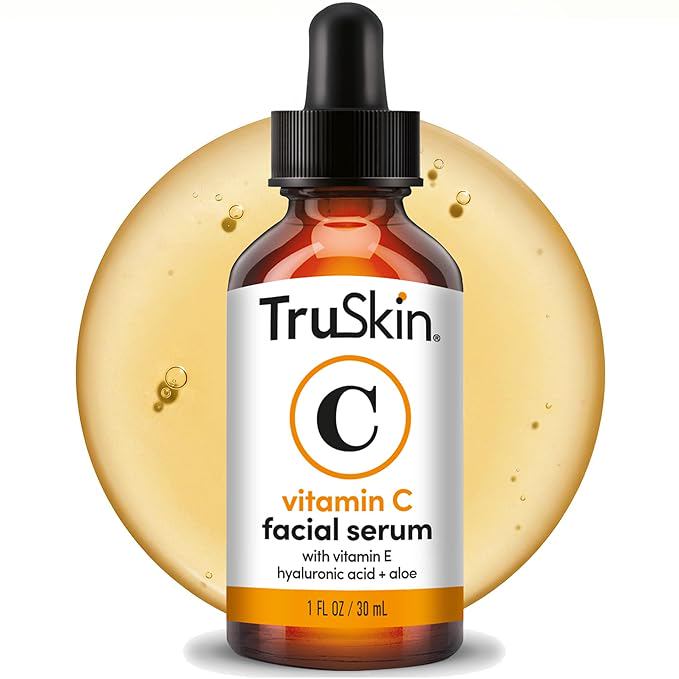
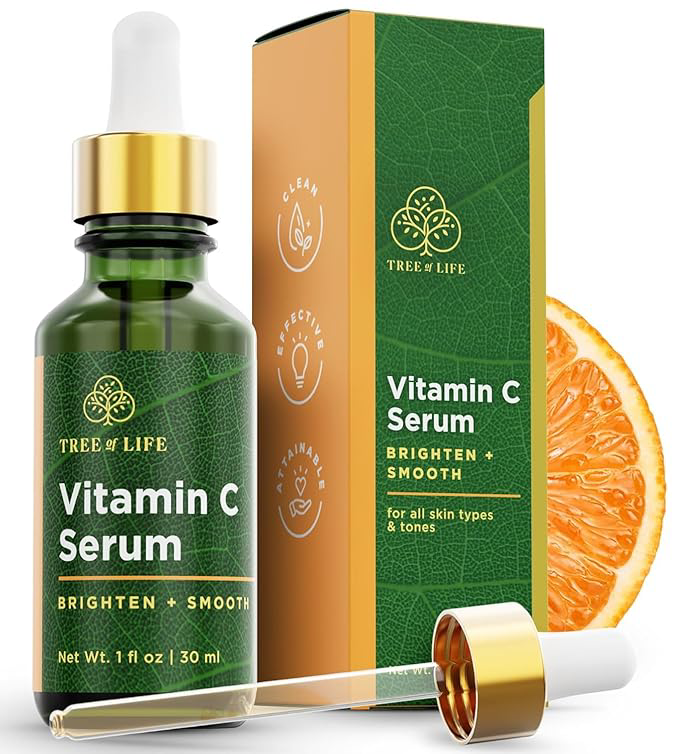
Topical antioxidants work inside the skin to neutralize free radicals generated by UV exposure before they can trigger melanocyte overactivity. The most studied are vitamin C (L-ascorbic acid), vitamin E, and ferulic acid. A classic 2005 study in the Journal of the American Academy of Dermatology (still widely cited) showed that a combination of 15% vitamin C, 1% vitamin E, and 0.5% ferulic acid provided significant protection against UV-induced pigmentation — about four times the protection of vitamin E alone. Apply an antioxidant serum under your sunscreen every morning. It’s not a replacement for SPF, but it layers protection.
6. Avoid Tanning Beds Entirely
This might seem obvious, but the link between tanning beds and sun spots is direct and well-documented. The UVA emitted by tanning beds is particularly efficient at causing photoaging and spotty pigmentation. A 2014 meta-analysis in JAMA Dermatology found that people who used tanning beds at all had a 67% higher risk of developing pigmentary abnormalities. The dose-response effect was clear: more sessions meant more spots. You never need a tanning bed for vitamin D — the risks far outweigh any benefit for skin appearance.
7. Retinoids for Long-Term Cell Turnover
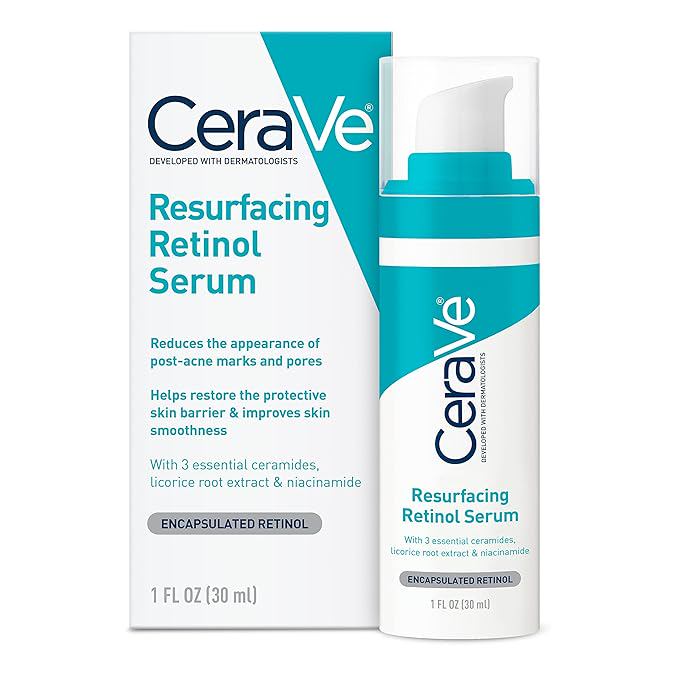
While not a direct “sun block,” retinoids (such as over-the-counter retinol or prescription tretinoin) accelerate skin cell turnover, which helps shed cells carrying early pigmentary changes before they become visible spots. A 2016 review in Dermatology and Therapy confirmed that consistent use of retinoids over months can reduce the density and visibility of existing sun spots and may help prevent new ones from forming by normalizing melanocyte activity. Start with a low concentration (0.25% to 0.3% retinol) a few nights a week, always with sunscreen the next morning. Retinoids increase photosensitivity, so this combination is essential.
A calm note: You don’t need to adopt all seven at once. Start with number one — consistent, thorough sunscreen use — and add one more layer every month. Prevention is a slow game, and that’s exactly why the evidence favors small, daily actions over expensive spot treatments later.