
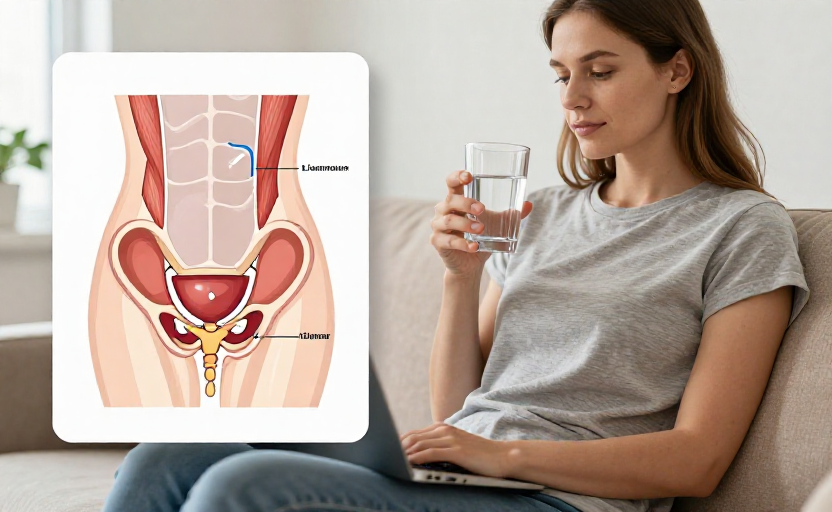
Urinary incontinence is one of those topics that people often suffer with in silence. You might find yourself avoiding long car rides, skipping exercise classes, or mapping every restroom in a grocery store before you even start shopping. The good news is that you don't have to reach for a prescription pad to find relief. Many effective, natural strategies can help you regain control and confidence without medication.
Before exploring these approaches, it is worth understanding that incontinence is not a normal part of aging—it is a treatable condition. Whether you experience occasional leaks when you cough or sneeze (stress incontinence) or a sudden, overwhelming urge to urinate (urge incontinence), these seven methods can help strengthen the pelvic floor, calm an overactive bladder, and reduce the number of trips to the bathroom.
1. Train Your Bladder for Better Control
Bladder training is a behavioral technique that gradually increases the amount of time between bathroom visits. The goal is to convince your bladder that it can hold more urine without sending urgent signals to your brain.
To start, keep a log of your bathroom trips for a few days. Note how often you go and how much urgency you feel. Then, pick a baseline interval—typically about one hour—and try to hold your urine for that exact amount of time. As you succeed, extend the interval by fifteen minutes each week until you can comfortably wait three to four hours between visits.
Bladder training takes patience, but it can be remarkably effective. Many people see improvement within a few weeks, especially when combined with other natural strategies.
2. Master Pelvic Floor (Kegel) Exercises
Kegel exercises strengthen the pelvic floor muscles that support the bladder and urethra. When these muscles are weak, even a small amount of pressure from a laugh, cough, or sneeze can cause leakage. This is called stress incontinence, and it is the most common type of incontinence in women.
To find your pelvic floor muscles, try stopping the flow of urine mid-stream—but do this only to identify the muscle group, not as a regular exercise. Once you have located them, practice tightening these muscles for three to five seconds, then release for a full five-second rest. Aim for three sets of ten repetitions each day.
Consistency matters more than intensity. Just five minutes of Kegels twice a day can yield noticeable improvement in six to eight weeks.
Men can also benefit from pelvic floor exercises, especially after prostate surgery. They follow the same technique: squeeze as if you are trying to prevent gas, hold for a few seconds, and relax.
3. Adopt a Bladder-Friendly Diet
What you eat and drink can directly affect bladder function. Some foods and beverages irritate the bladder lining, causing urgency and frequency. Common triggers include:
- Caffeine (coffee, tea, soda, and chocolate)
- Alcohol
- Spicy foods
- Artificial sweeteners
- Citrus fruits and juices
- Carbonated beverages
- Tomato-based products
Most bladder irritants are not harmful to your health in the traditional sense, but they stimulate the detrusor muscle—the smooth muscle that contracts the bladder—leading to unwanted urgency and leakage. A simple elimination diet can help you identify your personal triggers. Remove all suspected foods for two weeks, then reintroduce them one at a time while noting any changes in symptoms.
Also, consider how much you drink during the day. Many people with incontinence start drinking less water to avoid leaks, which actually worsens the problem by concentrating urine and making it more irritating. Aim for about six to eight glasses of water spread evenly throughout the day, but reduce intake in the two hours before bedtime.
4. Try Timed Voiding
While bladder training is about increasing intervals, timed voiding is the opposite: you schedule bathroom trips so your bladder never gets too full. If you feel the urge to go every two hours, set a timer and visit the bathroom every hour and a half, well before the sensation hits.
This technique is particularly helpful for urge incontinence, where the bladder contracts suddenly and strongly. By emptying the bladder before it signals urgency, you can reduce leaks and regain a sense of control. Over several months, you can gradually lengthen the intervals as your bladder learns to be less reactive.
5. Maintain a Healthy Weight
Excess body weight can add pressure on the bladder and pelvic floor muscles, making incontinence worse. This is especially true for women who have had multiple pregnancies or vaginal deliveries.
Research shows that losing just 5 to 10 percent of your body weight can significantly reduce the number of weekly incontinence episodes. A balanced diet rich in fiber (to prevent constipation) combined with low-impact exercise can help achieve this goal without putting extra strain on the pelvic floor. Walking, swimming, and stationary cycling are excellent choices because they strengthen the legs and cardiovascular system without jarring the bladder.
6. Avoid Constipation
Chronic constipation is a hidden contributor to incontinence. When the rectum is full of stool, it presses directly against the bladder and urethra, making it harder for the pelvic floor muscles to support these structures. The result is often leakage, especially during physical activity.
To keep things moving, increase your daily fiber intake through foods like oatmeal, chia seeds, pears, broccoli, and legumes. Drink plenty of water—fiber needs water to be effective—and stay physically active. If you are already practicing Kegels, doing them while straining on the toilet can actually weaken the pelvic floor, so always empty your bowels before you start your pelvic exercises.
7. Use Absorbent Products Smartly
Absorbent pads, liners, and underwear can help you stay active and confident, but they should be used thoughtfully. The goal is to manage moisture without relying on these products as a crutch that masks an underlying problem that could be treated.
Look for products designed for incontinence, not period underwear. Incontinence pads are engineered to wick moisture away from the skin and neutralize odor quickly. Change them frequently to prevent skin irritation and urinary tract infections. Many people find that using a light liner for occasional stress leaks allows them to walk, jog, or lift weights without worry, while still working on the underlying muscle strength needed for full recovery.
A note of caution: If you experience sudden, severe leakage, blood in the urine, or pain during urination, consult a healthcare provider. These symptoms can indicate a urinary tract infection, nerve damage, or other conditions that require medical attention.
Natural approaches to incontinence are not about perfection—they are about progress. Most people see meaningful improvement by combining two or three of these strategies, and they often feel better physically and emotionally simply because they are finally doing something about the problem. Start with one technique that feels manageable, build from there, and know that you are taking a proactive step toward a fuller, freer life.