Managing your blood sugar doesn't have to mean spending hours in the kitchen or following complicated recipes. Often, the simplest approach is the most sustainable. The secret lies not in a single miracle food, but in building a pantry of reliable, versatile staples that make putting together a balanced meal quick and stress-free.
These are the ingredients you can reach for on a busy Tuesday evening to create something satisfying that supports your well-being. They help you build plates with a good mix of fiber, healthy fats, and protein—the trio that helps slow the absorption of carbohydrates and keeps energy levels steady.
What makes a kitchen staple diabetes-friendly?
Think of your ideal staples as multitaskers. They should be nutrient-dense, meaning they pack a lot of vitamins, minerals, or fiber relative to their calorie count. They should also be low in added sugars and refined carbohydrates. Most importantly, they need to be genuinely useful—ingredients you can use in multiple ways so they don't languish in the back of your cupboard.
The goal is to have options that let you assemble a meal quickly, reducing the temptation for less-balanced convenience foods.
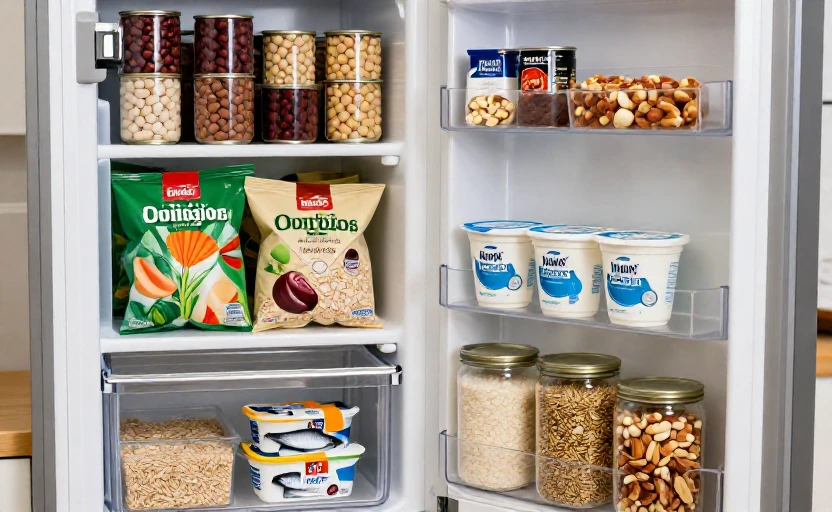
Your go-to list of 7 versatile staples
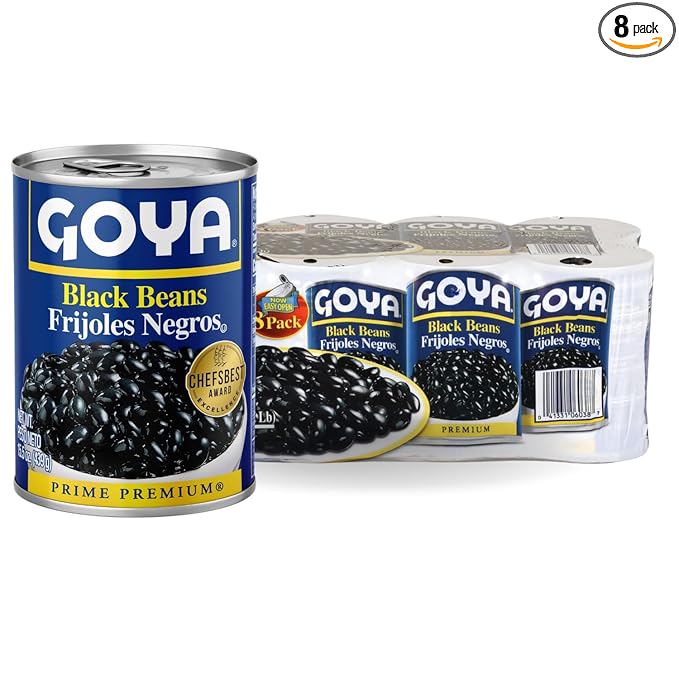
Canned beans and lentils
These are perhaps the ultimate hurry-up staple. A can of beans—like black beans, chickpeas, or kidney beans—is a ready-to-use source of plant-based protein and significant fiber. The fiber is key, as it helps blunt the blood sugar response.
Rinse them under cold water to reduce sodium, then add them to salads, scramble them into eggs, mash them for a quick spread on whole-grain toast, or toss them into a soup. They add heft and staying power to any meal with minimal effort.
Frozen vegetables (without sauces)
Frozen vegetables are frozen at peak freshness, locking in nutrients. They eliminate washing and chopping, which is a major time-saver. Keep a mix of basics like spinach, broccoli florets, and bell pepper strips, as well as blends like a “stir-fry mix” or “California blend.”
You can steam them in minutes in the microwave, sauté them directly from frozen in a pan with a little olive oil, or throw a handful into a simmering pot of soup or pasta sauce to instantly boost the fiber and volume of your meal.
Having frozen vegetables on hand turns “I have nothing to eat” into a solved problem in five minutes.
Rolled or steel-cut oats
Oats are a whole grain rich in a specific type of soluble fiber called beta-glucan, which has been shown to help improve insulin sensitivity and lower blood sugar spikes. While great for breakfast, they’re surprisingly versatile for other meals, too.
Use rolled oats to make a quick savory porridge with veggies and an egg, blend them into a flour for pancakes, or use them as a binder in meatballs or veggie burgers instead of breadcrumbs.
Canned fish (like tuna, salmon, or sardines)
This is a lean protein source that requires zero cooking. Look for options packed in water or olive oil. A can of tuna or salmon can be the centerpiece of a lunch salad, mixed with avocado for a sandwich filling, or tossed with whole-grain pasta, lemon, and those frozen vegetables.
It provides high-quality protein and healthy fats to create a balanced, satisfying meal in literally the time it takes to open the can.
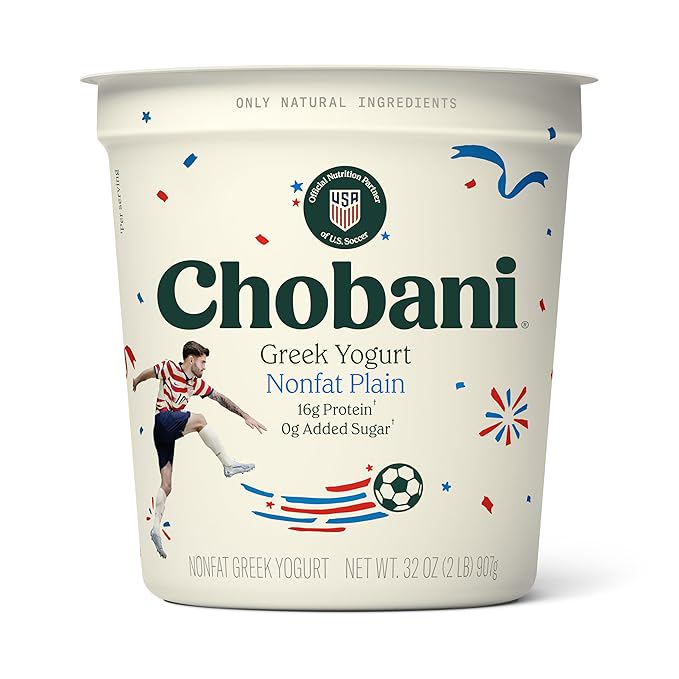
Plain Greek yogurt or skyr
Thicker and higher in protein than regular yogurt, plain Greek yogurt is a powerhouse. The protein helps with satiety and blood sugar management. Its tangy flavor and creamy texture make it a fantastic substitute for sour cream, mayonnaise, or even some of the cheese in a recipe.
Use it as a base for a quick dip with herbs, a creamy dressing for a salad, a topping for a baked potato with chives, or mixed with berries and a sprinkle of nuts for a balanced snack.
Whole grains: Quinoa and farro
These whole grains cook relatively quickly (about 15-20 minutes) and can be made in larger batches to last several days. They have a lower glycemic index than white rice or pasta and offer more fiber and protein.
Use cooked quinoa or farro as a bed for stir-fries and stews, as the base for a grain salad with chopped veggies and a vinaigrette, or stirred into soup for extra substance. Their nutty flavor and chewy texture make meals more interesting.
Nuts and seeds
A small handful of nuts or a sprinkle of seeds adds healthy fats, a little protein, and crunch. They’re a flavor and texture booster that also helps slow down digestion. Keep almonds, walnuts, or pecans for snacking or chopping, and have seeds like pumpkin, sunflower, or chia on hand.
Add them to yogurt, oatmeal, salads, or steamed vegetables. A tablespoon of chia seeds stirred into a glass of water or yogurt can make a quick, fiber-rich pudding.
How to use these staples together
The magic happens when you combine two or three staples from different categories. This builds the balanced plate that is so helpful for glucose management.
- The 10-Minute Bowl: Start with a base of pre-cooked quinoa or farro. Top with a handful of frozen, steamed broccoli, a scoop of rinsed canned beans, and a dollop of plain Greek yogurt mixed with lemon juice and dill.
- The No-Cook Lunch: Mix a can of tuna with chopped celery and a bit of Greek yogurt. Serve it over a large bed of pre-washed salad greens with sliced cucumber and a sprinkle of sunflower seeds.
- The Speedy Dinner: Sauté a frozen stir-fry vegetable mix in olive oil. Add a couple of beaten eggs and scramble. Serve with a side of quick-cook rolled oats you’ve prepared as savory porridge.
Your kitchen doesn’t need to be full of exotic ingredients. By keeping these seven practical staples consistently on hand, you give yourself the tools to create countless meals that are as good for your time as they are for your health.