
When your blood sugar runs high, every food choice feels like a decision that matters—because it does. Hyperglycemia, whether it’s from diabetes, prediabetes, or a temporary spike, asks your body to work harder than it should. The good news is that you don't need a restrictive, joyless diet to bring things back into balance. Instead, you can focus on foods that naturally slow down glucose release, keep you satisfied longer, and help your body handle its own insulin better.
These seven foods are backed by solid nutrition science and are practical for real-world eating. They work by combining fiber, healthy fats, protein, or specific compounds that blunt blood sugar rises. None are magic bullets—no single food replaces medical care—but each one earns its place on a steady-blood-sugar plate.
1. Leafy greens and cruciferous vegetables
Spinach, kale, Swiss chard, broccoli, and cauliflower are some of the lowest-impact vegetables you can eat. Their carbohydrate content is minimal, and what they do contain is wrapped in fiber that slows digestion. Beyond that, these vegetables are rich in magnesium, which plays a direct role in glucose metabolism. Low magnesium levels are linked to higher blood sugar and poorer insulin sensitivity, so eating magnesium-rich greens is a straightforward way to support your body’s regulation system.
Try sautéing a big handful of spinach with garlic and olive oil as a base for lunch or dinner. Steam broccoli until just tender and toss it with a squeeze of lemon. The goal is volume without the carb load—these vegetables fill your plate without filling your glucose meter.
2. Legumes: lentils, chickpeas, and beans
Lentils, chickpeas, black beans, and kidney beans are some of the best carbohydrate sources for people managing hyperglycemia. Why? They have a low glycemic index, meaning they don't cause a rapid glucose spike. That’s because legumes combine complex carbohydrates with substantial fiber and protein. The fiber slows stomach emptying and sugar absorption, while protein promotes satiety and moderates the body’s insulin response.
A half-cup serving of cooked lentils contains roughly 18 grams of carbohydrate but also 8 grams of fiber and 9 grams of protein. Compare that to white rice, which offers less than a gram of fiber for a similar carb count. Make lentil soup, toss chickpeas into salads, or blend them into hummus. Legumes are also budget-friendly and shelf-stable, making them an easy pantry staple.
Tip: Rinse canned beans to remove excess sodium, which can complicate blood pressure management—a common concern alongside hyperglycemia.
3. Whole grains with intact fiber
Not all grains are problematic. The key is choosing grains that still have their bran and germ—the parts that hold fiber, B vitamins, and minerals. Steel-cut oats, quinoa, farro, barley, and brown rice are good options. When you eat intact whole grains, the fiber forms a gel-like matrix in your digestive tract that physically slows carbohydrate breakdown and glucose release.
Barley and oats contain beta-glucan, a soluble fiber that has been shown to improve glycemic control in multiple studies. Quinoa offers a complete protein profile along with its fiber, helping to stabilize blood sugar further. Serve these grains alongside vegetables and a lean protein. Keep portions reasonable—about half a cup cooked is a good starting point—and let the other food groups fill the rest of your plate.
4. Nuts and seeds
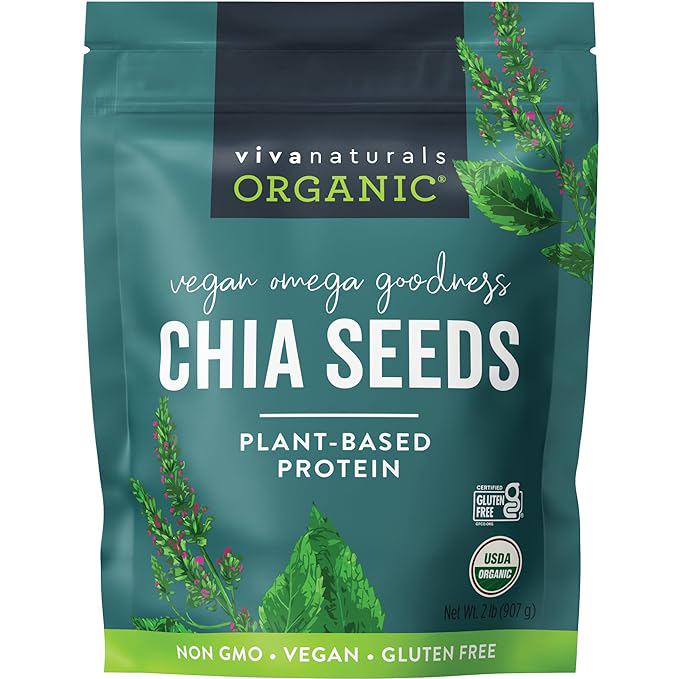
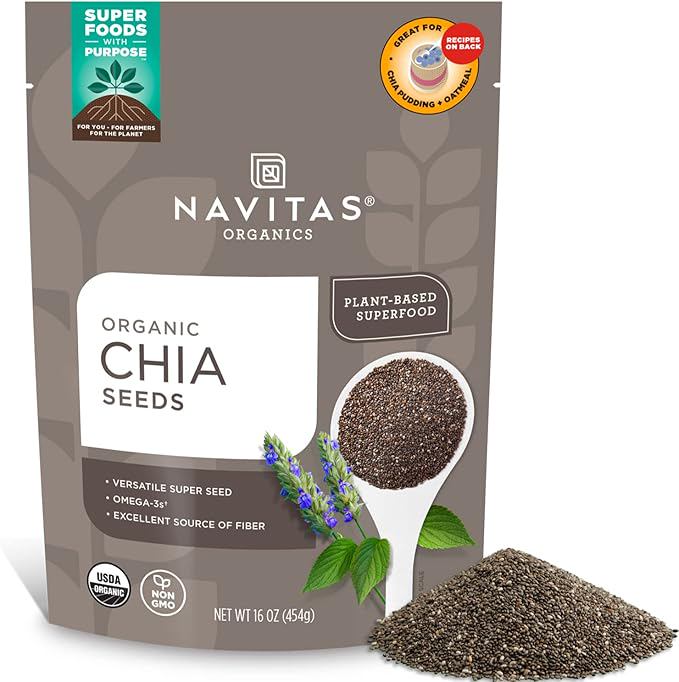
Almonds, walnuts, pistachios, flaxseeds, chia seeds, and pumpkin seeds are nutrient-dense and carbohydrate-poor. They provide healthy unsaturated fats, protein, and fiber, all of which contribute to glucose stability. Fats and protein slow gastric emptying, meaning sugar enters your bloodstream more gradually after a mixed meal.
Several studies have found that adding a handful of almonds or walnuts to a carbohydrate-rich meal blunts the post-meal blood sugar rise. Chia seeds, in particular, form a gel when soaked that further slows digestion. Sprinkle ground flax over yogurt or oatmeal, keep a small bag of mixed nuts in your bag for snacks, or add seeds to salads. Just be mindful of portion sizes—nuts are calorie-dense, so a small handful (about 1 ounce) is enough.
5. Fatty fish
Salmon, mackerel, sardines, herring, and trout offer high-quality protein and long-chain omega-3 fatty acids (EPA and DHA). Omega-3s are known for their anti-inflammatory properties, and chronic low-grade inflammation is a driver of insulin resistance and poor blood sugar control. While the effect on glucose isn’t immediate, regular consumption of fatty fish supports the cellular environment your body needs to manage insulin effectively.
Aim for two servings per week. Bake salmon with herbs and a lemon slice, grill mackerel, or mash sardines into a spread on whole-grain toast. Canned fish makes this easier: keep a can of wild salmon or sardines in your pantry for a quick protein boost that doesn’t involve carbohydrates at all.
6. Berries
When you crave something sweet, fresh or frozen berries are the most blood-sugar-friendly fruit option. Strawberries, blueberries, raspberries, and blackberries are relatively low in sugar compared to bananas, grapes, or mangoes. More importantly, they are packed with soluble fiber and polyphenols—plant compounds that may improve insulin sensitivity and reduce glucose absorption.
Research specifically on blueberries has shown they can improve insulin action in insulin-resistant individuals when eaten regularly. Eat them plain, toss a handful into unsweetened yogurt, or add them to oatmeal. Their sweetness feels indulgent without causing the sharp spike that processed sweets bring. Frozen berries work just as well as fresh and are often more affordable.
7. Unsweetened yogurt and kefir
Dairy products that are fermented and unsweetened provide protein, calcium, vitamin D, and probiotics. The protein in yogurt—especially Greek or Icelandic skyr—slows the digestion of any accompanying carbohydrates. The probiotics may play a supporting role in glucose metabolism by influencing gut bacteria composition. An imbalanced gut microbiome has been linked to increased inflammation and poorer glycemic control.
Choose plain, whole-milk or low-fat yogurt with no added sugar. Flavored yogurts are essentially desserts in disguise, often containing 15–20 grams of added sugar per serving. Sweeten your yogurt with a handful of berries or a sprinkle of cinnamon. Kefir, a fermented milk drink, offers similar benefits and can be used in smoothies or drunk on its own.
Bringing these foods into your meals doesn't require a complete overhaul. Swap one item at a time: replace a refined-grain side with lentils, top your morning oatmeal with nuts and berries instead of syrup, and make leafy greens a staple at dinner. Small, consistent choices add up to steadier glucose and a more relaxed relationship with food. As always, monitor your blood sugar and work with your healthcare team to tailor any dietary changes to your specific needs.