
Menopause brings a cascade of changes, and for many women, joint pain becomes an unwelcome companion. Declining estrogen can increase inflammation, making knees, fingers, and hips feel stiff and achy. While no single food is a miracle cure, dietitians point to specific nutrients that can help calm that inflammatory response and support joint health from the inside out.
Here are seven foods worth adding to your plate — not as a quick fix, but as part of a steady, nourishing approach to feeling more comfortable in your body during this transition.
1. Fatty fish for omega-3s
Salmon, mackerel, sardines, and anchovies are rich in EPA and DHA, two long-chain omega-3 fatty acids that help reduce systemic inflammation. Dietitians often recommend two servings per week. For women who don't eat fish, an algae-based omega-3 supplement can be a good alternative — but always check with your healthcare provider first.
2. Leafy greens for vitamin K and magnesium
Kale, spinach, Swiss chard, and collard greens deliver vitamin K, which plays a role in bone metabolism and may help reduce inflammatory markers. Magnesium in these greens supports muscle relaxation and better sleep — both relevant when joint pain makes rest elusive. A big handful in a smoothie or sautéed as a side dish works well.
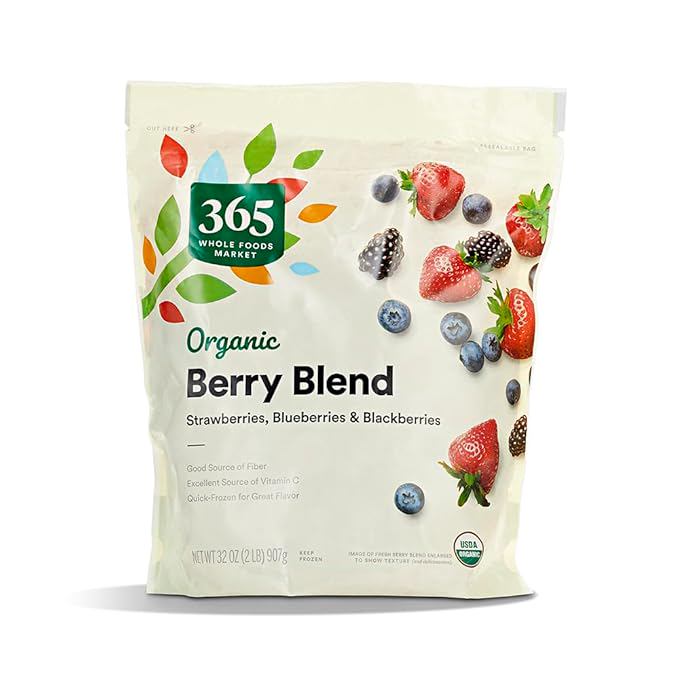
3. Berries for antioxidants
Blueberries, strawberries, raspberries, and blackberries contain anthocyanins — compounds that can lower levels of inflammatory proteins linked to arthritis and joint stiffness. Frozen berries are just as nutritious as fresh, so it's easy to add them to oatmeal, yogurt, or a simple parfait year-round.
4. Cruciferous vegetables for sulforaphane
Broccoli, cauliflower, Brussels sprouts, and cabbage contain sulforaphane, a compound that has been studied for its ability to block inflammation pathways. Some research suggests it may even slow cartilage damage. Try roasting them for a sweeter flavor, or add them to stir-fries and grain bowls.
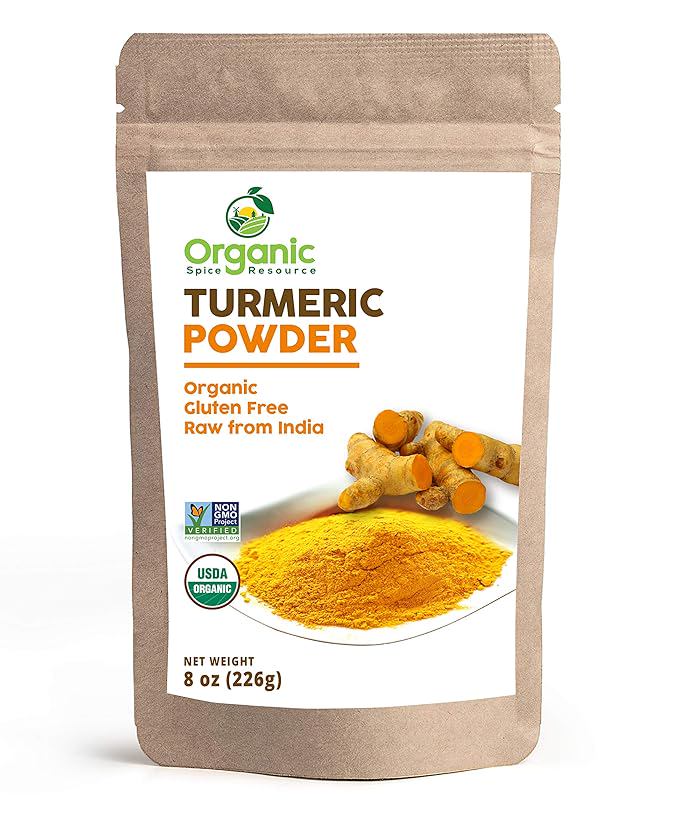
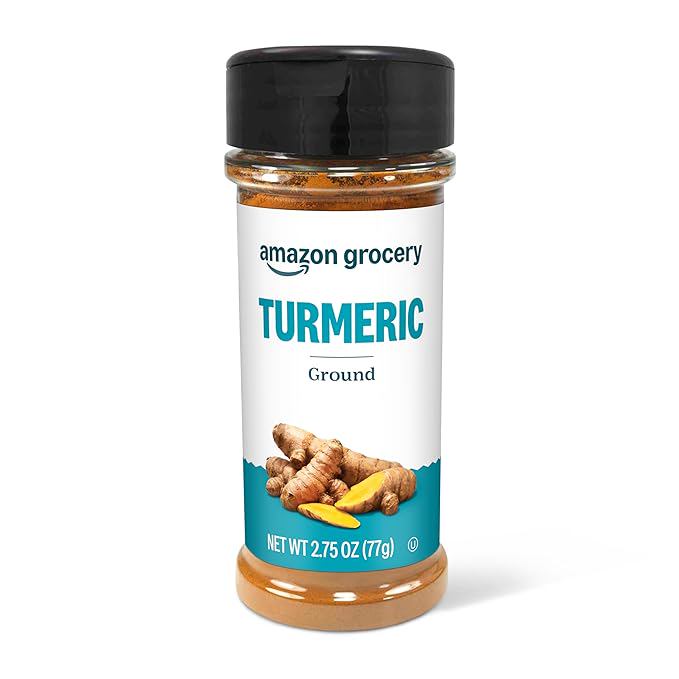
5. Turmeric and ginger for natural anti-inflammatories
These two spices have been used for centuries for their pain-relieving properties. Curcumin, the active compound in turmeric, can reduce inflammatory markers, while gingerol in fresh ginger may help decrease daily pain levels. Pair turmeric with black pepper to boost absorption. A warm tea made with fresh ginger and turmeric paste is a simple, soothing ritual.
6. Nuts and seeds for omega-3s and vitamin E
Walnuts, flaxseeds, chia seeds, and almonds are excellent plant-based sources of alpha-linolenic acid (ALA), a type of omega-3. They also provide vitamin E, an antioxidant that helps protect cells from inflammatory damage. A small handful as a snack or a tablespoon of ground flaxseed stirred into oatmeal or yogurt is enough.
7. Extra-virgin olive oil for oleocanthal
Extra-virgin olive oil contains oleocanthal, a compound that works similarly to ibuprofen by inhibiting inflammation enzymes. Choosing EVOO over butter or other processed fats can make a meaningful difference over time. Drizzle it over vegetables, use it in salad dressings, or finish roasted dishes with a swirl.
A quick note: A whole-foods eating pattern — rich in vegetables, fruits, quality fats, and lean protein — has more impact than focusing on any one ingredient. And if joint pain persists, speak with a healthcare provider or a registered dietitian who specializes in menopause to tailor a plan that fits your history and needs.