Menopause brings a host of changes, and for many women, one of the most frustrating is the sudden fuzziness in thinking—often called brain fog. You might find yourself walking into a room and forgetting why, struggling to recall a familiar name, or feeling like your mental clarity has taken a nosedive. This cognitive cloudiness is real, driven by shifting estrogen levels that affect memory, focus, and information processing. While it's a common symptom, the good news is that your diet can offer meaningful support. The right foods provide nutrients that your brain craves to stay sharp, resilient, and clear.
Here are seven evidence-backed foods that can help sharpen memory and reduce brain fog during menopause. Think of these as tools to nourish your brain through this transition.
1. Fatty fish for omega-3 power
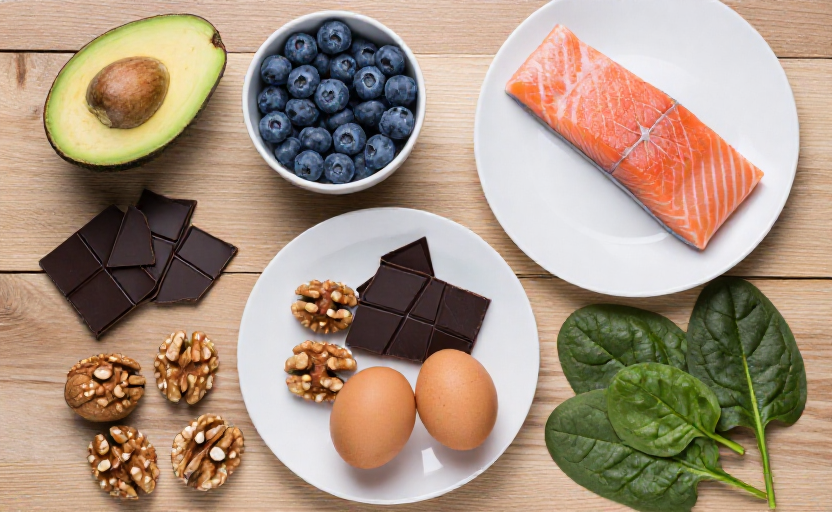
Cold-water fatty fish like salmon, mackerel, sardines, and trout are rich in docosahexaenoic acid (DHA), an omega-3 fatty acid that is a core structural component of the brain. DHA is directly linked to better memory and learning. During menopause, declining estrogen can reduce the brain's ability to use DHA efficiently, making dietary sources even more critical. Aim for two servings per week. If you don't eat fish, high-quality algae-based omega-3 supplements can offer a similar benefit.
2. Blueberries and berries for antioxidant protection
Berries, especially blueberries, are packed with flavonoids called anthocyanins. These compounds cross the blood-brain barrier and concentrate in areas that handle learning and memory. Research suggests that regular berry consumption can delay age-related cognitive decline and improve short-term memory. They also help reduce oxidative stress and inflammation, two factors that worsen brain fog. A handful of fresh or frozen berries on oatmeal or yogurt makes an easy daily habit.
3. Leafy greens for brain-protective nutrients
Spinach, kale, Swiss chard, and collard greens are loaded with vitamin K, lutein, folate, and beta-carotene. Vitamin K is linked to slower cognitive decline, while folate helps regulate homocysteine levels—elevated homocysteine is associated with memory loss and brain fog. These greens also provide nitrates that improve blood flow, including to the brain. One large salad or a cooked serving daily can significantly support cognitive function during menopause.
4. Avocados for healthy fat and blood flow
Avocados are a unique fruit because they provide monounsaturated fats that support healthy blood pressure and blood flow. Optimal circulation is essential for delivering oxygen and nutrients to the brain. They also contain vitamin E, an antioxidant that helps protect brain cells from free-radical damage. Adding half an avocado to a meal can help you feel mentally clearer and more focused. Their mild flavor makes them easy to incorporate into smoothies, salads, or toast.
5. Dark chocolate for focus and mood
Dark chocolate with at least 70% cocoa content is rich in flavonoids, caffeine, and theobromine. The flavonoids improve blood flow to the brain, while a small amount of caffeine can enhance alertness and concentration. This combination can provide a short-term mental lift that cuts through fog. Keep portions modest—about one square or a tablespoon of cacao nibs is enough. The magnesium in dark chocolate also supports better sleep, which is crucial for memory consolidation.
6. Eggs for choline and vitamin B12
Egg yolks are one of the richest dietary sources of choline, a nutrient that your body uses to produce acetylcholine—a neurotransmitter vital for memory and mood regulation. Choline needs may increase during menopause, and low intake is linked to cognitive decline. Eggs also provide vitamin B12 and folate, which work together to maintain nerve health and prevent brain shrinkage. Eating whole eggs, yolks included, is key; the white alone lacks choline.
7. Walnuts for neuroprotective fats
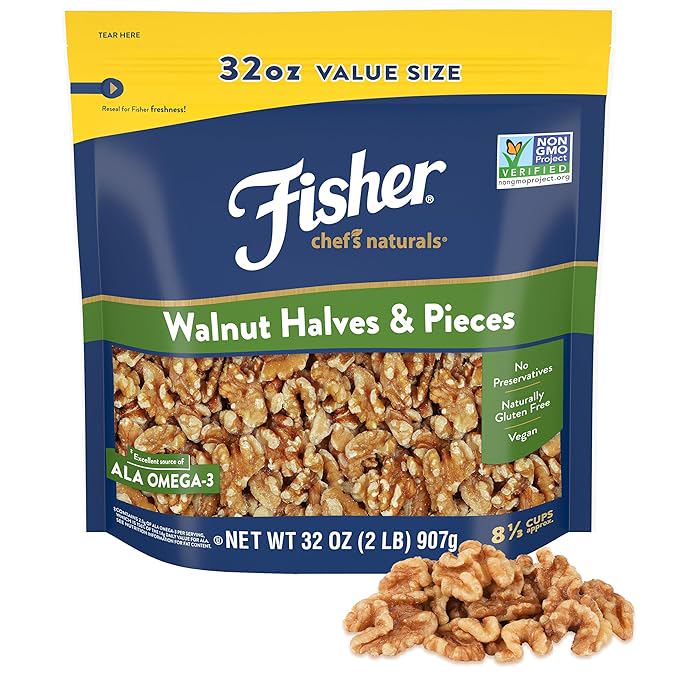
Walnuts stand out among nuts because they are especially high in alpha-linolenic acid (ALA), a plant-based omega-3. They also contain polyphenols and vitamin E that have been shown to improve memory and reduce brain inflammation in older adults. A handful of walnuts (about 1 ounce) daily is linked to better cognitive performance. Their combination of healthy fats, antioxidants, and fiber also helps stabilize blood sugar, which can prevent energy crashes that worsen brain fog.
Note from our editor: These foods are meant to support a healthy diet during menopause, not to replace medical advice. If memory changes feel sudden, severe, or interfere with daily life, talk with your healthcare provider to rule out other causes.
Adding these foods to your regular meals won't erase all menopausal symptoms overnight, but they can steadily rebuild your brain's nutrient reserves. Pair them with good sleep, regular movement, and stress management for the best results. Small, consistent changes in what you eat can make a real difference in how clearly you think—and how good you feel—through every stage of menopause.