Menopause brings a cascade of changes, and one of the most significant is the accelerated loss of bone density. As estrogen levels decline, your body becomes less efficient at absorbing calcium, making it crucial to prioritize this mineral in your daily diet. But meeting those increased needs doesn't have to mean choking down chalky supplements or bland, repetitive meals. Instead, you can build a delicious, satisfying menopause diet plan around whole foods that naturally deliver the calcium your bones crave.
Below are seven calcium-rich meals designed to fit seamlessly into your week. Each option focuses on bioavailability—meaning the calcium is in a form your body can actually use—and pairs it with nutrients like vitamin D, magnesium, and vitamin K2 that help transport calcium to your bones where it belongs.
1. Sardine and Avocado Toast on Fortified Bread
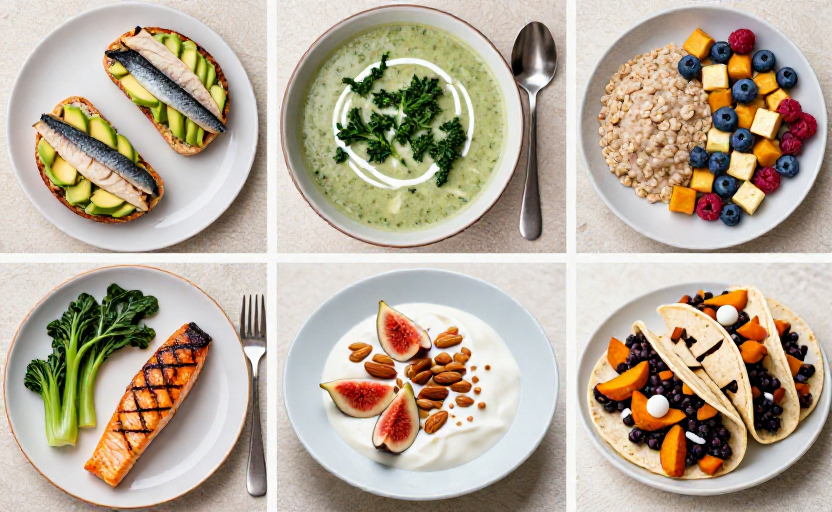
This is not your average breakfast toast. A single can of sardines (with bones) provides around 325 mg of calcium—roughly a third of your daily needs during menopause. Mash the sardines with half a ripe avocado for healthy fats and vitamin K2, then spread the mixture onto a slice of calcium-fortified whole-grain bread. Top with a squeeze of lemon and a sprinkle of black pepper. The fat from the avocado helps your body absorb the fat-soluble vitamins D and K2, while the sardines deliver a powerful, savory calcium punch. This meal is ready in under five minutes and keeps you full for hours.
2. Creamy Kale and White Bean Soup
Kale is a calcium heavyweight, with about 90 mg per cup (cooked). But when you combine it with cannellini or navy beans—which contribute both calcium and magnesium—you create a soup that supports bone structure from multiple angles. Sauté onion and garlic in olive oil, add a can of drained white beans, a few cups of low-sodium vegetable broth, and a generous handful of chopped kale. Simmer until the kale is tender, then finish with a splash of unsweetened almond milk (look for one fortified with calcium) for extra creaminess. The magnesium in beans helps activate vitamin D, which in turn boosts calcium absorption. This soup is a warming, mineral-dense lunch or dinner.
3. Tofu and Broccoli Stir-Fry with Tahini Sauce
Calcium-set tofu is a standout: half a cup can deliver anywhere from 250 to 400 mg of calcium, depending on the brand. Pair it with broccoli (about 60 mg per cup) and a sauce made from tahini—sesame seeds are naturally rich in calcium—plus a squeeze of lemon. The vitamin C from the lemon juice enhances iron absorption from the broccoli and tofu, while the tahini adds a nutty depth. Serve over brown rice or quinoa for a complete meal. The key here is to check your tofu label and choose "calcium-set" or "calcium-sulfate" varieties; these are the ones that provide the bone-building benefit.
4. Fortified Oatmeal with Collagen and Berries
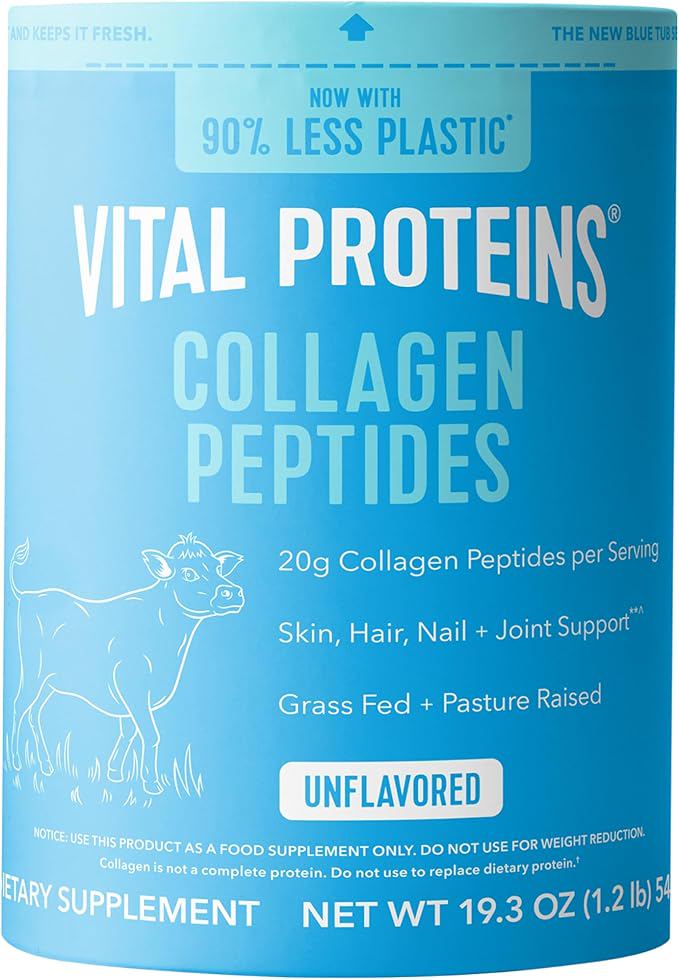
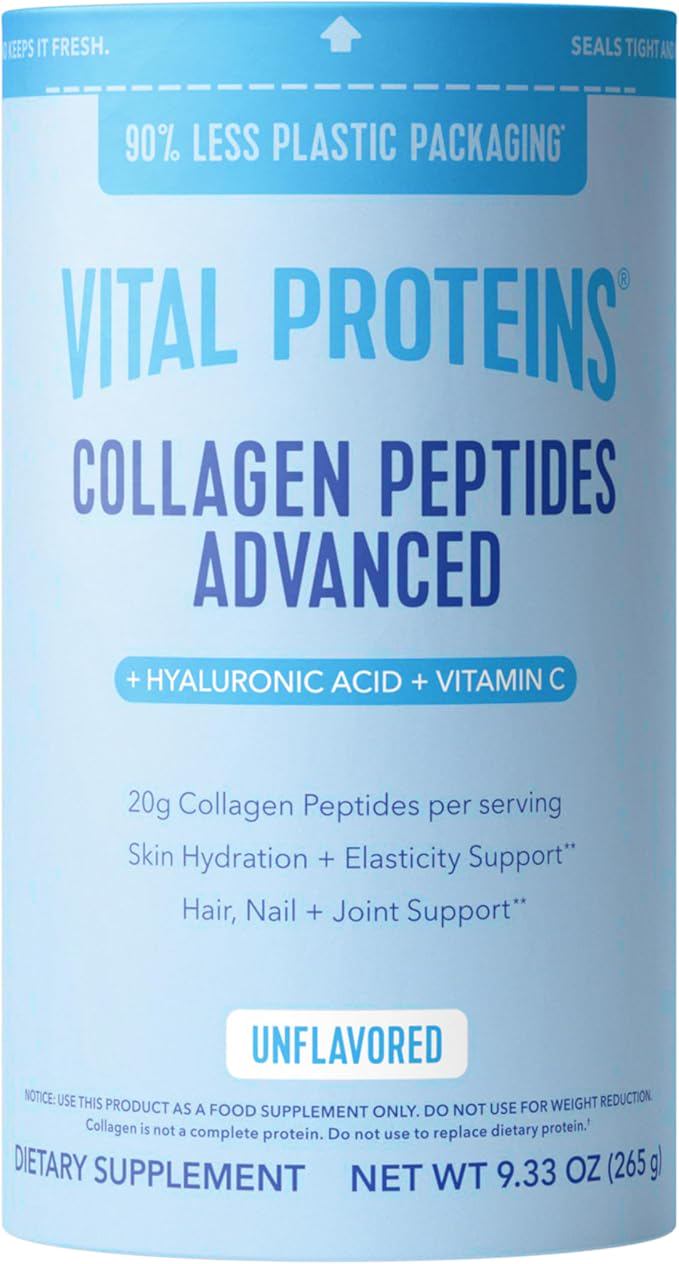
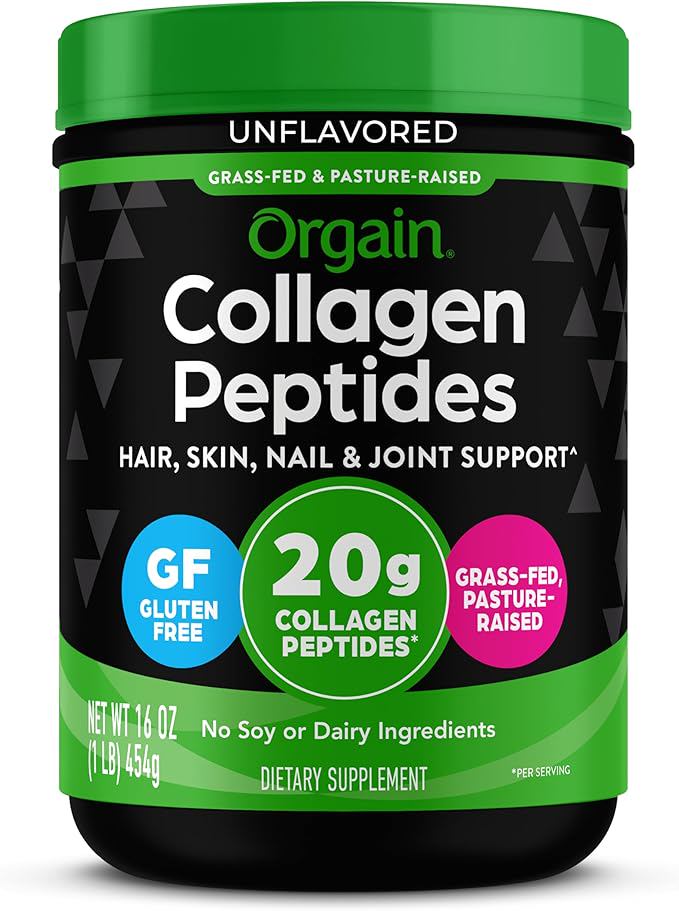
Start your morning with a bowl of oatmeal made with calcium-fortified plant milk or cow's milk (about 300 mg per cup). Stir in a scoop of collagen peptides—which provide the amino acids glycine and proline that are building blocks for your bone matrix—and top with a handful of blackberries or strawberries for vitamin C. The soluble fiber in oats supports gut health, which is increasingly recognized as a factor in nutrient absorption during menopause. If you prefer a sweeter breakfast, add a drizzle of maple syrup and a sprinkle of cinnamon, which may help with blood sugar regulation. This is a gentle, warming way to get a significant calcium load first thing.
5. Grilled Salmon with Sesame-Ginger Bok Choy
Salmon is widely known for its omega-3 fatty acids, which help reduce inflammation and may slow bone loss. But the true calcium star of this plate is bok choy. One cup of cooked bok choy delivers around 160 mg of calcium, along with vitamin K and magnesium. Steam or sauté the bok choy with a bit of sesame oil, fresh ginger, and garlic, then serve it alongside a fillet of wild salmon. Sprinkle toasted sesame seeds on top (another calcium source) for a satisfying crunch. This meal provides a complete package of bone-supportive nutrients: omega-3s, calcium, vitamin K, and protein.
6. Greek Yogurt Parfait with Figs and Almonds
Plain, full-fat Greek yogurt is a calcium powerhouse—one cup can contain 200 to 250 mg, plus probiotics that support gut health. Layer it with sliced fresh or dried figs (figs are surprisingly high in calcium, with about 35 mg per fruit) and a handful of slivered almonds. Almonds provide about 75 mg of calcium per quarter-cup, along with healthy fats and vitamin E. This parfait works as a breakfast, snack, or even a light dessert. Choose unsweetened yogurt to avoid added sugars that can contribute to inflammation. If you are sensitive to dairy, look for a plain, unsweetened coconut or soy yogurt that is fortified with calcium and live cultures.
7. Black Bean and Sweet Potato Tacos with Lime Crema
These tacos are a celebration of plant-based calcium. Black beans provide both calcium and magnesium, while sweet potatoes offer vitamin A and potassium. Warm corn tortillas (choose ones made with lime-processed masa, which boosts calcium content) and fill them with seasoned black beans, roasted sweet potato cubes, and a drizzle of crema made from blended silken tofu or Greek yogurt. Top with fresh cilantro, a squeeze of lime, and a sprinkle of pumpkin seeds (another calcium source). The combination of plant-based calcium sources and bright flavors makes this a satisfying dinner that supports bone health without relying on dairy.
Building a menopause diet plan around these meals helps you hit the recommended 1,200 mg of calcium per day without feeling like you're on a restrictive regimen. Each dish is designed to work with your body's changing needs, emphasizing nutrient synergy and real food rather than isolated supplements. As always, it is wise to discuss any major dietary changes with your healthcare provider, especially if you have a history of kidney stones or other conditions that affect calcium metabolism.