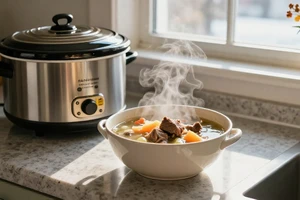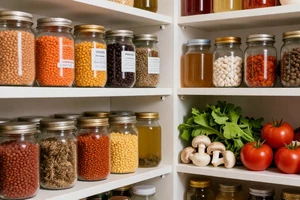

Meal prepping with a slow cooker is one of the smartest ways to save time and money during a busy week. But not all ingredients respond the same way to long, gentle heat. Some vitamins are sensitive to heat and water, while minerals and healthy fats remain stable. The good news: with a few thoughtful swaps, you can keep your meals nutrient-dense without sacrificing convenience or your budget.
Here are seven practical, low-cost ingredient swaps designed for slow cooker meal prep. Each one helps protect key nutrients, from heat-sensitive vitamin C and B vitamins to delicate antioxidants, while keeping your dishes flavorful and satisfying.
1. Swap white potatoes for sweet potatoes
White potatoes lose a portion of their vitamin C during long cooking times. Sweet potatoes are a more forgiving alternative. They hold up well in the slow cooker and provide beta-carotene, a fat-soluble nutrient that remains stable under heat. Plus, their natural sweetness balances savory stews and curries, often reducing the need for added sugar or salt.
2. Use frozen vegetables instead of fresh in the last hour
Frozen vegetables are flash-frozen at peak ripeness, which locks in vitamins like folate and vitamin C. Adding them during the final 30 to 60 minutes of cooking, rather than at the start, preserves their nutrient content and texture. This swap also cuts down on prep time and food waste since frozen greens, peas, and bell peppers are available year-round at a lower cost.
3. Choose canned tomatoes over fresh for lycopene
Fresh tomatoes lose some of their lycopene, a powerful antioxidant, when cooked for hours. Canned tomatoes, on the other hand, have already been heated during processing, which makes their lycopene more bioavailable. They also hold up better in the slow cooker. For the best value, look for no-salt-added or low-sodium varieties.
4. Replace white rice with barley or farro
White rice can become mushy and lose some B vitamins when simmered all day in a slow cooker. Barley and farro are more robust whole grains that retain their chewy texture and provide more fiber, magnesium, and iron. They also absorb flavors well without turning to paste. Add them at the start with enough liquid, and they will cook perfectly alongside your other ingredients.
5. Swap boneless skinless chicken thighs for breasts
Chicken breasts tend to dry out and lose moisture-soluble B vitamins during extended slow cooking. Boneless skinless chicken thighs stay moist and tender, which helps preserve their B-vitamin content. They are also usually more affordable. If you prefer white meat, add it later in the cooking process—about 1 to 1.5 hours before serving—to retain more nutrients and texture.
6. Add fresh herbs at the end instead of dried
Dried herbs lose volatile oils and antioxidant compounds during long cooking. Fresh herbs like parsley, cilantro, and dill contain more vitamin C and protective phytonutrients, but they are heat-sensitive. Stir them in just before serving or use them as a garnish. This simple habit boosts the final nutrient profile and brightens the flavor of any slow cooker dish.
7. Substitute canned beans for dried (with a simple prep step)
Dried beans are economical, but their phytic acid can reduce mineral absorption unless they are soaked and rinsed thoroughly. Canned beans are already cooked and rinsed, which lowers their phytic acid content and saves hours of prep. Rinsing them well also cuts sodium by up to 40 percent. To protect B vitamins, add canned beans during the last 30 minutes of cooking rather than at the start.
Try this: When using canned beans in a slow cooker chili or soup, stir them in just long enough to heat through. This keeps their texture firm and their nutrient profile intact.
Making small, deliberate swaps in your slow cooker routine can protect the nutrients you are working hard to include in your meals. These seven changes are budget-friendly, easy to remember, and backed by basic principles of food science. A well-prepped meal should nourish you from the first bite to the last, and your slow cooker can absolutely help you get there.



![[10-Pack] Glass Meal Prep Containers with Lids, MCIRCO Food Storage Containers with Snap Locking Lids, Airtight Lunch Containers, Microwave, Oven, Freezer and Dishwasher](https://www.glowtheorylab.com/uploads/ad202604/141a61456fdd8860.webp)