If you are navigating menopause, you know the dual frustration of dealing with low libido while also fanning yourself through a sudden hot flash. These two symptoms often feel like separate problems, but they share a common root: inflammation and fluctuating hormone levels. When the body’s thermostat gets stuck and desire dips, the foods on your plate can become a quiet but powerful tool.
An anti-inflammatory diet won't replace medical guidance, but it can help calm the systemic low-grade inflammation that often accompanies estrogen decline. By doing so, you may help stabilize your internal temperature and support better blood flow and nerve sensitivity—both essential for a healthy libido. Here are seven foods that address both symptoms without requiring a prescription.
1. Fatty Fish: Omega-3s for Mood and Circulation
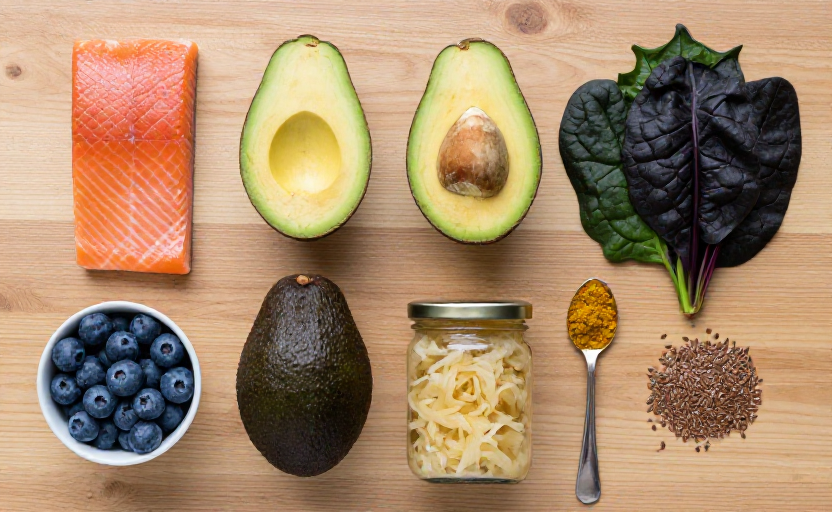
Cold-water fish like salmon, mackerel, sardines, and trout are rich in omega-3 fatty acids—specifically EPA and DHA. These fats are well-known for reducing inflammation throughout the body, but they also support blood vessel flexibility. For libido, better circulation helps with arousal and lubrication. For hot flashes, omega-3s may help regulate the hypothalamus, the brain’s temperature control center.
Aim for two servings of these fish per week. If you don’t eat fish, consider a high-quality algae-based DHA supplement, but whole food sources remain the most effective choice for direct anti-inflammatory benefit.
2. Flaxseeds: Lignans for Temperature Balance
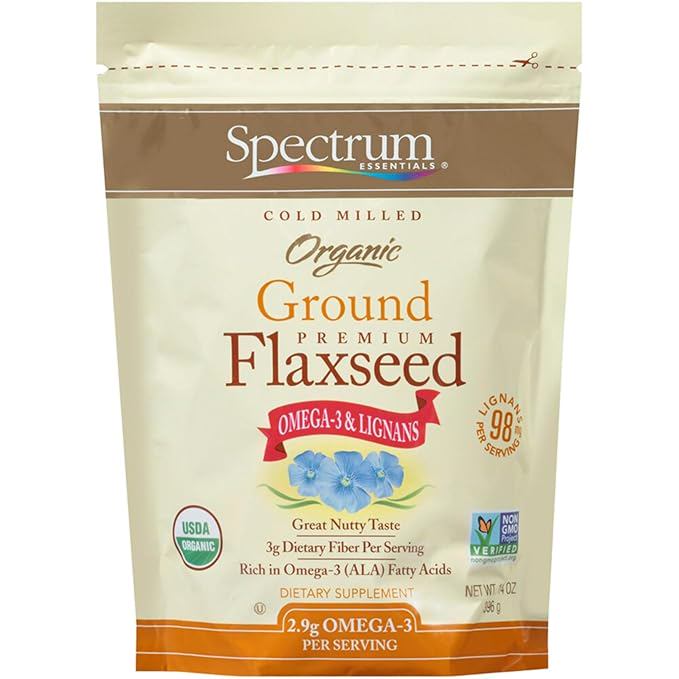
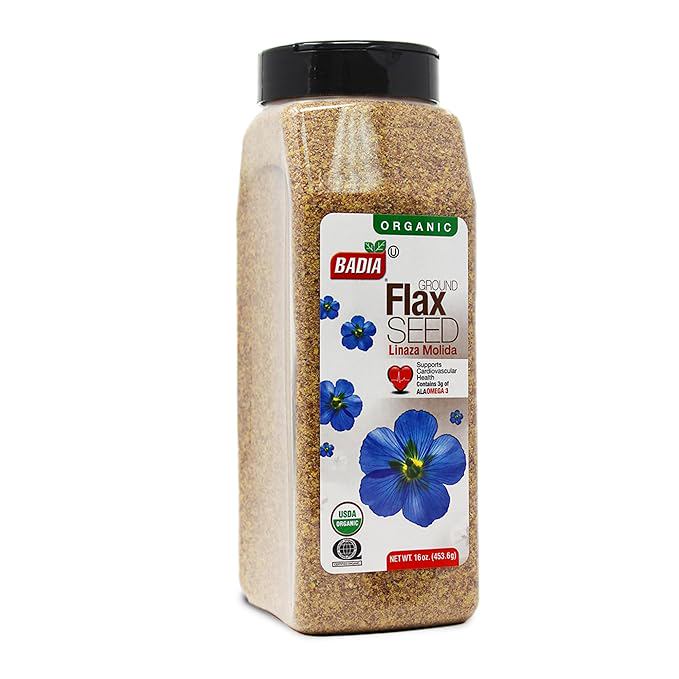
Flaxseeds contain lignans, a type of phytoestrogen that can weakly mimic estrogen in the body. Because hot flashes are often triggered by sharp drops in estrogen, having a gentle buffer from plant compounds may help smooth out those fluctuations. Some small studies suggest that ground flaxseed can reduce hot flash frequency and intensity.
For libido, the anti-inflammatory effect is indirect but meaningful—less inflammation means less stress on blood vessels and nerves, which supports sensation and response. Grind flaxseeds before eating them (your body cannot digest whole seeds) and sprinkle a tablespoon onto oatmeal, yogurt, or a smoothie.
3. Dark Leafy Greens: Magnesium for Nerve Calm
Spinach, kale, Swiss chard, and collard greens are dense with magnesium, a mineral that becomes even more important during menopause. Magnesium helps relax the nervous system, which can blunt the intensity of hot flashes triggered by stress. It also plays a role in nitric oxide production, a molecule that dilates blood vessels and supports pelvic blood flow—a key factor for arousal and sexual comfort.
Low magnesium levels are common in midlife, and that deficiency can make night sweats worse. Incorporate greens into soups, stir-fries, or a simple side salad dressed with olive oil (another anti-inflammatory star).
4. Berries: Flavonoid Power for Vessel Health
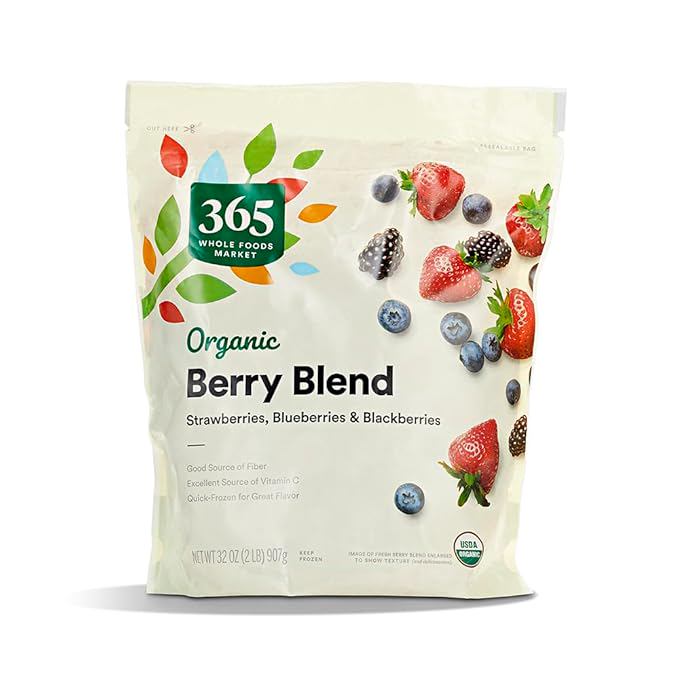
Blueberries, strawberries, raspberries, and blackberries deliver anthocyanins—plant pigments that are potent anti-inflammatory agents. These compounds can help reduce oxidative stress that damages blood vessels over time. Healthy, pliable blood vessels are crucial for both temperature regulation (allowing heat to dissipate) and sexual response (enabling engorgement and sensitivity).
Berries are low in sugar compared to other fruits, making them a good addition to a balanced diet. Frozen berries work just as well as fresh, so you can keep them on hand year-round.
5. Avocado: Healthy Fats and Vasodilation
Avocados are a concentrated source of monounsaturated fats and vitamin E, both of which fight inflammation. The healthy fats support cell membrane health, which helps cells communicate properly—including the cells that govern hormone signaling. Additionally, avocado contains potassium, which can help manage blood pressure and promote the relaxation of blood vessel walls. Better vasodilation can mean fewer hot flash spikes and a more responsiveness in the body’s erectile tissues.
Add half an avocado to a salad or mash it onto whole-grain toast. It pairs naturally with the leafy greens and fish on this list for a synergistic meal.
6. Fermented Foods: Gut-Hormone Connection
Kimchi, sauerkraut, yogurt, kefir, and miso introduce beneficial probiotics that reshape your gut microbiome. This matters because the gut is directly involved in estrogen metabolism via a pathway called the estrobolome. When your gut bacteria are balanced, they help process and recycle estrogen more effectively, which can moderate both hot flash severity and libido.
Chronic gut inflammation also raises systemic cytokines, which can worsen vasomotor symptoms. Start with a small portion of fermented food per day—like a spoonful of sauerkraut or a serving of plain yogurt—to avoid digestive upset as your microbiome adjusts.
7. Turmeric: Curcumin’s Wide-Ranging Calming Effect
Turmeric contains curcumin, a compound studied for its ability to block NF-kB, a protein complex that drives inflammation. While much of the research is in its early stages, some evidence suggests that curcumin can reduce the frequency and severity of hot flashes, possibly by altering serotonin and estrogen receptor activity. For libido, less inflammation means a body that is less “stressed” and more receptive to intimate cues.
Turmeric is best absorbed when paired with black pepper (which contains piperine) and a fat source. Try adding it to soups, curries, or golden milk. Avoid relying on turmeric supplements without professional guidance, as high doses can interact with certain medications.
No single food will erase menopause symptoms, but consistently choosing anti-inflammatory options can create a biological environment where hot flashes are less intense and desire has a fighting chance. Pair these foods with hydration, regular movement, and adequate sleep for the fullest benefit.