Your skin barrier is your body’s frontline defense. It’s the outermost layer of your skin, a delicate but resilient shield made of lipids, cells, and natural moisturizing factors. Think of it as the brick wall of your skin’s architecture. When this wall is strong and intact, it keeps hydration in and irritants out. But when it’s compromised, the signs are unmistakable—and often uncomfortable.
Recognizing these signs is the first step toward restoring your skin’s health. Instead of layering on more products, the solution often lies in a gentler, more supportive approach that allows your skin to heal itself.
What does a damaged skin barrier feel like?
You’ll likely feel it before you see it. A compromised barrier doesn’t function properly, leaving nerve endings more exposed and vulnerable. This leads to sensations that are clear distress signals from your skin.
Tightness and dehydration are often the first clues. Even after cleansing or applying moisturizer, your skin might still feel parched, as if nothing can quench its thirst. This happens because the barrier’s ability to retain water is weakened.
More telling is a persistent stinging or burning sensation when you apply products you’ve used for years. That gentle toner or trusted moisturizer suddenly feels like it’s setting your face on fire. This isn’t an allergy to the product; it’s a sign that your barrier is so thin that even benign ingredients can penetrate too deeply and trigger a nerve response.
If your skincare suddenly stings, it’s not you—it’s your barrier asking for a timeout.
What does a damaged skin barrier look like?
The visual signs can range from subtle to severe. They’re your skin’s way of showing you that its protective capabilities are offline.
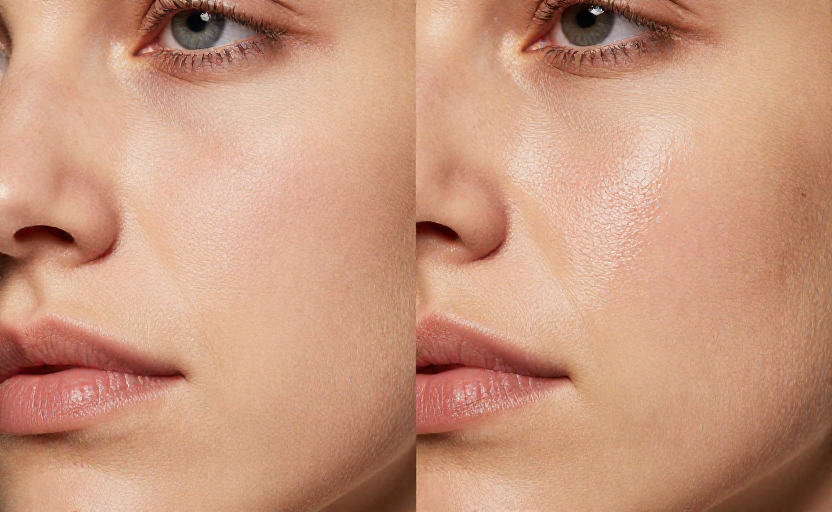
You might notice increased redness and sensitivity, appearing as blotchy patches or a general flushed look, particularly on the cheeks. This inflammation is a direct result of irritants breaching the weakened defense.
Flakiness and rough texture are also common. Without a healthy lipid layer to bind skin cells together, they can shed unevenly, leading to a rough, sandpaper-like feel and a dull, ashy appearance.
Perhaps the most frustrating sign is more breakouts or sudden dryness. It seems contradictory, but both can happen. A broken barrier can allow acne-causing bacteria easier access, leading to pimples. Simultaneously, the rapid loss of water can cause patches of extreme dryness or even eczema-like patches. Your skin might seem confused, oily in some spots and parched in others.
Why does the skin barrier get damaged?
Damage is rarely from one single misstep. It’s typically the result of a combination of factors that slowly erode your skin’s resilience.
- Over-cleansing or over-exfoliating: Washing too often, using water that’s too hot, or scrubbing too aggressively strips away essential lipids. Chemical exfoliants (like AHAs and BHAs) are wonderful tools, but using them too frequently or at high strengths can dissolve the very “mortar” that holds your barrier together.
- Harsh ingredients: High concentrations of alcohol, fragrance, or certain essential oils can be incredibly disruptive to the delicate lipid balance.
- Environmental stressors: This includes everything from extreme cold and wind, which wick away moisture, to excessive sun exposure and pollution, which generate free radicals that attack skin cells.
- Internal factors: High stress levels, lack of sleep, and hormonal fluctuations can all weaken your skin’s ability to repair and maintain its protective layer.
How to start repairing your skin barrier
Repair is a process of subtraction and gentle support, not aggressive intervention. The goal is to create a calm, stable environment so your skin can rebuild itself.
Simplify your routine
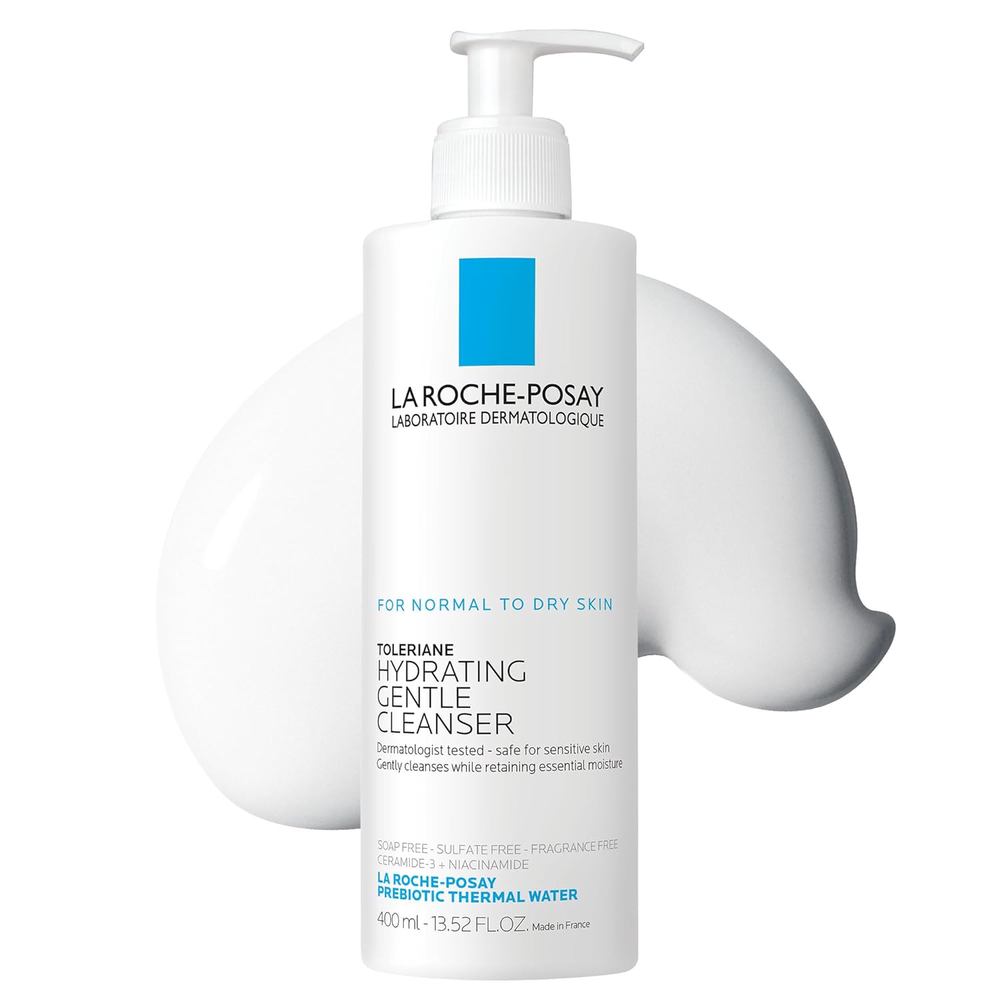
This is non-negotiable. Pare your skincare down to the absolute basics for a few weeks: a gentle cleanser, a reparative moisturizer, and a mineral sunscreen. Suspend use of active ingredients like retinoids, strong acids, and physical scrubs. Give your skin a chance to reset without being challenged.
Seek out barrier-supporting ingredients
Look for products formulated with components that mimic or support your skin’s natural structure. These include:
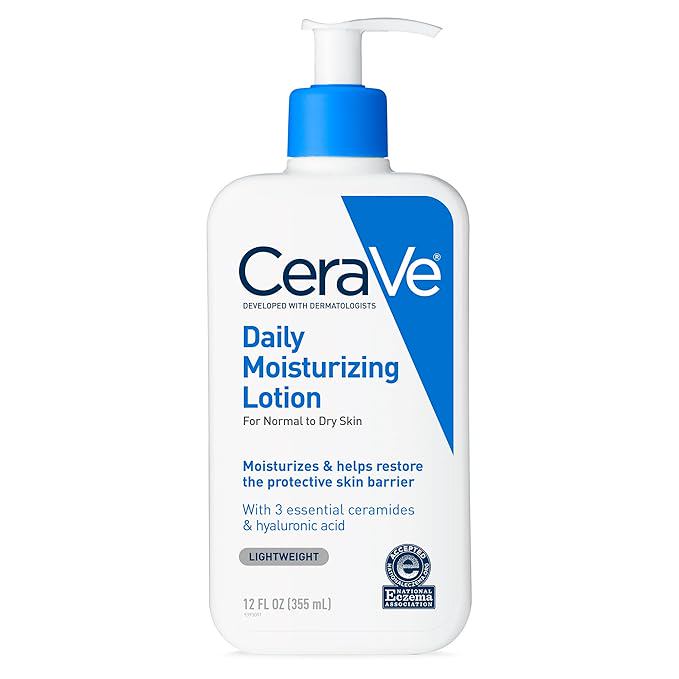
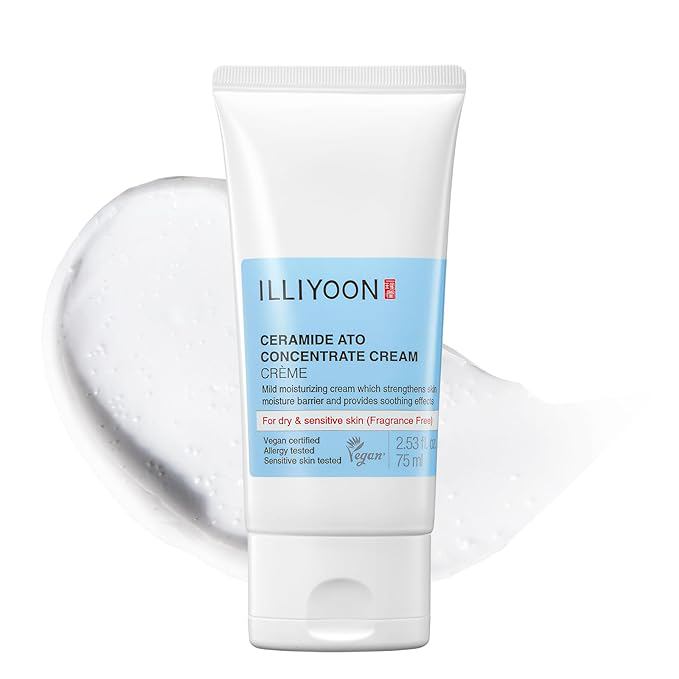
- Ceramides: The fundamental lipids that make up about 50% of your skin’s barrier. They are the essential “bricks.”
- Fatty Acids and Cholesterol: The other crucial lipids that fill in gaps and keep the barrier flexible and intact.
- Niacinamide: A versatile ingredient that helps improve barrier function, reduce redness, and boost ceramide production.
- Panthenol (Provitamin B5) and Glycerin: Humectants that draw water into the skin and help lock it there.
When you reintroduce actives, do so slowly—one at a time, and only once or twice a week to start. Listen to your skin. If stinging or redness returns, pull back again. Healing isn’t linear, and patience is your most important product. A repaired barrier means skin that is resilient, calm, and better able to handle the world—and your skincare—again.