
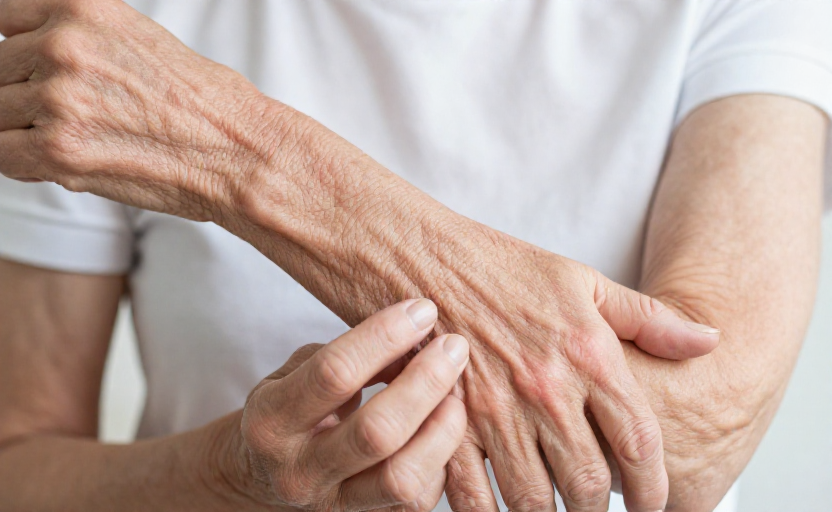
As we age, our skin naturally changes. After 50, these changes can become more pronounced, especially for those with dry skin. While some dryness is expected, certain signs indicate that your skin needs more targeted care and attention. Ignoring them can lead to discomfort and accelerate the visible signs of aging.
This article outlines six key warning signs of dry aging skin that you should not overlook. Recognizing them early allows you to adjust your routine and talk to a dermatologist about the best approach for your skin health.
1. Persistent Itchiness That Disrupts Your Day
Occasional itching can happen to anyone, but when it becomes a constant companion—especially on your legs, arms, and back—it's a red flag. Dry skin loses its natural moisture barrier, which normally locks in hydration and keeps irritants out. When that barrier is compromised, nerve endings become more sensitive, leading to that persistent itch.
This isn't just discomfort; it can damage skin further if you scratch. Look for moisturizers with ceramides, glycerin, or hyaluronic acid to help repair the barrier. If itching persists despite moisturizing, a dermatologist can check for underlying conditions like eczema or psoriasis.
2. A Dull, Ashy Appearance That Doesn't Fade
Healthy skin has a natural radiance. When dry aging skin becomes severe, the outermost layer builds up with dead cells that no longer reflect light evenly. This results in a dull, grayish, or ashy look, which is often more noticeable on darker skin tones.
This sign is often mistaken for a lack of exfoliation, but over-exfoliating can make things worse. Instead of harsh scrubs, consider a gentle chemical exfoliant with lactic acid or a soft washcloth once a week. The goal is to remove dead cells while preserving the fragile moisture barrier.
3. Fine Lines and Wrinkles That Look Deeper Than Expected
Everyone gets wrinkles, but if yours seem to have deepened quickly, chronic dryness could be a major factor. Dehydrated skin temporarily makes lines look more pronounced because the skin's surface contracts. This is different from the natural, age-related loss of collagen and elastin, which creates a permanent crease.
A simple test: pinch the skin on the back of your hand. If it stays pinched or moves back slowly, your skin is severely dehydrated and needs a hydration boost.
If you notice this, increase your water intake and switch to a richer moisturizer with shea butter or squalane. If the lines remain prominent after hydrating, collagen loss is likely at play—something to discuss with a professional.
4. Redness, Flaking, or Crusting on Specific Areas
Dry skin can become inflamed if it's not properly managed. When you see patches of redness, flaking, or even crusting on your cheeks, around your nose, or on your chin, it's a sign of significant barrier damage. This is not just simple dryness; it's often asteatotic eczema (eczema due to dryness), which is common after 50.
Do not try to scrub these areas. Instead, apply a thick, fragrance-free emollient immediately after bathing while skin is still damp. Products with colloidal oatmeal or petroleum jelly can be very effective. If the area weeps or becomes painful, see a doctor.
5. A Tight, Uncomfortable Feeling After Washing
You should never feel like your skin is stretched or rigid after cleansing. A feeling of tightness means your skin's natural oils have been stripped away. Harsh soaps, very hot water, and long showers are common culprits.
This tight feeling is your skin signaling that its protective lipid layer is gone. Switch to a gentle, soap-free cleanser and limit showers to 10 minutes. After patting dry, apply moisturizer within three minutes to trap water on the skin. If the tightness persists regardless of your wash routine, it may indicate a need for a medical-grade barrier repair cream.
6. Skin That Tears or Bruises Easily
Very dry skin becomes brittle and less elastic. This fragility makes it more prone to tearing or bruising from minor bumps or even just pulling off a bandage. This sign is often overlooked but is a serious indicator of long-term moisture deficiency and thinning of the skin (which naturally happens with age).
Preventing tears is crucial, as healing slows down after 50. Use a humidifier in your bedroom, especially during winter. Wear gloves for chores and apply a thick balm to elbows, knees, and hands every night. If you notice frequent bruising or tears without noticeable cause, consult your primary care provider to rule out other factors like medication side effects or nutritional deficiencies.
When to See a Dermatologist
If any of these signs are severe, painful, or don't improve with over-the-counter moisturizers and lifestyle changes, it's time to see a board-certified dermatologist. They can prescribe treatments like prescription barrier creams, topical corticosteroids for inflammation, or light-based therapies that address both the symptoms and the underlying causes of dry aging skin.