When we think about bone health, we often picture a fracture or a fall. But the truth is, your bones can send quieter signals long before a break ever happens. Especially during menopause, when estrogen levels drop and bone density can decline more quickly, paying attention to these subtle clues matters a great deal.
If you are wondering whether you might be missing early signs of bone loss, you are not alone. Many women assume that back pain, shrinking height, or even gum problems are just part of getting older. In reality, each of these can be a symptom of weakening bones. Here are six often-overlooked signs that deserve your attention.
1. A gradual loss of height
Losing half an inch or more of your height as you age may seem normal, but it is often a sign of vertebral compression fractures. When the bones in your spine become porous and weak, they can collapse slightly, shortening your stature. If you notice your skirts or pants seem longer, or a recent measurement puts you shorter than you were a few years ago, it is worth discussing with your healthcare provider.
2. Receding gums or loose teeth
Your jawbone supports your teeth. When that bone loses density, your gums may recede and your teeth can become loose or shift. This is a surprisingly common early indicator of osteoporosis that many women attribute to dental hygiene alone. If your dentist mentions bone loss on an X-ray or you notice changes in how your teeth fit together, it could be related to overall skeletal health.
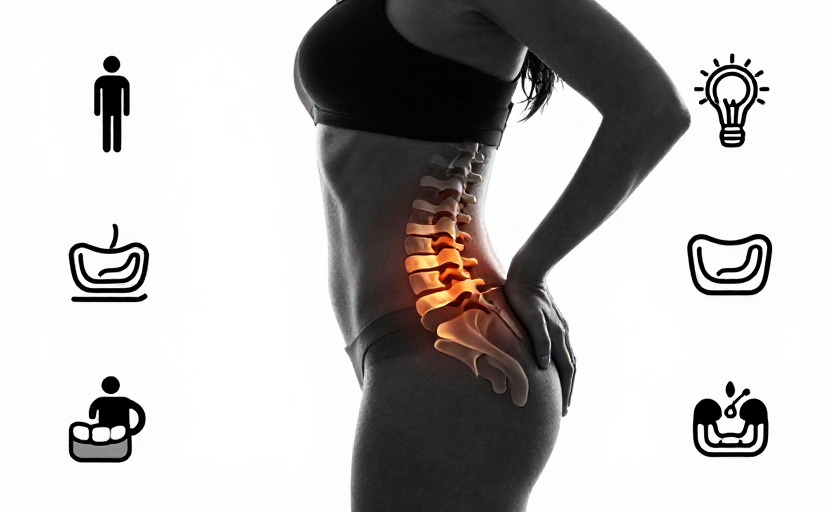
3. Persistent, low-level back pain
That dull ache between your shoulder blades or in your lower back might not be from a bad mattress. Tiny microfractures in the vertebrae can cause chronic pain that does not resolve with rest or gentle stretching. Unlike muscle strain, this pain often gets worse with standing or walking and may be accompanied by a feeling of "carrying weight" even when you are not doing anything strenuous.
4. A weakened grip or difficulty with fine motor tasks
Your hands are made of many small bones, and they can be one of the first places bone density loss shows up. You might notice it is harder to open jars, turn keys, or hold a pen steady. While arthritis can also cause these symptoms, a decline in grip strength—especially when combined with other signs—can point toward thinning bone mass.
5. Brittle, peeling, or easily broken nails
Your nails are made of keratin, the same protein found in bones and hair. While nails do not directly mirror bone density, changes in nail health—such as becoming brittle, thin, or prone to peeling—can sometimes reflect the same nutritional or hormonal shifts that affect your skeleton. It is not a diagnostic tool, but it is a clue worth noting alongside other symptoms.
6. A sensation of "heaviness" or fatigue in your legs
When your pelvic or leg bones weaken, they may not support your muscles as effectively. Some women describe a feeling of heaviness or fatigue in their thighs or hips that is not related to exercise. This can be subtle, but it is often one of the first signs that your skeleton is struggling to bear its normal load.
What to do if you recognize these signs
If any of these symptoms sound familiar, the first step is not to panic—it is to gather information. A bone density scan (DXA) is the gold standard for measuring bone health. Your doctor may also recommend blood tests to check vitamin D, calcium, and thyroid levels. Meanwhile, you can support your bones through weight-bearing exercise, adequate protein and calcium intake, and ensuring you get enough vitamin D—either from sunlight or a supplement (talk to your doctor about the right amount for you).
Remember: small changes in daily habits can add up. Walking, dancing, climbing stairs, and even gentle resistance training help signal your body to build and maintain bone tissue. And if you smoke or drink heavily, cutting back will directly benefit your skeleton.
Your bones are living tissue. They respond to movement, nourishment, and time. The earlier you listen to the quiet signals they send, the more you can do to keep them strong for the long haul.