
Hot flashes are one of the most common—and disruptive—symptoms of menopause. For those who prefer to avoid hormone therapy or cannot use it for medical reasons, finding effective alternatives is essential. The good news is that a growing body of research supports several non-hormonal approaches that can meaningfully reduce the frequency and severity of hot flashes.
Below are six evidence-backed strategies, ranging from lifestyle adjustments to specific substances and techniques, that can help you manage hot flashes without hormones. Always discuss new approaches with your healthcare provider, especially if you have underlying health conditions.
1. Identify and avoid your personal triggers
Hot flashes often have identifiable triggers. The most common include:
- Spicy foods, caffeine, and alcohol
- Hot beverages
- Stress and anxiety
- Tight clothing or synthetic fabrics
- Warm room temperatures
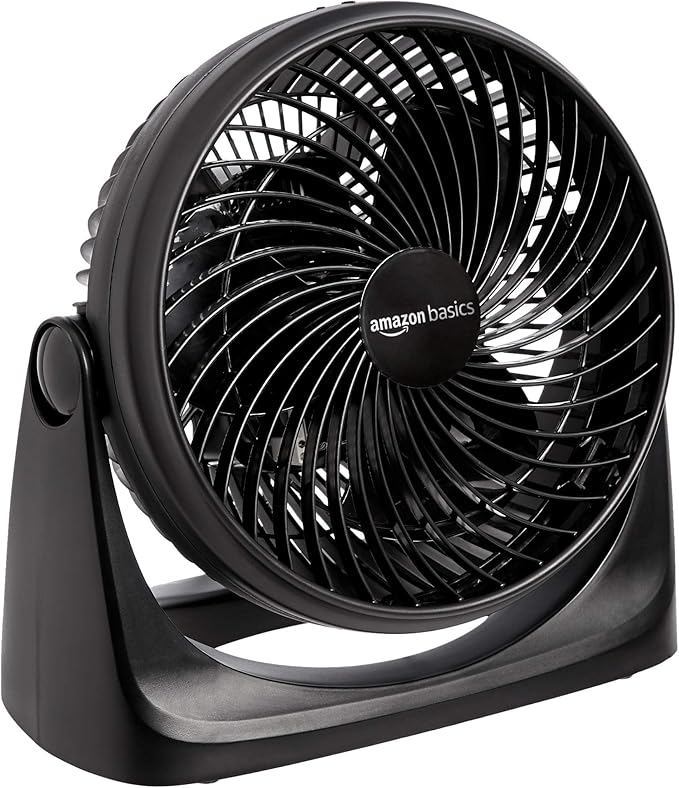
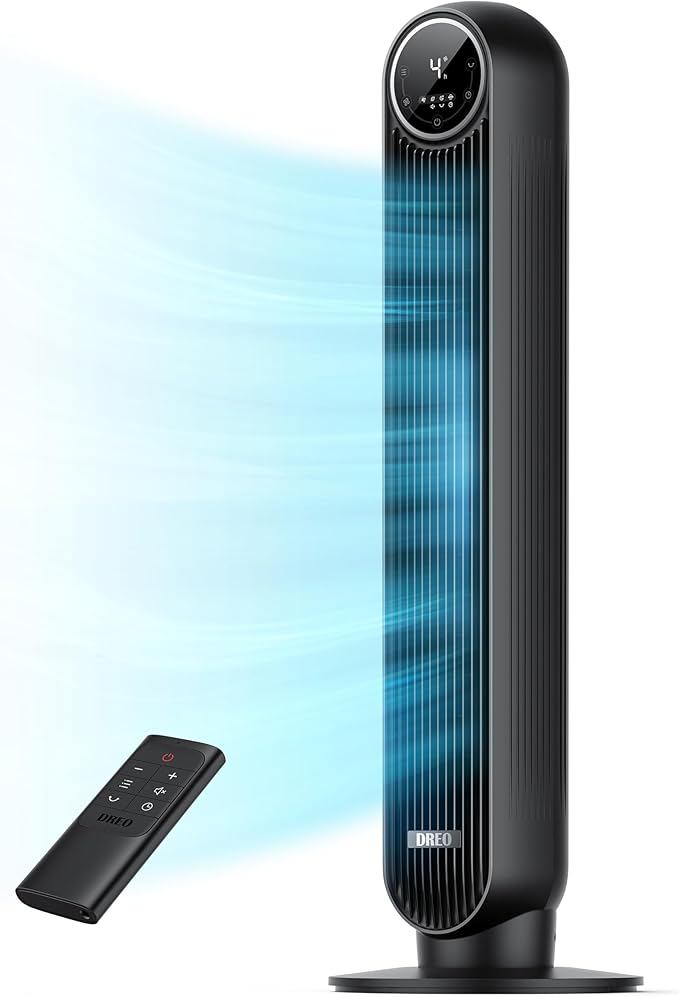
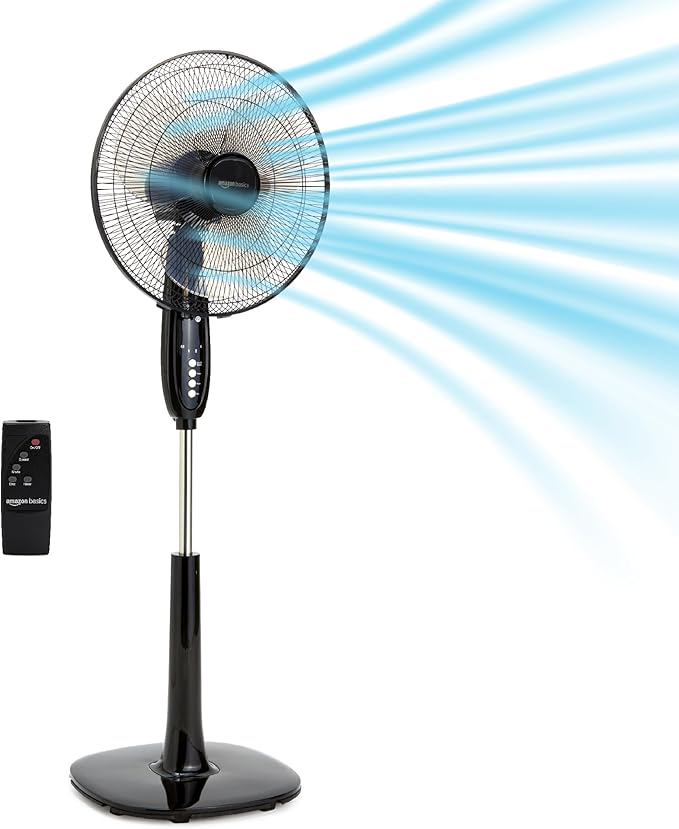
Keeping a simple symptom diary for a week or two can help you spot patterns. Once you know your triggers, you can take practical steps—like choosing iced tea over hot coffee, wearing layers, or using a small desk fan—to reduce flare-ups.
A quick tip: Even slight adjustments to room temperature—lowering it by just 2–3 degrees—can make a noticeable difference for many women.
2. Try cognitive behavioral therapy and paced breathing
Your mind-body connection is powerful. Cognitive behavioral therapy (CBT), particularly when tailored for menopause, has been shown in clinical trials to reduce how much hot flashes bother you, even if their frequency doesn't change dramatically. CBT helps reframe the experience and reduces the anxiety that can trigger or worsen hot flashes.
Paced breathing is a simple complementary technique. When you feel a hot flash starting, breathe slowly and deeply—aim for about 6 to 8 breaths per minute. This activates your body's relaxation response and may shorten the duration of a hot flash.
Where to find support
Look for a therapist trained in menopause-specific CBT or use a reputable online program. Many health insurance plans cover CBT for menopause symptoms.
3. Consider clinical hypnosis
Clinical hypnosis might sound unconventional, but it has solid research behind it for hot flash relief. A randomized controlled trial found that women who received hypnosis sessions experienced a nearly 75% reduction in hot flash frequency and severity. The technique teaches self-hypnosis, which you can use at the first sensation of a hot flash to reduce its intensity.
A qualified clinician can teach you the basics in a few sessions, and many women find the skill stays effective for months afterward.
4. Use a cooling device or weighted blanket
Sometimes the simplest physical solutions work best. Handheld or wearable cooling devices—such as a wrist-cooling bracelet or a small fan you can keep at your desk—offer immediate relief. Some newer devices use controlled temperature technology to cool a specific part of your body, which can trick your brain into cooling your core temperature.
Some women also report that a lightweight, breathable cooling blanket or a weighted blanket helps them sleep through the night with fewer hot flash awakenings. Look for materials like bamboo or moisture-wicking fabrics.
5. Try certain supplements, but with caution
Several natural substances have been studied for hot flash relief, though none are guaranteed. The most promising include:
- Black cohosh: Popular in traditional use, but evidence is mixed. Some studies show modest benefit, others show none. Use with caution if you have liver concerns.
- Isoflavones (from soy or red clover): These plant compounds mimic estrogen weakly. Results vary, and they may not work for everyone.
- Vitamin E: High doses have shown a small reduction in hot flash frequency in some studies. Stick to doses under 800 IU per day.
Important: The supplement industry is not closely regulated. Always choose reputable brands, and tell your doctor about any supplement you take. Supplements can interact with medications.
6. Adjust your diet and exercise routine
A whole-foods diet rich in vegetables, fruits, whole grains, and lean protein may help stabilize blood sugar and reduce inflammation—both of which can influence hot flash severity. Some research suggests that a Mediterranean-style diet is linked to fewer menopause symptoms.
Regular aerobic exercise and strength training may help regulate body temperature over time. Aim for at least 30 minutes of moderate activity most days. Yoga and tai chi, which combine movement with breath control, may be particularly helpful for hot flash management.
One more thing: Staying well-hydrated with water throughout the day helps your body regulate temperature more efficiently.