Curly hair demands a delicate balance. Too much manipulation, the wrong ingredients, or even well-intentioned over-moisturizing can tip your scalp from calm to cranky. If you've been following the same routine every day and noticing that your scalp feels off—itchy, tight, or flaky—it's not in your head. Your daily habits might be the culprit.
Here are six clear signs that your curly hair routine is irritating your scalp, plus what to do about each one.
1. Persistent itching that gets worse after applying products
A little itch from a new growth cycle is normal. But if your scalp starts tingling or burning right after you apply your leave-in, gel, or curl cream, that's a red flag. Common irritants include fragrances, essential oils like peppermint or tea tree in high concentrations, and preservatives such as methylisothiazolinone. If the itch fades when you skip product application for a day, your products are likely the trigger.
2. Flakes that aren't dandruff
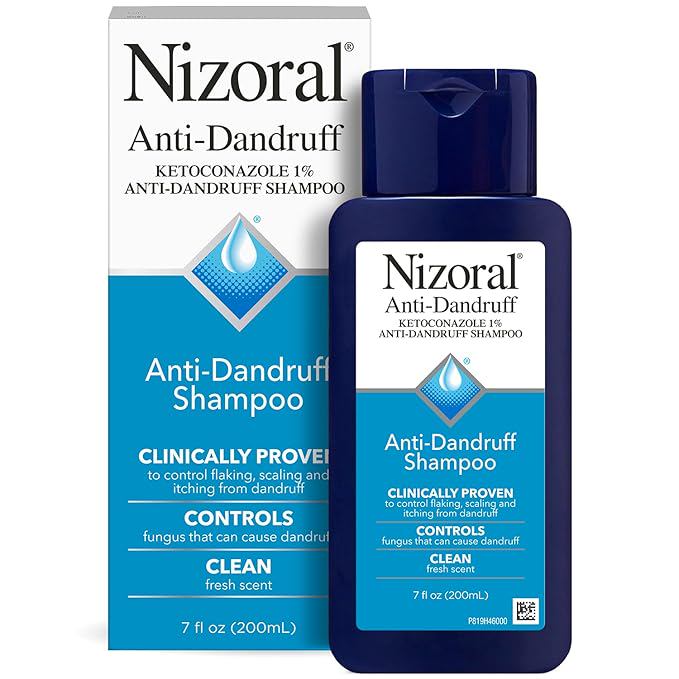
Not all white flakes are dandruff. If you see small, dry, white flakes that fall off easily—especially near your hairline or crown—you're probably dealing with product buildup or a dry scalp caused by over-cleansing. Dandruff flakes are usually larger, greasy, and yellowish. If your flakes appear after using a heavy butter or oil daily, try scaling back to lighter products and clarifying once a month.
3. Redness or tenderness along the hairline
If your hairline looks red, feels tender, or has small bumps, you may be reacting to ingredients that touch that area most often—like edge control gels, heavy pomades, or even your shampoo if you rinse upright. This can also happen when you consistently tie your hair too tightly with satin or silk scarves, trapping product and sweat against the skin. Give that area a break for a few days and see if the irritation settles.
4. Increased shedding or breakage at the root
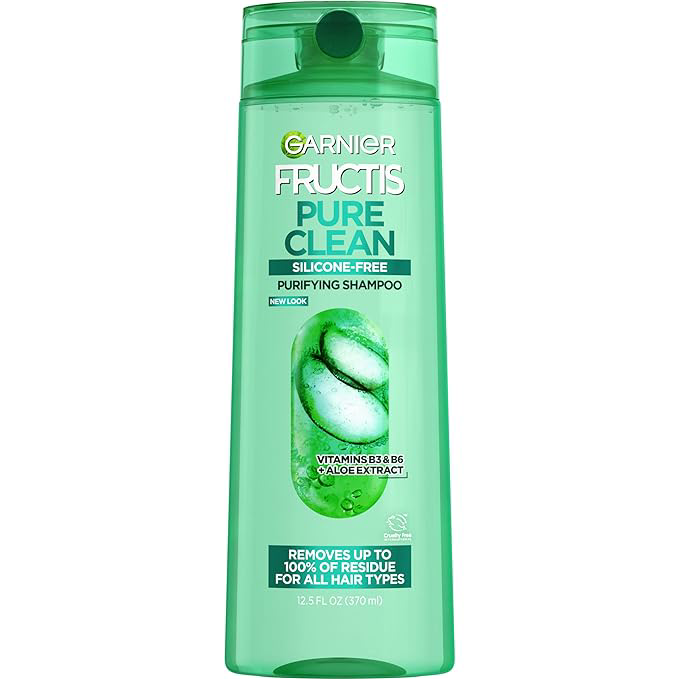
Everyone loses hair daily, but if you notice more strands coming out at the root than usual—especially when you detangle—your scalp could be inflamed. Chronic irritation weakens the hair follicle's grip. Over-manipulation (like raking through tangles every single day) or using clarifying shampoos too often can strip the scalp's protective barrier. Try stretching your wash days and using a gentle, sulfate-free shampoo.
5. A tight or painful feeling after conditioning
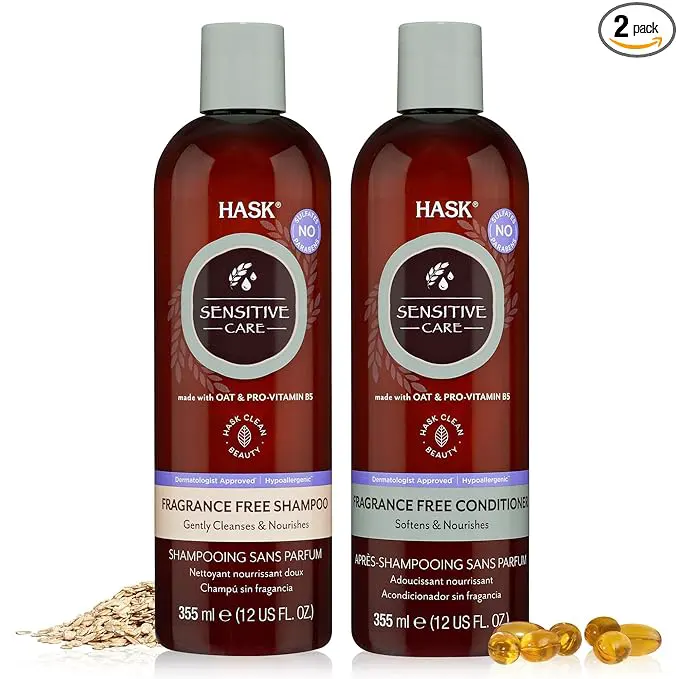
If your scalp feels tight, warm, or even painful after you apply a deep conditioner or leave-in, you might be sensitive to protein, aloe vera, or certain botanical extracts. Protein overload can make hair stiff and the scalp feel rigid. Aloe vera—while soothing for many—can cause contact dermatitis in some people. Switch to a simple, fragrance-free conditioner for a week to see if the sensation disappears.
6. Small bumps or pimples along the scalp
Acne-like bumps on the scalp are often a sign of folliculitis, which can be triggered by heavy oils, butters, or silicones that clog the pores. Your daily routine might include products that aren't water-soluble, so they accumulate and trap bacteria. If you see these bumps, stop using any product with petrolatum, mineral oil, or dimethicone for a few days and wash with a gentle, non-comedogenic shampoo.
A quick note: If you notice any open sores, significant hair loss in patches, or a fever alongside scalp pain, please consult a dermatologist rather than trying home adjustments.
How to reset your routine
When you spot one or more of these signs, the simplest fix is a reset. Switch to a minimal routine for two weeks: a very gentle, sulfate-free shampoo, a lightweight conditioner, and one simple gel or cream without fragrance. Avoid heavy butters, daily re-wetting without cleansing, and tight hairstyles. Most mild irritations calm down within a week once the trigger is removed.
Your curly hair routine should feel soothing, not stressful. Listen to your scalp—it's usually the first to tell you when something is off.