Meal prep can feel like a gamble. You spend a Sunday afternoon cooking, stash everything in the fridge, and by Wednesday you are staring at a soggy, sad version of what was once a crisp dinner. The problem isn't your cooking — it's the recipe. Certain dishes simply collapse under the weight of time and condensation.
These six one-pan recipes are different. Each one is built to hold its shape, keep its bite, and still taste intentional after three days in cold storage. They are designed for the kind of week where you need a reliable meal on demand, not a science project.
Why some one-pan meals hold up better than others
Texture loss in leftovers often comes down to moisture migration. Ingredients with high water content — tomatoes, zucchini, cooked greens — release liquid as they sit. That liquid then soaks into grains, bread, or other porous components, turning them mushy. The recipes below sidestep this by using sturdy vegetables, hearty grains, and smart assembly order.
Another trick: components that can be stored separately within the same container, or that naturally resist breakdown. Roasted root vegetables, sturdy greens like kale or watercress, and legumes like chickpeas or black beans all hold their structure well. Walnuts and other nuts add crunch that survives refrigeration better than most seeds or croutons.
6 one-pan recipes that survive the three-day test
Mixed bean, walnut, and watercress salad
This recipe works because no single ingredient breaks down easily. Cannellini and black beans keep their shape, watercress stays peppery and firm, and roasted walnuts add texture that lasts. The trick: roast the walnuts yourself. Raw nuts can soften in dressing, but a quick roast at 400°F (200°C) for 10–15 minutes seals in crunch.
Prep in one pan by roasting yellow pepper strips, asparagus tips, and walnuts together. Toss with the beans, sun-dried tomatoes, and watercress. A simple vinaigrette made from the tomato oil and white wine vinegar ties it together. Store in an airtight container — the beans and nuts stay firm even after three days.
California walnut and rice salad
Rice salads can turn to paste by day two. The fix: use a blend of white and wild rice, both of which are more resistant to softening than brown rice. Chill the rice completely before mixing with other ingredients, which prevents steam from wilting the greens and softening the nuts.
Combine cooked, chilled rice with baby arugula, toasted walnuts, dried cherries, dried apricots, ripe olives, and crumbled feta. Make a walnut lemon vinaigrette by blending olive oil, walnuts, lemon juice, Dijon mustard, honey, salt, pepper, and garlic. Dress only what you plan to eat that day, or store dressing separately and toss before serving. Leftovers maintain distinct grains and a bright, nutty flavor.
Citrus beet salad with walnuts and blue cheese
Beet salads are notorious for turning everything pink and soggy. This version solves that by roasting beets until just tender (not soft) and dicing them small. The citrus segments add juice, but they hold up better than sliced fruit.
Layer organic field greens with diced roasted beet, small citrus segments, toasted walnuts, and crumbled blue cheese. A balsamic honey vinaigrette with curry powder and maple syrup adds depth without overwhelming the vegetables. The key: toss the greens and dressing first, then add the beets and walnuts on top. When stored, the sturdy greens and nuts remain crisp while the beets stay firm.
Curried quinoa salad with grapes and walnuts
Quinoa can become gluey in a sealed container. The fix: rinse it well before cooking and let it steam off the heat for five minutes before fluffing. That extra step removes excess starch and keeps each grain separate.
Cook quinoa in water, then combine with diced celery, halved seedless grapes, diced radishes, chopped walnuts, and sliced green onions. A curry vinaigrette — made with balsamic vinegar, curry powder, maple syrup, mustard, garlic powder, and salt — coats the ingredients without making them weepy. Grapes add bursts of sweetness, and radishes stay crunchy for days. Store in an airtight container for up to a week, though peak texture is within three days.
Roasted vegetable and farro bowl with tahini dressing
Farro is an underrated meal-prep grain. Its chewy outer bran layer protects the kernel from absorbing too much moisture, so it stays al dente even after refrigeration. Roast sturdy vegetables like broccoli, cauliflower, and red onion on a single sheet pan at 425°F (220°C) until caramelized but not overly soft.
Cook farro according to package directions, drain well, and let cool. Assemble bowls with farro, roasted vegetables, chopped walnuts, and a tahini-lemon dressing. Tahini-based dressings thicken slightly in the fridge but loosen with a quick stir. The farro remains toothsome, the vegetables keep their structure, and the walnuts add crunch on top.
Sheet-pan lemon-herb chicken with chickpeas and fennel
Leftover chicken can dry out, and chickpeas can turn mealy. The solution: use bone-in, skin-on chicken thighs, which retain moisture better than breasts, and roast chickpeas until they are crisp on the outside.
Toss chickpeas with olive oil, salt, and spices on one half of a sheet pan. Arrange seasoned chicken thighs on the other half, skin side up. Add sliced fennel and red onion to the pan. Roast at 425°F (220°C) until the chicken reaches 165°F internal temperature and the chickpeas are golden. Fennel stays crunchy, chickpeas remain firm, and the chicken reheats without drying out. Store chicken and chickpeas in a separate container from any fresh herbs or greens you add later.
Storage tips for maintaining texture
Even the best recipe fails if stored poorly. Follow these guidelines to keep your one-pan meals in top shape:
- Cool food completely before sealing the container. Trapped steam creates condensation that makes grains and vegetables soggy.
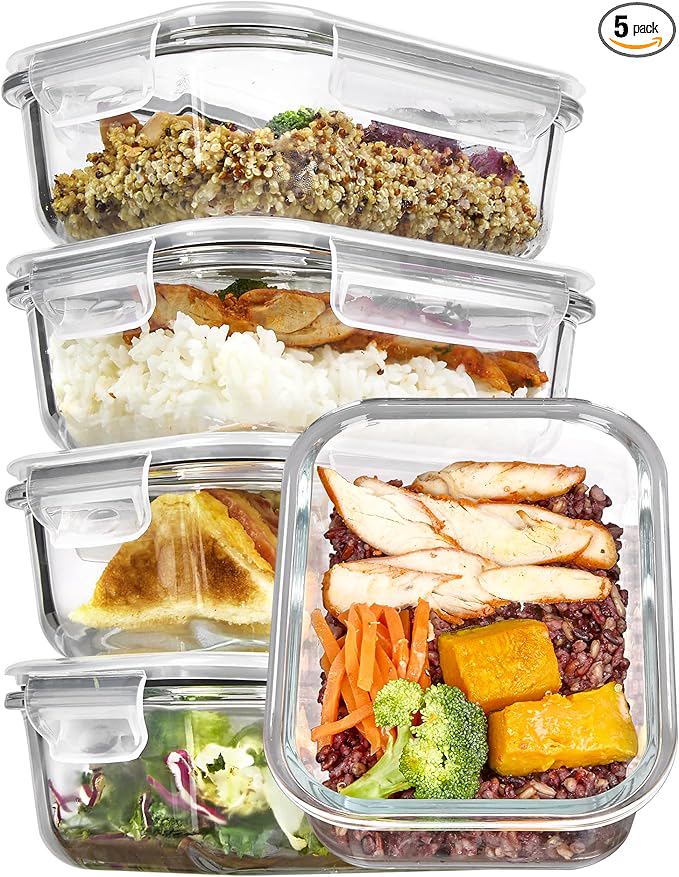
- Use airtight glass or BPA-free containers. Plastic containers can transfer odors and may not seal as tightly.
- Store dressings and crunchy toppings separately when possible. Add them only when you are ready to eat.
- Reheat gently. Microwaving on high wrings moisture out of vegetables and nuts. Use 50% power or reheat in a skillet with a splash of water.
Make-ahead meals that actually taste good
Meal prep should save you time, not force you to endure bland, sad lunches. These six one-pan recipes prioritize texture as much as flavor. They rely on ingredients that resist breakdown — sturdy greens, firm legumes, hearty grains, and roasted nuts — and on assembly methods that keep components distinct. With a little planning, you can have three days of meals that taste just as good as they did on day one.


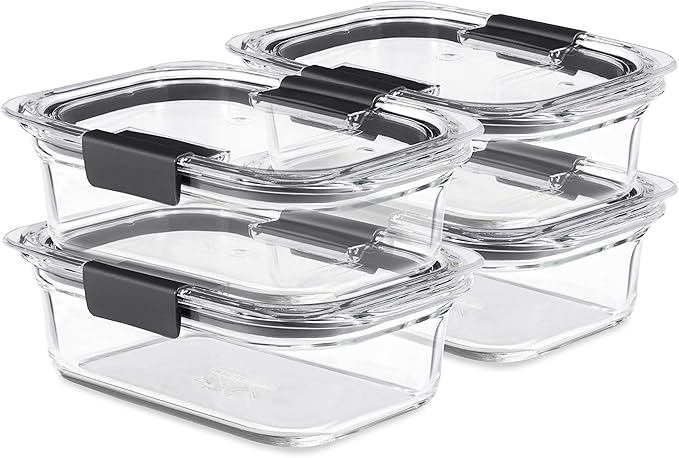

![[10-Pack] Glass Meal Prep Containers with Lids, MCIRCO Food Storage Containers with Snap Locking Lids, Airtight Lunch Containers, Microwave, Oven, Freezer and Dishwasher](https://www.glowtheorylab.com/uploads/ad202604/141a61456fdd8860.webp)