
Waking up with tight, flaky, or lackluster skin is a common frustration as we age. Morning routines often focus on cleansing and protection, but for dry, mature skin, the sequence and gentleness of those first steps can make the difference between a day of comfort and one of irritation. Rather than layering on more products, the smartest approach is to adjust your habits—the small, deliberate actions that support the skin barrier before it even meets the elements.
These six morning practices are designed to soothe existing dryness and reinforce your skin's natural defenses against environmental damage. They prioritize moisture retention and barrier stability, helping you wake up your complexion without aggravating its sensitivity.
1. Skip the foam—use a milky or oil-based cleanser
The instinct to wash off the night can be strong, but traditional foaming cleansers often strip the acid mantle of aging skin. Instead, start your day with a non-foaming, milky cleanser or a gentle oil-based balm. These formulas dissolve sebum and leftover skincare residue without disrupting the lipids that keep skin plump and resilient. Rinse with lukewarm water—hot water is a direct enemy of dry skin—and pat dry with a soft cloth. Your face should feel clean, not tight or squeaky.
2. Apply hydration to damp skin, not dry skin
This is perhaps the single most effective habit for aging skin. After cleansing, do not reach for a towel. Leave your face slightly damp, then immediately apply a hydrating serum or a thin layer of a glycerin-based toner. Humectants like glycerin, hyaluronic acid, or aloe vera pull moisture into the outer layers of the skin. If you apply them to dry skin, they may instead draw water from deeper layers, which is counterproductive. Sealing that dampness is a direct way to plump fine lines and reduce morning tightness.
3. Seal with a barrier cream before you do anything else
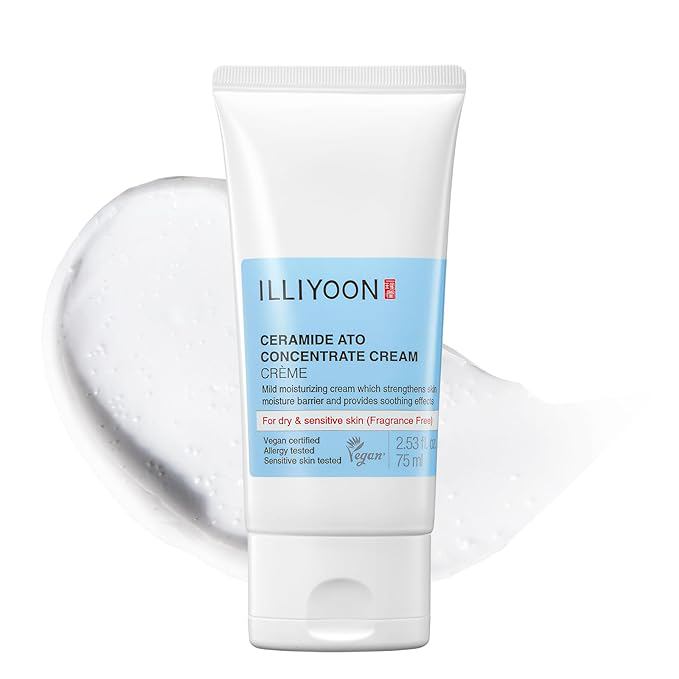
Once the humectant layer is on, you need an occlusive — something to physically hold the moisture in. For dry aging skin, a richer ceramide or shea butter-based moisturizer works better than a lightweight gel. Ceramides are structural lipids that fill the gaps between skin cells, fortifying the barrier that naturally weakens with age. Apply it generously, covering your neck and the sides of your face where crepey texture often appears. This step creates a protective seal that lasts through your morning commute or morning coffee.
4. Wait before applying sunscreen—and choose wisely
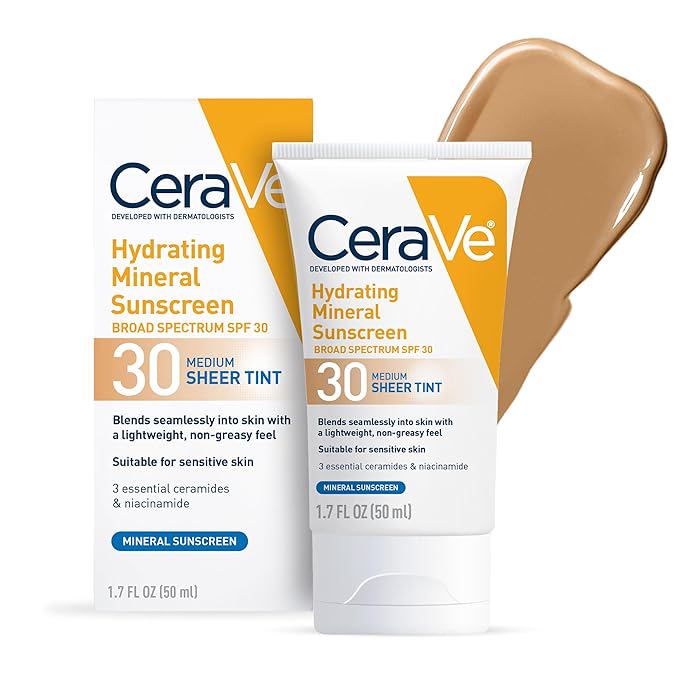
Sunscreen is non-negotiable for preventing photoaging, but friction from rubbing it into a dry layer can cause pilling and irritation. Let your moisturizer settle for at least three to five minutes. For aging skin, mineral sunscreens containing zinc oxide or titanium dioxide are often kinder than chemical alternatives, as they sit on the surface rather than absorbing into compromised skin. If you find mineral formulas too drying, look for a hybrid or a sunscreen that lists dimethicone or squalane as early ingredients—these add a silky slip without tugging on fragile skin.
A simple tip: Apply sunscreen by pressing it into the skin with your palm, rather than rubbing it back and forth. This reduces shearing force on the moisture barrier.
5. Add one antioxidant before you leave the house
Beyond sunscreen, an antioxidant is your next best defense against free radicals from UV and pollution. For dry, aging skin, a stable form of vitamin C used in the morning can brighten tone and support collagen synthesis without irritation. However, many vitamin C serums are water-like and evaporate quickly. Choose a formula in a squalane or esterified base that feels slightly creamy, and apply it after your toner but before your moisturizer. If your skin is very reactive, a vitamin C derivative such as ascorbyl glucoside is less likely to sting while still offering protective benefits.
6. Cool down your environment (and your water)
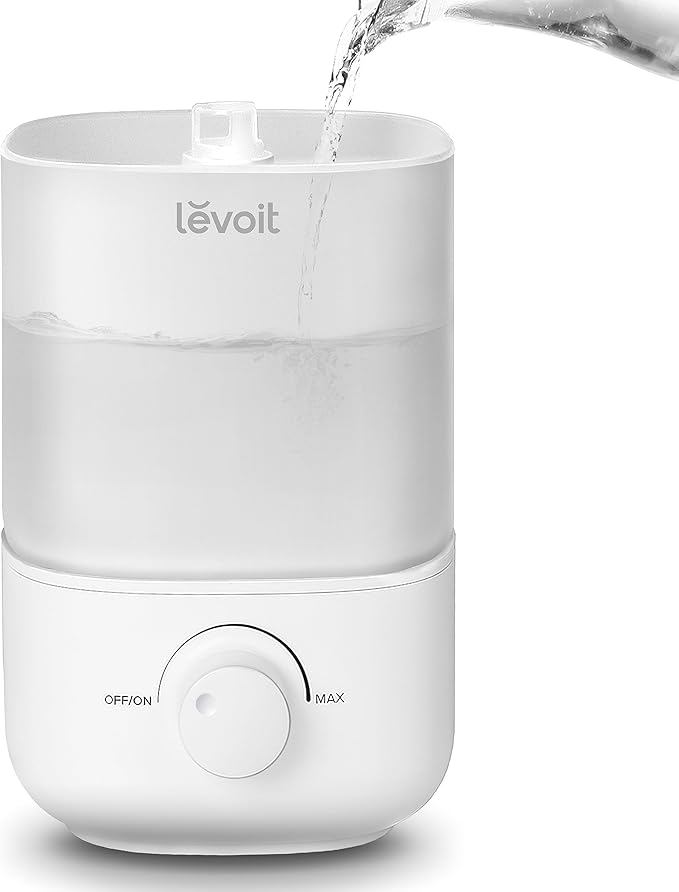
The final habit involves your surroundings. Bathing in hot water or spending your morning near a radiator depletes the skin's natural moisture. If you can tolerate it, end your shower with a brief cool rinse to tighten capillaries and reduce puffiness. Keep your bedroom and bathroom humidity above 40% if possible — a small humidifier by your bedside is a practical solution. Dry air pulls water out of the stratum corneum, so boosting ambient moisture directly supports your topical routine.
Adopting these habits does not require a cabinet full of new products. It requires adjusting the order of your actions and the temperature of your tools. When you nurture the barrier each morning, you are not just soothing current dryness — you are systematically reducing the cumulative damage that accelerates aging. The calm your skin feels by noon is proof that prevention starts with the simplest steps, repeated daily.