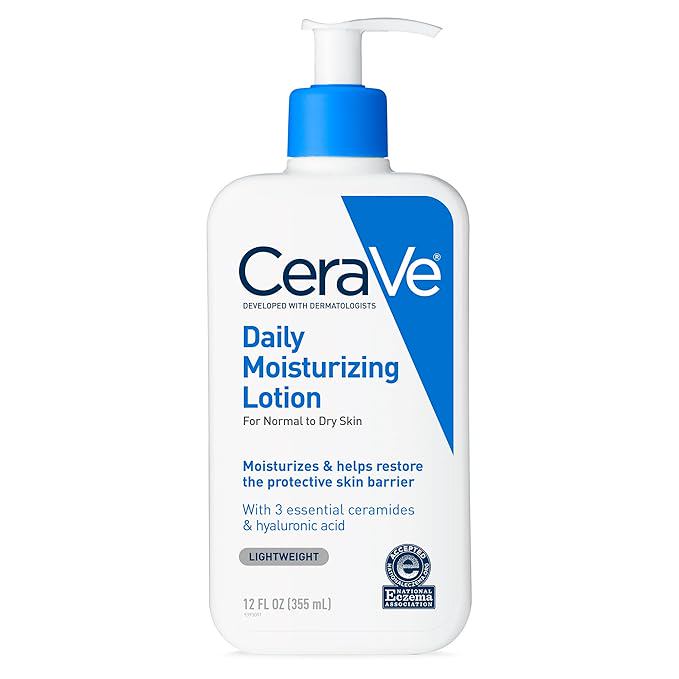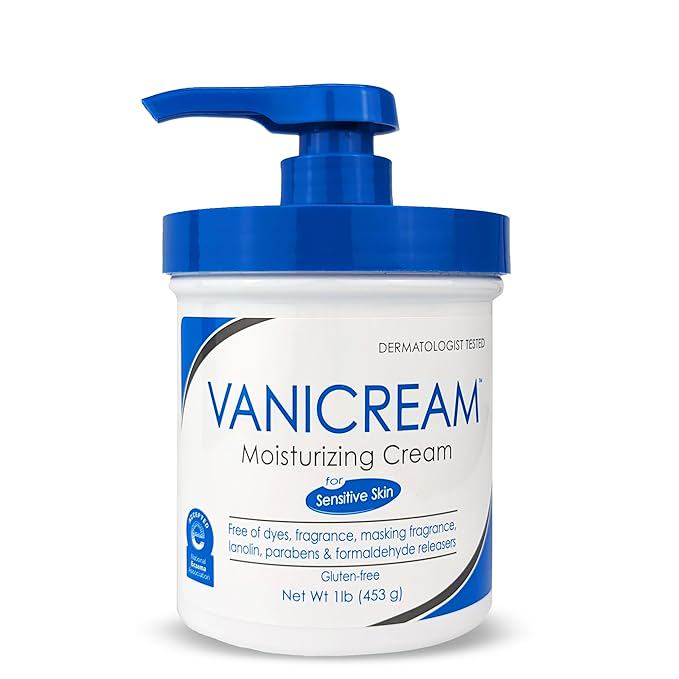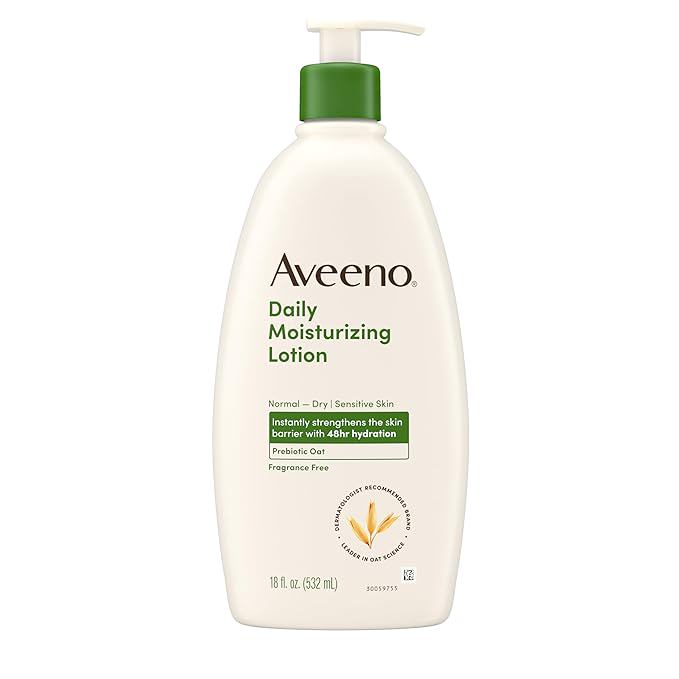

Dry, irritated skin can feel tight, flaky, and endlessly uncomfortable. While the urge to slather on any lotion in sight is strong, not all remedies are created equal. Dermatologists point to a handful of gentle, science-backed home strategies that can calm irritation without making things worse. These six approaches focus on reinforcing your skin’s natural barrier and reducing inflammation—right from your own bathroom cabinet.
1. Swap your cleanser for a colloidal oatmeal soak
Colloidal oatmeal isn't just a trendy ingredient. Finely ground oats have been used for centuries to soothe itchy, inflamed skin. When you add it to a lukewarm bath or mix it into a paste, the starches and beta-glucans form a protective film on the skin. This helps lock in moisture and calm the nerve endings that signal itch. Look for unscented colloidal oatmeal products, or simply grind plain oats into a fine powder and sprinkle it into your bathwater.
2. Use a wet wrap for stubborn dry patches
For intense flare-ups, dermatologists often recommend a simple wet-wrap technique. After applying a fragrance-free moisturizer, cover the area with a damp cotton cloth or gauze, then top it with a dry layer (like a pair of soft pajamas or a cotton sock). The moisture from the wrap helps the cream absorb deeper, while the dry layer prevents evaporation. Leave it on for a few hours or overnight. This method is especially useful for areas like hands, feet, and elbows that tend to crack and peel.
A quick caveat: wet wraps can make skin prone to infection if left on too long without a break. Stick to short sessions—no more than 8 hours—and always apply a barrier cream underneath.
3. Try a cool compress to tame inflammation
When irritation comes with redness, stinging, or heat, a cool compress can be your fastest ally. Soak a clean cloth in cool tap water, wring it out gently, and press it against the irritated skin for 10 to 15 minutes. The cooling effect constricts blood vessels, which reduces redness and swelling. This isn't a moisturizing step on its own—always follow up with a gentle, fragrance-free moisturizer to seal in the relief.
4. Apply aloe vera straight from the leaf
Aloe vera is widely praised for sunburn relief, but its anti-inflammatory properties also help soothe dry, irritated skin. Pure aloe gel—preferably straight from the plant—provides a cooling sensation and delivers polysaccharides that encourage skin repair. Bottled aloe products often contain alcohol or fragrance that can burn already irritated skin, so opt for 100% pure gel or fresh leaves. Apply a thin layer and let it absorb before adding a moisturizer.
5. Sleep with a humidifier in your bedroom
Dry air, especially during winter or in air-conditioned spaces, pulls moisture straight out of your skin. Running a humidifier in your bedroom while you sleep keeps the air from stripping your skin overnight. Aim for a humidity level between 40 and 60 percent. This isn't a spot treatment, but it's one of the most effective long-term strategies for preventing morning itchiness and flaking. Clean your humidifier regularly to avoid mold buildup, which can worsen skin and respiratory issues.
6. Use petroleum jelly as a protective seal
Simple and inexpensive, petroleum jelly is a dermatologist favorite for a reason. It’s an occlusive, meaning it forms a waterproof layer that stops moisture from escaping. For best results, apply it right after bathing—while your skin is still slightly damp—to trap water in the outer layers. It works especially well on rough spots like heels, knees, and cuticles. If the greasy feel bothers you, try a thin layer just on problem areas before bed. No fancy ingredient list needed—just plain petrolatum.
When your skin barrier is compromised, even water can sting. These six methods are designed to work gently, often in combination: a humidifier at night, an oatmeal soak after a workout, and a dab of petroleum jelly on cracked fingers. Always patch-test a small area first, and if irritation persists or worsens, it's time to check in with a board-certified dermatologist for a personalized plan.