Living with hypothyroidism often means navigating a persistent lack of energy. Even when thyroid medication keeps lab numbers in range, that deep fatigue can linger. While no food can replace your prescribed treatment, choosing the right nutrients can support your body’s natural energy production without causing further strain on your thyroid.
Instead of scanning long lists of what to avoid, let’s focus on what you can actively add to your plate. These six food categories target specific needs common in hypothyroidism: inflammation, nutrient deficiencies, stable blood sugar, and cellular energy. Each one is a practical step, not a quick fix, toward feeling steadier throughout the day.
Why your energy lags even with treatment
Before diving into the foods, it’s worth understanding the mismatch. Your thyroid gland produces hormones that control your metabolic rate. When it’s underactive, your metabolism slows. Medications like levothyroxine replace missing T4 hormone, but your body must still convert that into the active T3 form. This conversion relies on adequate levels of selenium, zinc, and iron—nutrients many people with hypothyroidism are short on.
Additionally, Hashimoto’s thyroiditis, the most common cause of hypothyroidism in iodine-sufficient regions, involves an autoimmune attack. This chronic inflammation can drain energy independently of your thyroid hormone levels. The goal, then, is twofold: supply your body with the raw materials it needs for hormone function, and choose foods that soothe rather than inflame.
1. Brazil nuts: a selenium powerhouse
If you were to pick just one nutrient for thyroid support, selenium might be it. This mineral is essential for the production of antioxidant enzymes that protect the thyroid gland, and it’s required to convert T4 into the more active T3. Low selenium levels are linked to worse fatigue and poorer thyroid function in people with Hashimoto’s.
Brazil nuts are an incredibly concentrated source. Just one or two nuts per day can meet your selenium needs without toxic excess. Keep a small jar on your desk or in your pantry for a straightforward, energy-supporting snack. The key is consistency: a handful on Monday doesn’t make up for skipping the rest of the week. Stick to two per day for a steady supply.
2. Fatty fish: omega-3s and vitamin D
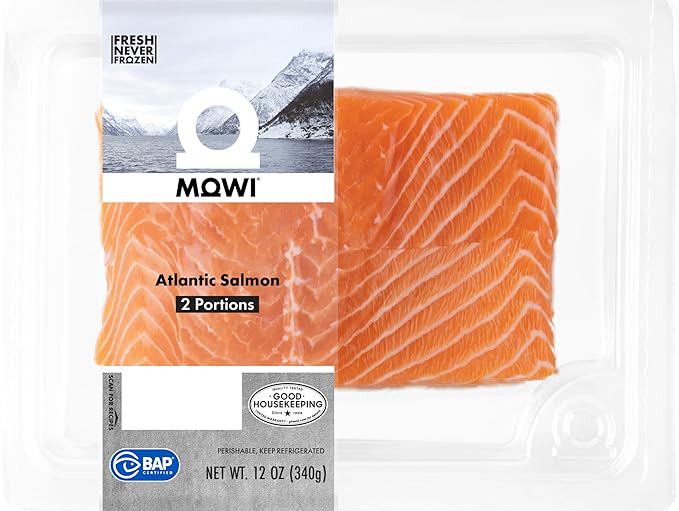
Cold-water fish like salmon, sardines, and mackerel deliver two anti-inflammatory giants: omega-3 fatty acids and vitamin D. Both are commonly low in people with autoimmune disease and are directly involved in energy metabolism.
Chronic low-grade inflammation, a hallmark of Hashimoto’s, wears on your body like a dull ache. Omega-3s from fish help lower this inflammatory burden, which can improve the way you feel day-to-day. Vitamin D supports immune regulation and has been repeatedly associated with thyroid antibody levels—lower D often correlates with higher antibodies and worse fatigue.
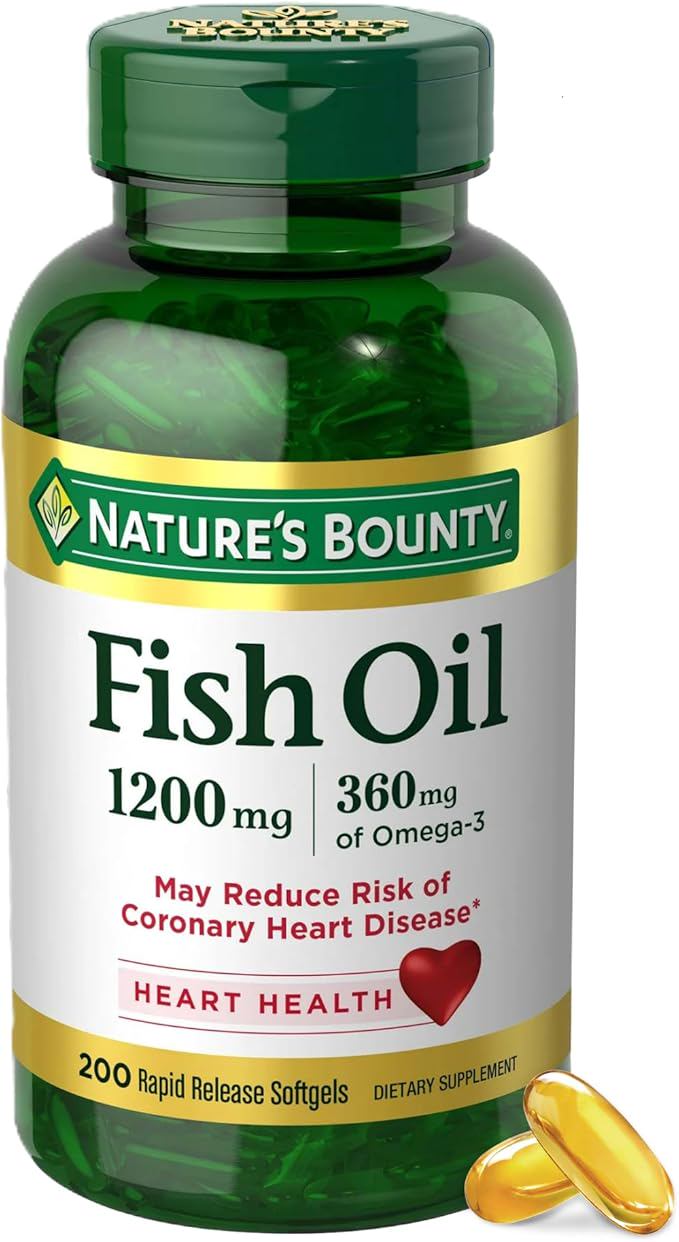
Aim for two servings of fatty fish per week. If that’s not possible due to taste or budget, a fish oil or algae-based DHA supplement is a reasonable alternative. Whole food sources are preferred because the absorption and nutrient synergy differ from supplements.
3. Lentils and beans: steady-release energy and iron
Blood sugar swings feel like a crash after a sugar high, but with hypothyroidism, the system is already slow. Lentils and beans help because they deliver complex carbohydrates that digest gradually, paired with fiber and protein. This combination prevents the rapid spikes and drops in glucose that can leave you reaching for another cup of coffee.
These legumes are also a plant-based source of non-heme iron. Iron deficiency is common in hypothyroidism, especially if heavy menstrual periods are part of the picture. Iron is critical for transporting oxygen to your tissues; without enough, your muscles and brain feel starved of energy even if your thyroid numbers look fine. Pair lentils with a squeeze of lemon (vitamin C enhances iron absorption) and avoid consuming them with tea or coffee, which can block uptake.
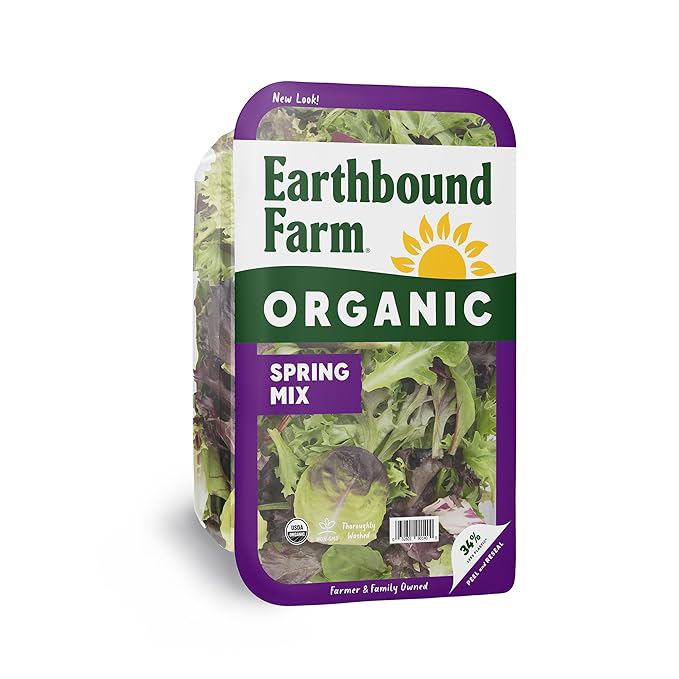
4. Dark leafy greens: magnesium and B-vitamins
Spinach, kale, Swiss chard, and collard greens are not a trendy health cliché for nothing. They are rich in magnesium, a mineral that helps your body use adenosine triphosphate (ATP), the main currency of cellular energy. If you are low on magnesium, your cells cannot produce energy efficiently.
Leafy greens also provide several B vitamins, particularly folate (B9). B vitamins act as cofactors in the metabolic pathways that turn the food you eat into usable energy. In hypothyroidism, the conversion and absorption of B vitamins can be suboptimal, so getting them from whole foods is a smart baseline strategy.
Because raw greens can be voluminous and difficult to digest for some with sluggish gut motility (common in hypothyroidism), lightly sautéing them in a bit of olive oil or adding a handful to soup or eggs can make them easier to tolerate. Cooked greens reduce oxalate content and allow you to eat more volume without discomfort.
5. Eggs: iodine, tyrosine, and high-quality protein
Thyroid hormones are made from two key ingredients: iodine and the amino acid tyrosine. Eggs provide both. The yolk is a natural, modest source of iodine, and the white is rich in tyrosine. This dual profile makes eggs one of the most complete foods for thyroid hormone synthesis.
Don’t skip the yolk. That’s where most of the micronutrients, including choline (important for nerve function and energy regulation), are concentrated. For protein absorption, eggs score high on biological value, meaning your body uses their protein very efficiently, which supports stable blood sugar and muscle maintenance. Both are relevant when you feel too tired to move much—muscle loss can quietly worsen fatigue over time.
If you have high cholesterol, current research shows that dietary cholesterol from eggs does not significantly impact blood cholesterol in most people. Eating the whole egg, in moderation (one to two per day as part of a varied diet), is considered safe for heart health.
6. Berries: antioxidants that fight oxidative load
Blueberries, strawberries, raspberries, and blackberries are low in sugar compared to other fruits and high in antioxidants called anthocyanins. The thyroid gland is highly sensitive to oxidative stress, and in autoimmune hypothyroidism, the body’s antioxidant defenses are often overwhelmed. This imbalance, known as oxidative stress, can worsen inflammation and fatigue.
Berries deliver a direct hit of compounds that reduce this oxidative load. They also contain vitamin C, which supports adrenal function and helps your body cope with physical stress. While berries won’t fix a tired thyroid overnight, including a half-cup with breakfast or as a snack can chip away at the total inflammatory burden your body carries.
A simple energy-supporting plate: grilled salmon over a bed of sautéed spinach and lentils, with a handful of berries for dessert. No strict rules, just real, whole food that works with your physiology.
Putting it together without overthinking
The temptation with hypothyroidism is to chase every lab value and supplement recommendation. Instead, try this: start your day with two Brazil nuts, eat eggs for breakfast twice a week, include lentils in one meal, add greens to another, put fish on the menu weekly, and eat berries when they’re in season. That’s enough to cover the foundational nutrients without turning food into a prescription.
If your energy still lags after consistent changes, it may be worth discussing your T4-to-T3 conversion, adrenal function, or nutrient levels with your endocrinologist or a registered dietitian who specializes in thyroid health. Food is a pillar, but not the whole foundation—medication, sleep, stress management, and gentle movement also matter.
This information is for general wellness education. Always consult your healthcare provider before making significant dietary changes or if you have specific health concerns related to your thyroid.