You’ve probably heard that the thyroid is your body’s thermostat or accelerator pedal. That small, butterfly-shaped gland in your neck controls your metabolism. When it slows down, you feel tired, cold, and foggy. The official diagnosis is hypothyroidism, and millions of adults live with it. But what actually causes the gland to fail? If you are looking for the true reasons behind an underactive thyroid, the answer is more specific than a vague “thyroid problem” — and it's rooted in the immune system, nutrition, and sometimes, medical treatment.
The autoimmune driver: Hashimoto’s thyroiditis
By far the most common cause of hypothyroidism in adults is an autoimmune condition called Hashimoto’s thyroiditis. In this case, the body’s immune system mistakenly attacks the thyroid tissue. Over time, this assault damages the gland’s ability to produce enough hormones. Why does the immune system turn on the thyroid? While there is no single smoking gun, genetics play a strong role — it often runs in families. Environmental triggers may include chronic stress, viral infections, or certain medications. Hashimoto’s is many times more common in women than in men, and it often appears between ages 30 and 50.
The process is usually slow. You might have normal thyroid function for years while antibodies slowly eat away at the gland. Blood tests for thyroid peroxidase antibodies (TPO) can reveal the condition long before symptoms start. This is why routine screening can make a difference — people may not connect gradual weight gain, lethargy, or hair thinning with thyroid trouble until fatigue becomes overwhelming.
A diagnosis of Hashimoto’s does not mean you need immediate treatment. But it does mean you need to monitor your thyroid levels regularly.
Iodine deficiency: still a global cause
Your thyroid needs iodine to make hormones T3 and T4. In areas where the soil lacks iodine — particularly parts of Africa, Southeast Asia, and Central Europe — deficiency can cause the gland to enlarge (goiter) and eventually underproduce hormone. In developed countries, iodized salt has largely prevented this problem. However, strict dietary restrictions, such as a vegan diet without iodized salt or seaweed, can lead to low iodine levels. Pregnant women have higher iodine needs, and deficiency during pregnancy can affect both mother and baby. The World Health Organization still considers iodine deficiency the leading preventable cause of brain damage and hypothyroidism worldwide, though it is less common in the United States.
When your own treatment causes hypothyroidism
Sometimes, hypothyroidism is not a natural disease but the result of medical care. Radioactive iodine therapy and surgical removal of the thyroid are standard treatments for hyperthyroidism (overactive thyroid) and thyroid cancer. In both cases, the gland is partially or completely destroyed, leaving the person dependent on synthetic thyroid hormone for the rest of their life. This is called iatrogenic hypothyroidism — caused by doctors, not by disease. It is not a failure, but an expected outcome. The goal is to remove the overactive or cancerous tissue, even if that means thyroid function is lost.
Radiation to the head and neck
People who received radiation therapy for cancers of the head, neck, or chest (like lymphoma) can develop hypothyroidism years later. The thyroid is very sensitive to radiation. If you had such treatment, your doctor should check your thyroid function annually for the rest of your life.
Pituitary or hypothalamic dysfunction: the rarer cause
In a small percentage of cases, the problem is not the thyroid gland itself but the gland that tells it what to do. The pituitary gland in the brain produces TSH (thyroid-stimulating hormone). If the pituitary is damaged — by a tumor, head injury, or surgery — it may not release enough TSH, and consequently the thyroid does not receive the signal to produce hormones. This is called central or secondary hypothyroidism. It is far less common than Hashimoto’s, but it requires a different treatment approach. In central hypothyroidism, TSH levels in the blood may be low or inappropriately normal, which can confuse a routine screening test.
Medication-induced hypothyroidism
Certain prescription medications can interfere with thyroid function. Lithium, used for bipolar disorder, can inhibit the release of thyroid hormones and cause hypothyroidism, even in people without pre-existing thyroid disease. Amiodarone, a heart rhythm medication, is rich in iodine and can cause both hyper- and hypothyroidism, depending on the person. Interferon-alpha and certain cancer immunotherapies can trigger autoimmune thyroiditis in susceptible individuals. If you take these drugs, your doctor should monitor your thyroid levels. It is important not to stop any medication on your own — but it is equally important to speak up if you develop new fatigue or sensitivity to cold.
Postpartum thyroiditis
Pregnancy puts unique stress on the thyroid. Some women develop an autoimmune inflammation of the thyroid after giving birth, known as postpartum thyroiditis. It often begins with a brief phase of hyperthyroidism (anxiety, heat intolerance) followed by hypothyroidism (fatigue, depression, difficulty losing baby weight). In many women, the condition resolves within a year, but some will go on to develop permanent hypothyroidism. If you have persistent symptoms after having a baby, a simple blood test can clarify the cause.
Can diet and lifestyle prevent it?
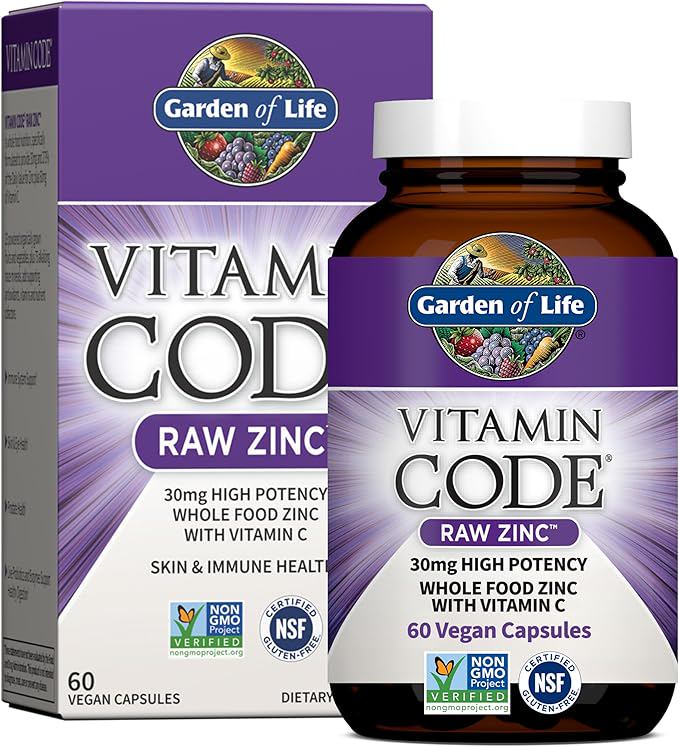
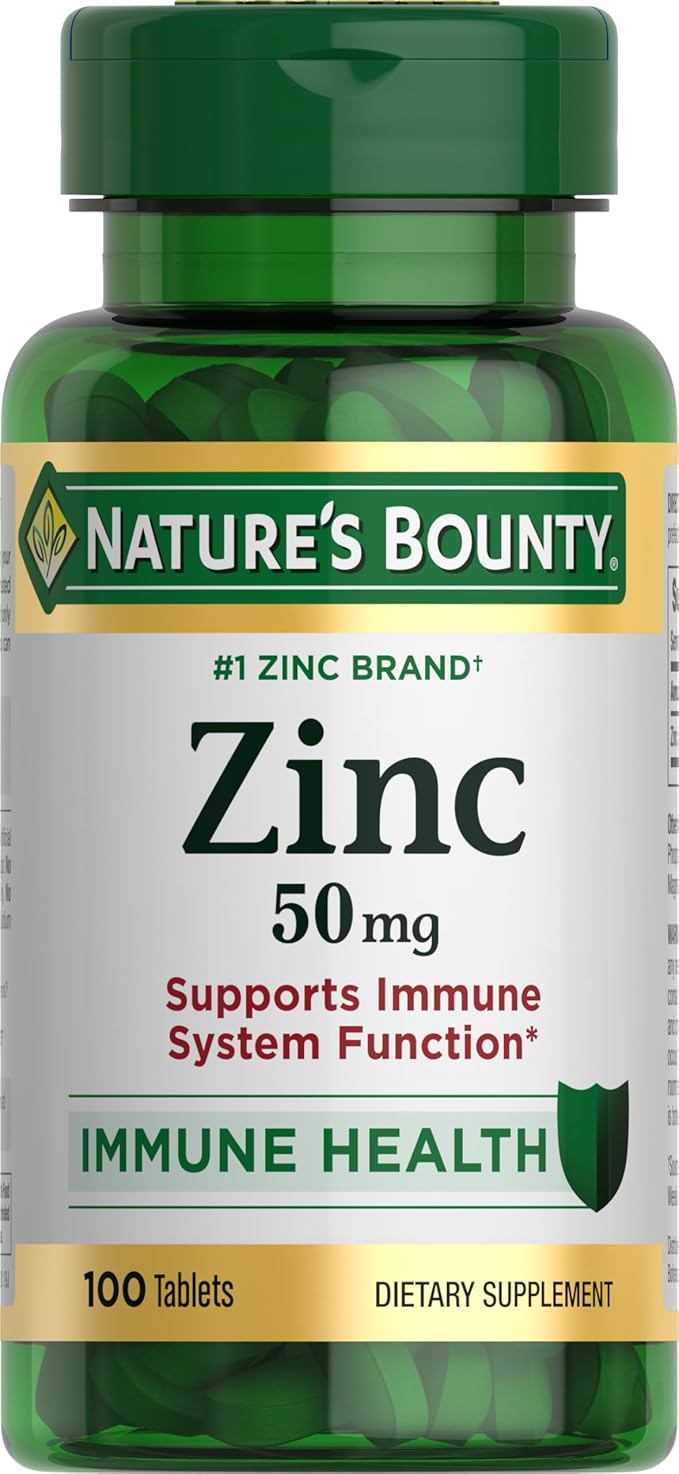
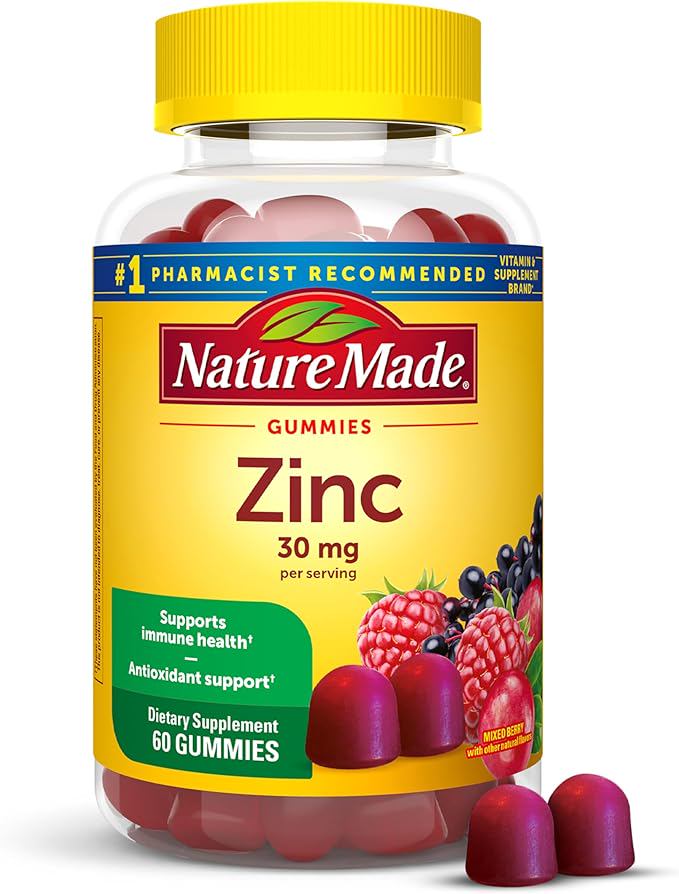
For autoimmune hypothyroidism, there is no proven prevention. However, adequate iodine intake (not excessive — too much can worsen Hashimoto’s), selenium (found in Brazil nuts and tuna), and zinc (in meat and legumes) support normal thyroid function. Gluten has been a popular topic in thyroid circles because celiac disease and Hashimoto’s often coexist. Some people with Hashimoto’s report improved symptoms on a gluten-free diet, but research is mixed. If you have autoimmune thyroiditis and digestive issues, it is worth discussing a trial elimination with your doctor. Do not self-treat with high-dose iodine supplements; that can actually trigger or worsen thyroid disease.
What about age and genetics?
Hypothyroidism becomes more common as we age. By age 60, about 10–15% of women have some degree of thyroid dysfunction. Your risk is higher if a parent or sibling has Hashimoto’s disease. Age-related changes also affect how the body produces and metabolizes thyroid hormone, though this is not a disease in itself so much as a physiological shift.
Understanding why you have hypothyroidism shapes how you manage it. Whether the cause is autoimmune, nutritional, or related to prior treatment, today’s treatment — synthetic levothyroxine — is safe, effective, and usually lifelong. The real cause matters because it tells you what to watch for, what lifestyle adjustments might help, and whether your family members should be screened.