If your thyroid feels like it’s moving in slow motion—dragging your energy, metabolism, and mood along with it—you’re not alone. Suboptimal thyroid function, often called a sluggish thyroid or subclinical hypothyroidism, is incredibly common. While medication is the cornerstone of treatment for diagnosed hypothyroidism, what you put on your plate plays a powerful supporting role.
The right foods don't cure thyroid disease, but they do provide the specific nutrients your thyroid gland needs to produce and convert its hormones efficiently. As a health editor who works closely with registered dietitians, I've looked at the research and the practical advice that actually helps. Here are eight dietitian-approved foods to include in your meal rotation to give your thyroid gentle, consistent support.
1. Brazil Nuts: The Selenium Powerhouse
Your thyroid contains the highest concentration of selenium of any organ in your body. This mineral is essential for converting the thyroid hormone T4 into its active form, T3. Without enough selenium, even if your thyroid produces hormone, your cells can't use it properly.
Brazil nuts are the most concentrated food source of selenium on the planet. Just one or two nuts per day can meet your daily requirement. Overdoing it is possible—chronic intake of more than a few daily can lead to selenosis—but used intentionally, they're a near-perfect support food.
How to eat them: Keep a small jar on your counter. Grab one or two as a snack or chop them over oatmeal or a lunchtime salad.
2. Sardines (or Wild Salmon): Vitamin D and Omega-3s
Hashimoto's thyroiditis, an autoimmune condition, is the most common cause of a sluggish thyroid in developed countries. Because it's an inflammatory condition, anti-inflammatory nutrients become especially important. Vitamin D deficiency is rampant in people with autoimmune thyroid disease, and omega-3 fatty acids help modulate the immune response.
Sardines and wild salmon deliver both in a single serving. They're also a natural source of iodine and tyrosine, the two building blocks your thyroid uses to make hormones. If you're concerned about iodine intake (especially if you have Hashimoto's), always speak with your doctor before supplementing. But whole food sources like fish are generally well-tolerated and beneficial.
How to eat them: Tinned sardines on a whole-grain cracker with lemon works. Fresh or canned salmon in a lunch bowl or dinner salad is equally effective.
3. Shellfish (Especially Oysters): Zinc for Hormone Synthesis
Zinc is another critical trace mineral for thyroid function. It supports hormone synthesis and helps regulate the TSH receptor. A deficiency can blunt your thyroid's ability to respond to TSH signals from the pituitary gland. Oysters are legendary for their zinc content, but other shellfish like mussels and crab also supply generous amounts.
The nice thing about shellfish is that they provide zinc in a bioavailable form that's easy for the body to absorb. Pairing them with a carbohydrate source (like brown rice or a sweet potato) can support stable blood sugar, which also helps thyroid function indirectly by reducing cortisol load on the body.
How to eat them: A small order of oysters on the half shell (even smoked or tinned) once a week. Canned mussels or crab meat work in pasta or grain bowls.
4. Eggs: Iodine and Tyrosine in a Convenient Package
The egg yolk is one of the only natural food sources that contain both iodine and tyrosine together. Iodine is the backbone of thyroid hormones T3 and T4; tyrosine is the amino acid scaffold to which iodine attaches. Without both, the thyroid can't synthesize its hormones in the first place.
Eggs also provide vitamin D and selenium (mostly in the yolk). The fat and protein in eggs help stabilize blood sugar, which is beneficial because low blood sugar triggers a cortisol response, and chronic cortisol elevation can suppress thyroid function.
How to eat them: A whole egg at breakfast is ideal. If you eat eggs daily, just be mindful that yolks are nutrient gold—don't toss them.
5. Sea Vegetables (Kelp or Dulse): Iodine Balance
Iodine deficiency is rare in the U.S. thanks to iodized salt, but it's still possible, especially if you eat a low-sodium or whole-foods diet without table salt. Sea vegetables like kelp, dulse, nori, and wakame are rich in iodine. That said, moderation is the key word here—some forms of kelp are extremely high in iodine and can trigger or worsen thyroid problems in susceptible people.
The safest approach is to use sea vegetables as a seasoning or occasional ingredient, not a daily supplement. A sprinkle of dulse flakes on popcorn or a bit of nori crumbled into a soup adds trace minerals and a savory umami note.
A note on caution: If you have Hashimoto's or any known thyroid condition, never take high-dose iodine supplements. Whole food sources like sea vegetables used sparingly are generally safe, but always check with your healthcare provider first.
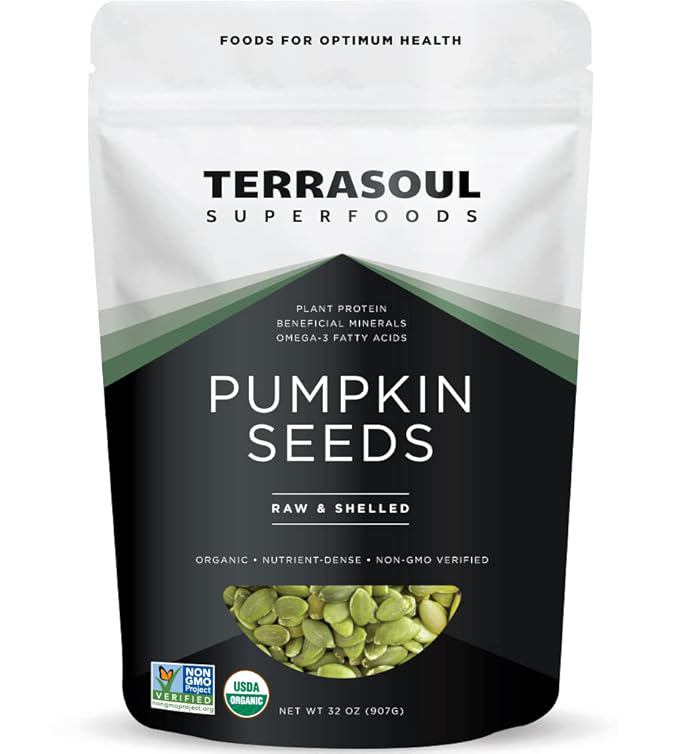
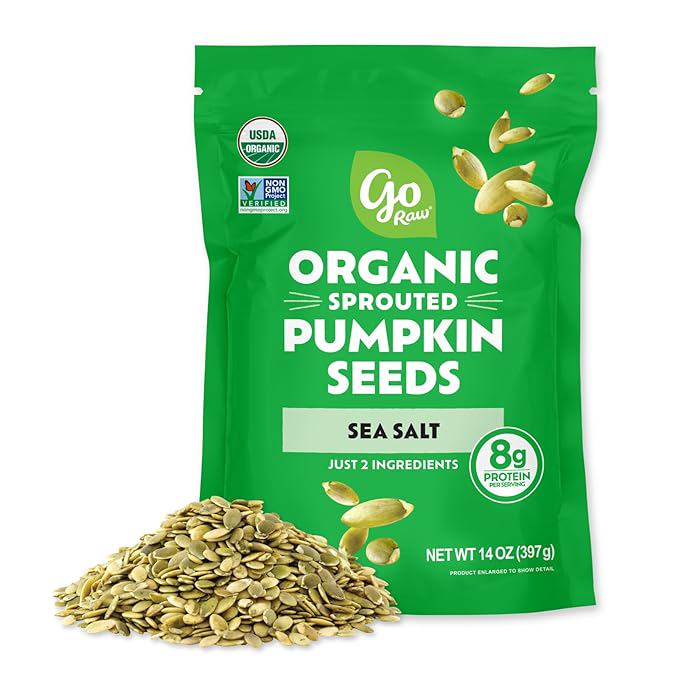
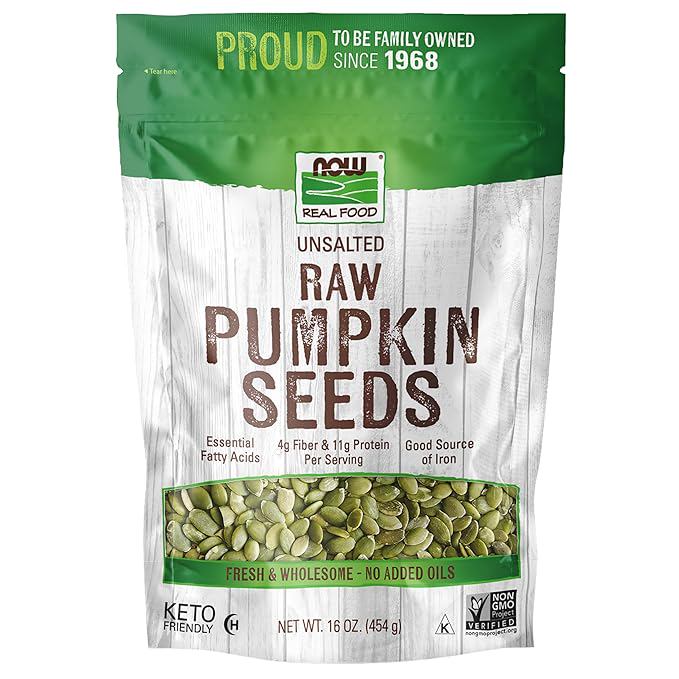
6. Pumpkin Seeds: Magnesium and Zinc
Magnesium is involved in over 300 enzymatic reactions in the body, including the conversion of T4 to T3. Many people are low in magnesium, and a sluggish thyroid can worsen that deficiency (since thyroid hormones help regulate magnesium absorption). Pumpkin seeds are one of the richest plant-based sources of both magnesium and zinc.
Their mineral density, plus healthy fats and fiber, make them a solid daily addition. They're also a convenient, portable snack that won't spike insulin.
How to eat them: A quarter-cup of raw or lightly roasted pumpkin seeds as a snack, or ground into a smoothie. Topping a salad or yogurt bowl with them works too.
7. Berries: Antioxidants to Reduce Oxidative Stress
An underactive thyroid is associated with higher levels of oxidative stress. The gland itself, as it struggles to produce hormones under chronic immune attack (in autoimmune cases), generates free radicals. Antioxidants help neutralize these, potentially reducing tissue damage and inflammation over time.
Berries—blueberries, strawberries, raspberries, blackberries—are packed with vitamin C and anthocyanins, both potent antioxidants. They also provide fiber and polyphenols that feed a healthy gut microbiome, which is increasingly recognized as a regulator of immune function and thyroid health.
How to eat them: A handful of fresh or frozen berries daily. Frozen berries are just as nutrient-dense as fresh and often more affordable. Add them to oatmeal, smoothies, or cottage cheese bowls.
8. Lentils: B Vitamins and Fiber
The B-vitamin family—especially B12, B6, and folate—is essential for thyroid hormone production and energy metabolism. While B12 deficiency is more common in people with autoimmune gastritis (often associated with Hashimoto's), getting a steady supply of B vitamins from food is wise for everyone.
Lentils are a stellar source of folate and B6, plus they deliver fiber that supports blood sugar stability and gut health. Stable blood sugar means fewer cortisol spikes, and lower cortisol means less inhibition of thyroid hormone conversion.
How to eat them: Red lentils break down into a creamy soup; green or brown lentils hold their shape for a cold grain salad or stew. Canned lentils are fine—just rinse them to reduce sodium.
Building a balanced meal plan around these whole foods is not about strict rules. It's about consistently choosing foods that provide the specific nutrients your thyroid needs to do its job. A serving of Brazil nuts, a piece of salmon, an egg, some pumpkin seeds, and a handful of berries—that's a solid day of thyroid support without a single pill.
If you suspect your thyroid is sluggish, the first step should always be a full thyroid panel (TSH, Free T4, Free T3, and antibodies) interpreted by a doctor or dietitian. No food can replace proper diagnosis and medication, but the right foods can make your medication work better and help you feel more like yourself.