You walk into a room and forget why. Your keys end up in the fridge. Words hover just out of reach during a conversation. If this sounds familiar—and you are in perimenopause or menopause—you are not imagining it, and you are not alone. That fuzzy, sluggish mental fog is one of the most common and frustrating symptoms of the menopausal transition.
The good news is that what you eat can make a meaningful difference. While no single food is a magic cure, research consistently shows that certain nutrients support brain function, reduce inflammation, and help stabilize the hormones that influence memory and focus. Here are six foods to prioritize if you want to clear the mental cobwebs.
1. Fatty Fish (Salmon, Sardines, Mackerel)
Aging brains need omega-3 fatty acids. These healthy fats, especially DHA (docosahexaenoic acid), are structural components of brain cell membranes. During menopause, declining estrogen reduces the brain's ability to utilize glucose for fuel, so your brain relies more on these fats for energy and repair.
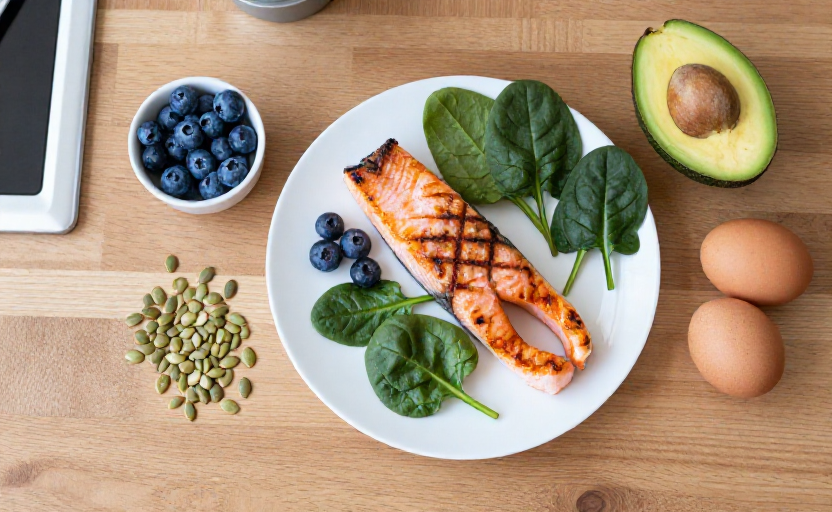
Fatty fish like salmon, sardines, and mackerel provide the most bioavailable source of DHA and EPA. Studies show that higher omega-3 levels are linked to better verbal memory and slower cognitive decline. Aim for two 3-ounce servings per week. If you don't eat fish, a high-quality algal oil supplement can offer the same DHA without the fishy taste.
A quick tip: Pair your fish with a handful of walnuts or a drizzle of flax oil — these plant-based sources of ALA can convert to DHA, though less efficiently than marine sources.
2. Leafy Greens (Spinach, Kale, Swiss Chard)
Dark leafy greens are packed with brain-protective nutrients: vitamin K, lutein, folate, and beta-carotene. The landmark Rush University Memory and Aging Project found that people who ate one to two servings of leafy greens daily had the cognitive function of someone 11 years younger than those who rarely ate them.
These greens are also rich in magnesium, a mineral many menopausal women are deficient in. Magnesium supports GABA receptors in the brain, which promote calm and reduce the anxiety that can magnify brain fog. Try sautéing a handful with olive oil and garlic, or blending a cup of spinach into a berry smoothie.
3. Avocados
Avocados are a rare fruit rich in monounsaturated fats, which support healthy blood flow to the brain. Their high potassium content also helps regulate blood pressure — high blood pressure is a known risk factor for cognitive decline.
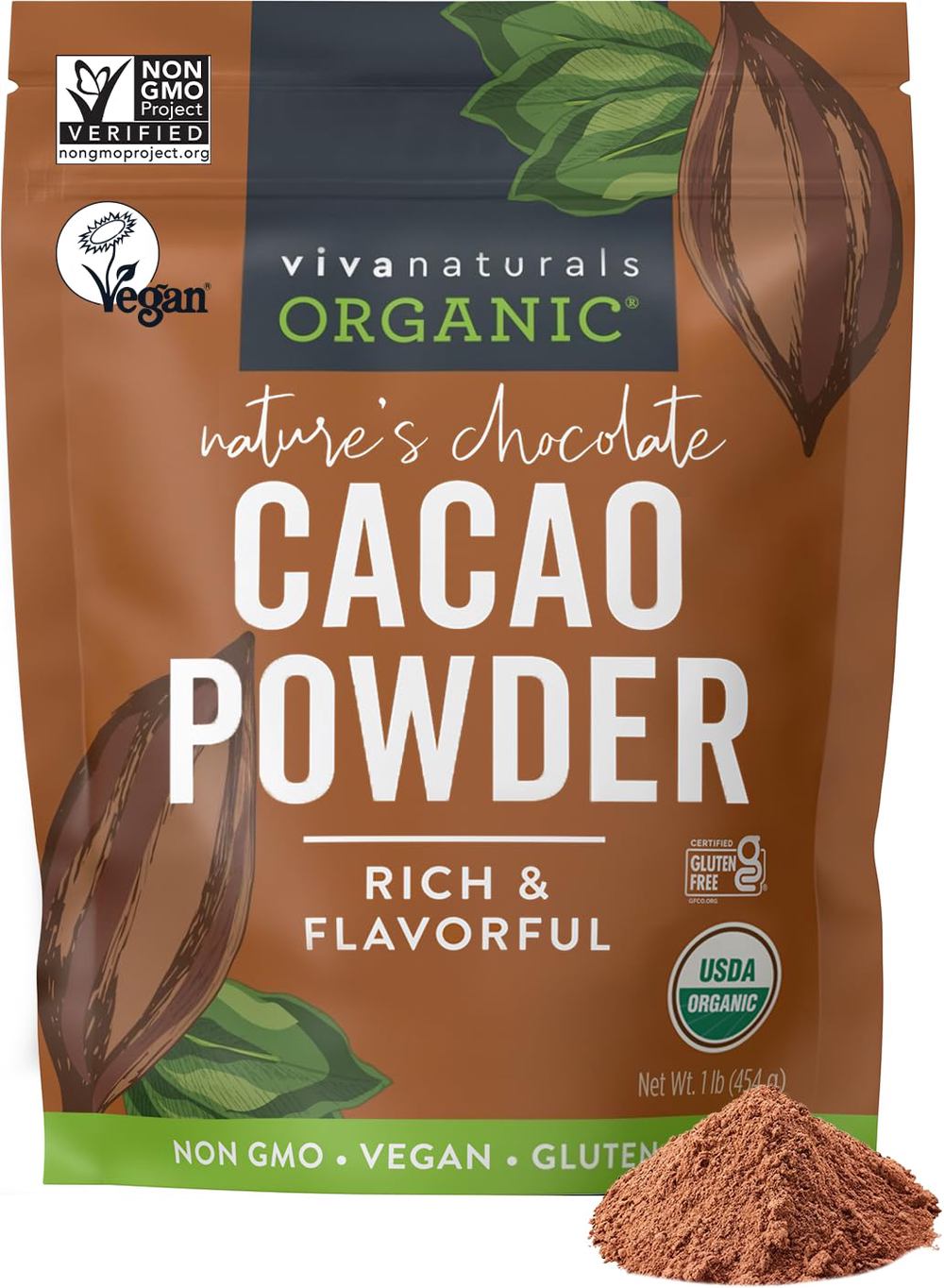
But their real value during menopause may lie in their lutein content. Lutein accumulates in the brain and has been linked to sharper memory and processing speed. One study showed that older adults with higher lutein levels had brain tissue structure similar to younger adults. Add half an avocado to your salad, mash it on whole-grain toast, or blend it into a pudding with cocoa powder (another brain-friendly ingredient).
4. Blueberries (and Other Dark Berries)
Berries are a standout source of flavonoids, especially anthocyanins, which give berries their deep blue, purple, or red color. These compounds cross the blood-brain barrier and collect in areas linked to learning and memory, such as the hippocampus.
Clinical trials show that daily blueberry consumption improves memory performance and delays short-term cognitive decline in older adults. For menopause brain fog, frozen wild blueberries are just as potent as fresh—and more affordable. Stir them into oatmeal, yogurt, or a simple seltzer drink for an antioxidant boost without added sugar.
5. Eggs (Especially the Yolks)
Eggs provide choline, an essential nutrient that your body uses to produce acetylcholine, a neurotransmitter that regulates memory and mood. Egg yolks are one of the most concentrated food sources of choline. Many women don't get enough choline from their diets, and it becomes even more critical during menopause when estrogen levels drop (estrogen helps the brain make acetylcholine).
The yolks also contain lutein and zeaxanthin, which protect the brain from oxidative stress. One large egg provides about 147 mg of choline. The adequate intake for women is 425 mg per day, so two eggs cover roughly two-thirds of your daily need. Keep the yolks — that is where the brain benefits live.
6. Pumpkin Seeds
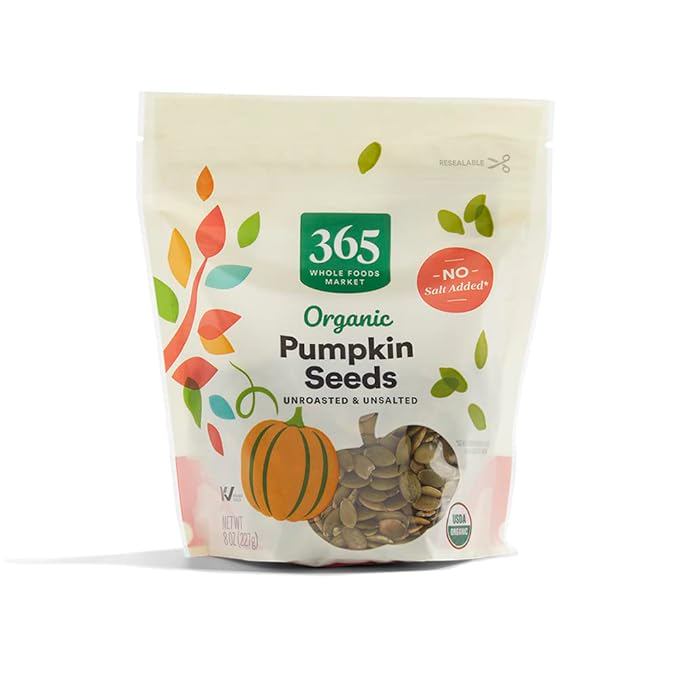
Pumpkin seeds are a concentrated source of zinc, iron, magnesium, and copper. Zinc is especially important for nerve signaling and memory formation. Research indicates that zinc deficiency impairs cognitive function and is common in older adults and menopausal women.
Iron is equally relevant: heavy menstrual bleeding during perimenopause can lead to iron-deficiency anemia, which directly causes fatigue and brain fog. A handful of pumpkin seeds (about a quarter cup) provides nearly 20 percent of your daily zinc and iron needs. Eat them raw or lightly roasted, on salads, or in a trail mix with walnuts and unsweetened dried coconut.
Building a brain-supporting plate doesn't require perfection. Start by swapping one processed snack for a handful of pumpkin seeds or adding a cup of spinach to your lunch. Consistent small changes are more effective than a short-term overhaul. And always pair these foods with good sleep, hydration, and stress management — the three other pillars that help menopause brain fog lift.