We often think of our skin as a separate entity, something to be treated topically with creams and serums. But the reality is far more connected. Your skin is your body’s largest organ, and what you feed your body directly influences its health, resilience, and appearance. While no single food is a magic eraser, building a consistent diet rich in specific nutrients provides the fundamental building blocks for skin that looks and feels smoother, more supple, and resilient against fine lines.
This approach isn't about restrictive eating or chasing fads. It's about understanding how everyday foods, packed with antioxidants, healthy fats, and vital proteins, support your skin's natural functions from the inside out. Think of it as foundational skincare—the kind that works 24/7, long after you've washed off your evening routine.
How Does Food Actually Affect Wrinkles and Skin Texture?
To understand why certain foods are so powerful, it helps to know what your skin is up against. Two primary processes accelerate visible aging: oxidative stress and the breakdown of collagen and elastin.
Oxidative stress occurs when unstable molecules called free radicals outnumber your body's antioxidants. These free radicals damage skin cells, contributing to dullness, uneven texture, and loss of elasticity. They're generated by UV exposure, pollution, and even normal metabolism.
Meanwhile, collagen and elastin are the structural proteins that keep skin plump and firm. As we age, our natural production slows, and existing fibers can be degraded by enzymes and sun exposure, leading to wrinkles and sagging.
The right foods combat these processes directly. They provide antioxidants to neutralize free radicals, nutrients that support collagen production, and healthy fats that maintain your skin's vital lipid barrier, keeping it hydrated and smooth.
Foods to Focus On for Smoother Skin
Incorporating these foods into your regular meals creates a synergistic effect, offering a broad spectrum of skin-supportive compounds.
Fatty Fish (Salmon, Mackerel, Sardines)
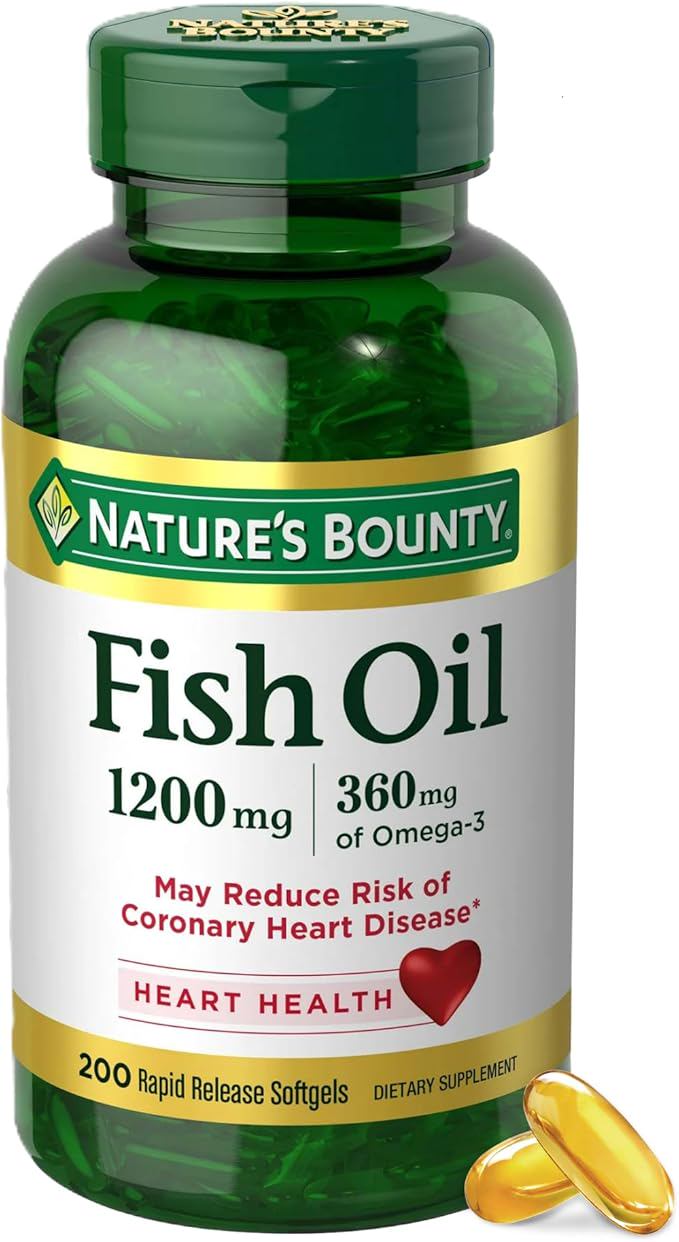
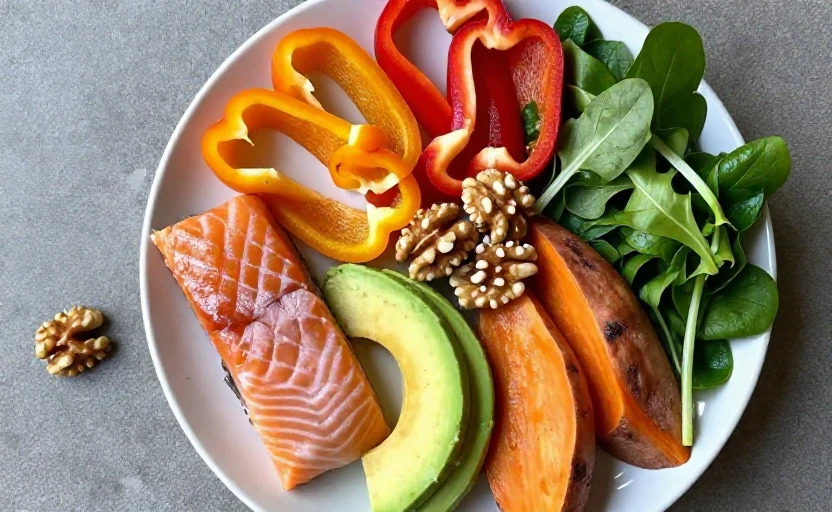
Fatty fish are a premier source of omega-3 fatty acids, specifically EPA and DHA. These are essential fats your body cannot make on its own. They play a critical role in maintaining your skin's lipid barrier, which helps lock in moisture. Well-hydrated skin appears plumper, smoother, and has fewer fine lines. Omega-3s are also powerfully anti-inflammatory, which can help calm skin conditions like redness and sensitivity that detract from a smooth complexion.
Think of omega-3s as internal moisturizers and peacekeepers for your skin cells.
Colorful Bell Peppers (Especially Red and Yellow)
These vibrant vegetables are exceptionally high in vitamin C, a nutrient crucial for collagen synthesis. Vitamin C acts as a co-factor, meaning it's essential for the enzymes that build and stabilize collagen fibers. It's also a potent antioxidant that protects existing collagen from free radical damage. Just one cup of chopped red bell pepper provides well over 100% of your daily vitamin C needs, making it one of the most efficient dietary sources.
Avocados
Avocados deliver a powerful combination of healthy monounsaturated fats and vitamin E. The fats support skin elasticity and moisture retention, while vitamin E is a key antioxidant that works in tandem with vitamin C. Vitamin E helps protect skin cells from oxidative damage, particularly from UV light. The fat in avocados also helps your body absorb other fat-soluble antioxidants from your meals, maximizing the benefit of your entire plate.
Walnuts
Among nuts, walnuts offer a unique profile. They contain a good balance of essential fatty acids, including some omega-3s in the form of ALA. They're also a source of zinc, a mineral vital for skin cell renewal and wound healing, and selenium, another antioxidant that helps protect skin integrity. A small handful as a snack can contribute meaningful nutrients for skin health.
Sweet Potatoes
The rich orange color of sweet potatoes comes from beta-carotene, a provitamin A carotenoid. Your body converts beta-carotene into vitamin A, which is fundamental for skin cell growth and turnover. It also acts as a natural sunblock of sorts; once consumed, it's incorporated into your skin and can help protect against UV-induced cell damage, a primary driver of wrinkles. Other orange foods like carrots, mango, and cantaloupe offer similar benefits.
Leafy Greens (Spinach, Kale, Swiss Chard)
Dark leafy greens are nutrient powerhouses for skin. They are loaded with antioxidants like vitamins C and E, as well as lutein. Lutein helps protect your skin from oxidative stress and blue light. Perhaps most importantly, they are a top source of vitamin K and folate, which support overall cell health and repair. The water content in these greens also contributes to hydration.
Building a Skin-Supportive Eating Pattern
The goal isn't to eat these six foods in isolation, but to weave them into a consistent, colorful diet. A plate that regularly features a variety of vegetables, healthy fats, and lean proteins provides a steady stream of the compounds your skin needs to thrive.
Consider these simple ideas:
- Add a handful of spinach or kale to your morning smoothie.
- Top a lunch salad with walnuts and avocado slices.
- Enjoy salmon or sardines as your protein source 2-3 times per week.
- Snack on bell pepper strips with hummus or a small serving of sweet potato.
Hydration is the other essential pillar. Water supports every function in your body, including the delivery of nutrients to skin cells and the flushing of toxins. Herbal teas and water-rich foods like cucumbers and berries also contribute to your daily fluid intake.
A Balanced Perspective on Diet and Aging
It's important to approach this with a sense of balance. No diet can stop the natural, beautiful process of aging, nor should it aim to. Genetics, sun protection, stress management, and sleep play enormous roles. Think of nourishing foods as one vital part of a holistic approach to well-being—one that supports your skin's health and your overall vitality.
Foods high in refined sugars and heavily processed carbohydrates may have the opposite effect, potentially triggering inflammation and glycation, a process where sugar molecules damage collagen and elastin fibers. A diet focused on whole, nutrient-dense foods naturally limits these elements.
By consistently choosing foods that are rich in antioxidants, healthy fats, and vitamins, you're providing your skin with the resources it needs to repair, protect, and renew itself. The result over time is a complexion that reflects that care from the inside: smoother, more radiant, and resilient.