
Changes in neck skin are often one of the first signs we notice, but the neck is frequently neglected in daily skincare routines. While topical creams and treatments can help, the structural support of your skin begins from within. Collagen, the protein responsible for the skin’s firmness and elasticity, relies on specific nutrients for its production and maintenance.
Research in nutrition and dermatology shows that certain foods can support the dermal matrix, helping to slow the visible signs of laxity and creping along the jawline and décolletage. These six food categories are backed by science for their role in skin firmness, hydration, and resilience.
Vitamin C–Rich Citrus and Berries
Vitamin C is a non-negotiable cofactor for collagen synthesis. Without adequate levels, the body cannot properly form the cross-linked collagen fibers that give skin its tensile strength. A 2019 review in Nutrients highlighted that vitamin C not only stimulates collagen production but also protects existing collagen from UV-induced degradation.
Foods like oranges, grapefruits, strawberries, and kiwis are concentrated sources. Aim for whole fruit over juice to get the fiber and lower sugar load. A single medium orange provides about 70 mg of vitamin C, which is close to the daily recommended intake for adult women.
High-Quality Protein for Amino Acid Supply
Collagen is made of amino acids—primarily glycine, proline, and hydroxyproline. Your body needs a steady supply of these building blocks from dietary protein. Skin-specific benefits have been observed with consistent intake of animal-based proteins such as chicken, fish, eggs, and bone broth.
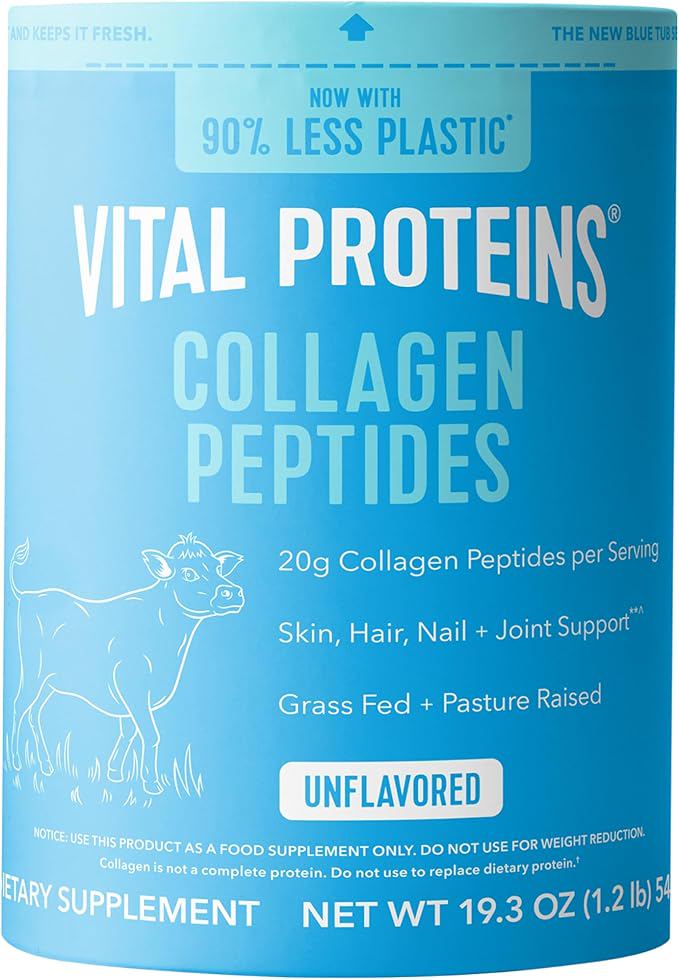
A 2023 meta-analysis in the Journal of Cosmetic Dermatology found that oral collagen peptides (hydrolyzed collagen) improved skin elasticity and hydration, especially when paired with vitamin C. While supplements are available, whole food sources like chicken skin, fish skin, and slow-cooked bone broth naturally provide these amino acids in a food matrix.
Tip: Pairing protein sources with a squeeze of lemon or a side of berries can enhance absorption and utilization of collagen-supporting nutrients.
Copper-Rich Nuts and Seeds
Copper is a trace mineral essential for the cross-linking of collagen and elastin fibers. Elastin is what allows skin to snap back after stretching, and its degradation contributes to the sagging and loss of recoil seen in aging neck skin.
In a 2021 study published in Biological Trace Element Research, copper deficiency was linked to reduced collagen integrity in connective tissues. Rich sources include sesame seeds, cashews, sunflower seeds, and dark leafy greens like spinach. A quarter-cup of cashews delivers roughly 30 percent of your daily copper needs.
Omega-3 Fatty Acids from Fatty Fish
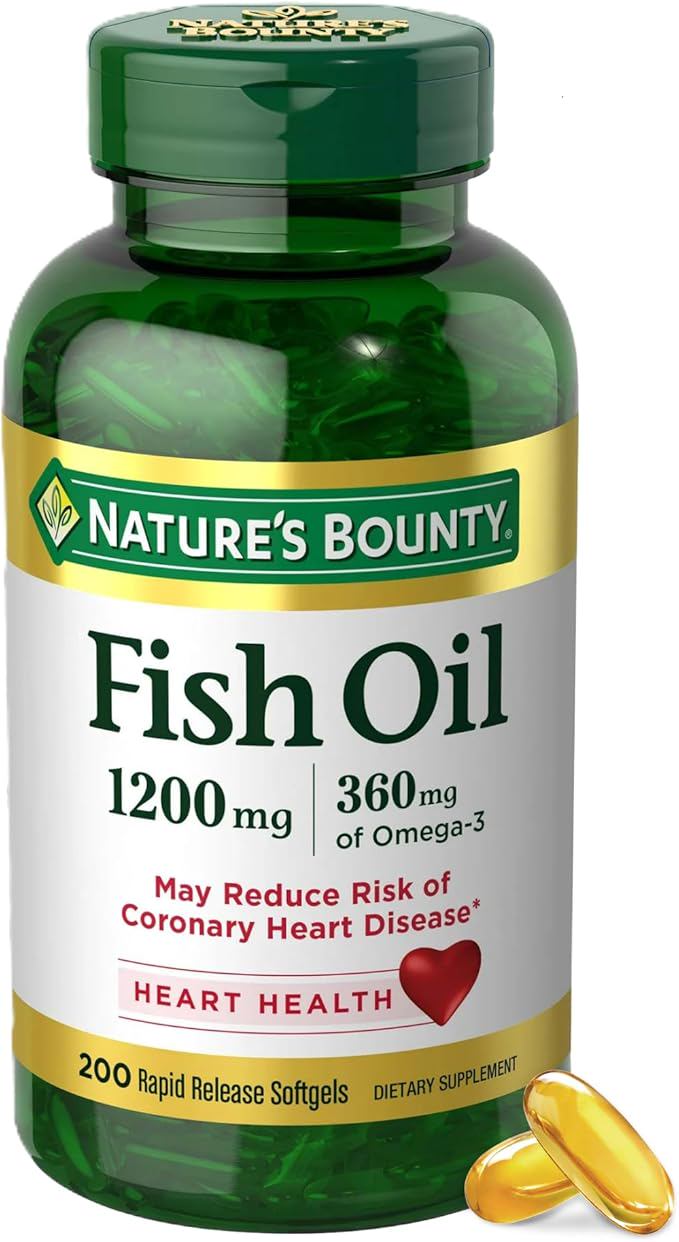
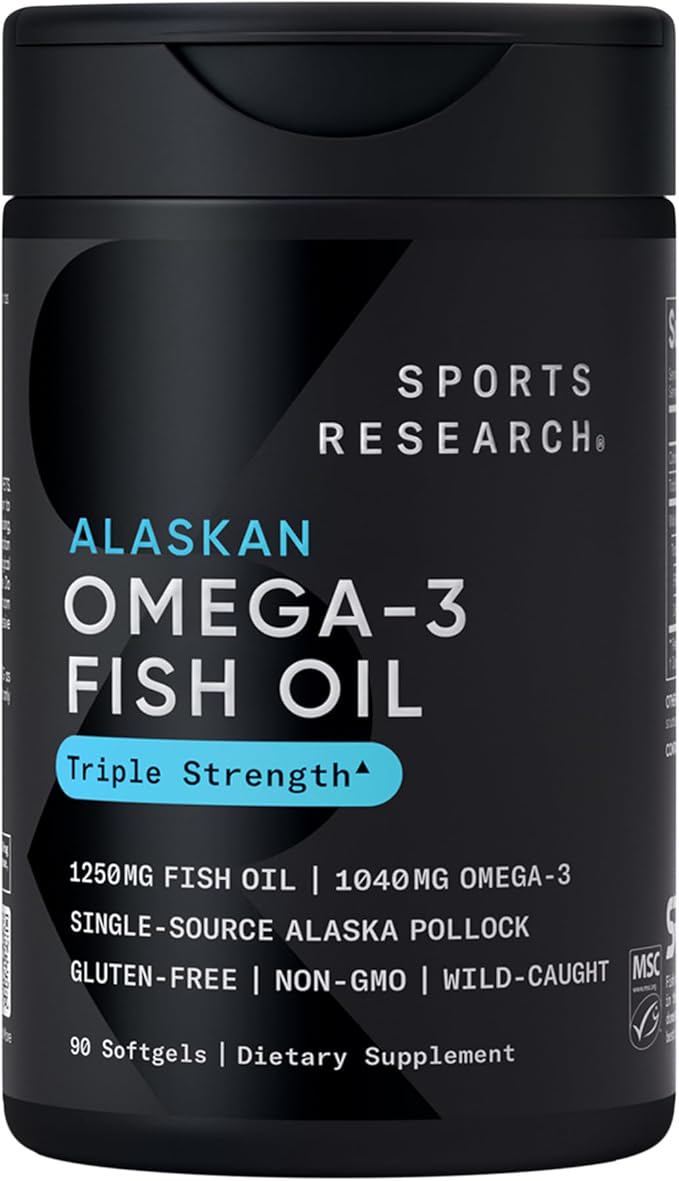
Inflammation accelerates the breakdown of collagen and elastin through matrix metalloproteinases (MMPs). Omega-3 fatty acids, particularly EPA and DHA found in cold-water fish, help downregulate these inflammatory enzymes.
Research in Marine Drugs (2020) showed that omega-3s also support the lipid barrier of the skin, improving hydration. Well-hydrated skin appears smoother and less prone to the fine lines that develop on the neck. Salmon, mackerel, sardines, and anchovies are top choices. Plant-based sources like flaxseeds and walnuts contain ALA, which the body converts to EPA/DHA only in very small amounts, so fatty fish remains the most direct source.
Lycopene-Rich Tomatoes and Watermelon
Lycopene is a carotenoid antioxidant that protects skin from photoaging. The neck and chest are often exposed to cumulative sun damage, which breaks down collagen over time. Lycopene helps neutralize free radicals generated by UV exposure.
In a 2017 study in the Journal of Dermatological Science, participants who consumed tomato paste daily showed measurable protection against UV-induced skin damage after 12 weeks. Watermelon is another excellent source, and like tomatoes, its lycopene is more bioavailable when cooked or eaten with a small amount of fat. A drizzle of olive oil over roasted tomatoes can enhance absorption.
Polyphenol-Rich Green Tea
Catechins, the polyphenols in green tea, have been extensively studied for their photoprotective and anti-aging effects. Epigallocatechin-3-gallate (EGCG) is particularly potent at inhibiting collagenase, the enzyme that breaks down collagen.
A 2022 review in Antioxidants noted that green tea consumption is associated with reduced wrinkle formation and improved skin elasticity. For neck skin, the anti-inflammatory effect of catechins may also help reduce puffiness and support lymphatic drainage. Two to three cups of brewed green tea per day, without milk (which can bind the catechins), is a simple, research-supported habit.
Incorporating these foods into a balanced diet is not a quick fix, but consistent intake over weeks and months supports the skin's structural integrity from the inside. For best results, combine these dietary choices with daily sunscreen application on the neck, adequate hydration, and gentle skincare practices. If you have underlying medical conditions or are considering collagen supplements, consulting a registered dietitian or dermatologist is a prudent step.